EU MDR & IVDR Clinical Evidence
Clinical
Evaluation
Reports
The document that carries your CE mark
The document that carries your CE mark
Free proposal · three minutes
Get your free clinical evaluation report proposal
No sales call. No account. No obligation.
Start my free proposalUnder EU MDR 2017/745, the Clinical Evaluation Report is the document that carries your CE mark. It must prove, from systematically gathered clinical evidence, that your device's benefits outweigh its risks against the current state of the art. The bar rose sharply from the MDD era, and a report that reads like a narrative instead of a proof is a report the assessor sends back. We plan, author, and defend clinical evaluations that pass notified body review the first time, so a documentation finding never becomes the thing standing between your device and the European market.

Literature, clinical data, and a benefit-risk conclusion a notified body accepts the first time.
The regulation did not just add paperwork. It changed what “sufficient clinical evidence” means, and every legacy device is now measured against the new standard, not the one it was certified under.

A reproducible, systematic literature search a notified body can rerun, benchmarked to the current state of the art.
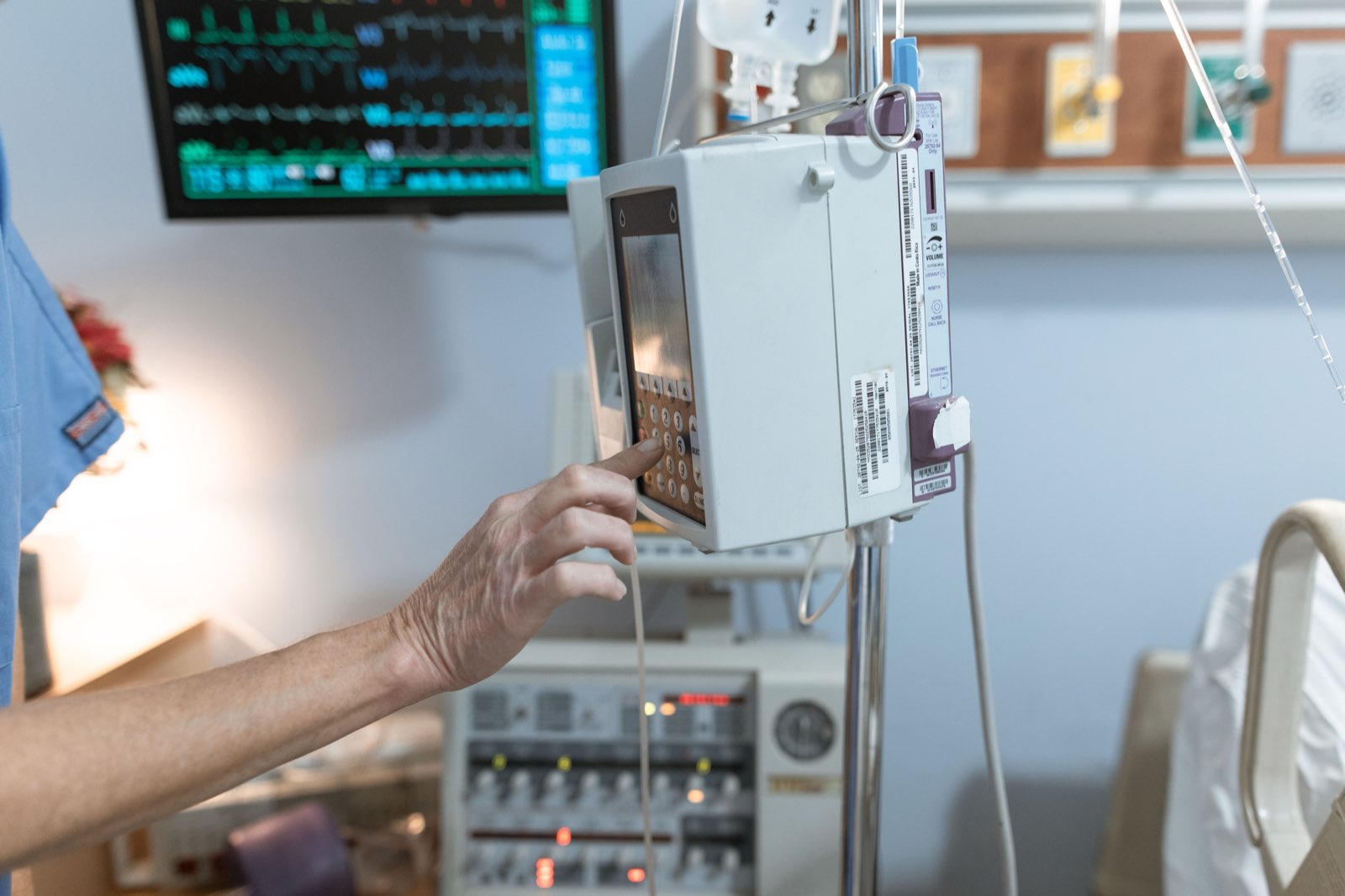
The CER is not a deliverable you file and forget. It runs on a cycle: plan the evidence, gather it, appraise it, conclude on benefit-risk, then feed real-world data back in and begin again.

Post-market data flows back into the evaluation, so recertification is routine, not a scramble.
Fix the scope, the evidence you will gather, and the standard you hold it to, so the report writes toward a conclusion.
A search a notified body can rerun and an appraisal it cannot fault, the step where most CERs quietly fail.
Every source graded on the same criteria, applied consistently, with the weak data marked as weak.
A conclusion that follows from the data presented, against the state of the art, with nothing in the file contradicting it — for certain Class III and IIb devices, one an independent expert panel may review before certification.
Post-market clinical follow-up fills the gaps the CER identified and feeds the next revision.
The fastest way to sink a CER is to build it on an equivalence claim that does not survive scrutiny. Under the MDR, equivalence is not one judgment but three, and a gap in any single one collapses the whole claim.
Same design, conditions of use, specifications, and principles of operation, close enough that the differences do not affect safety or performance.
The same materials in contact with the same tissues or body fluids, so the biological response can be assumed to match.
The same condition, purpose, site, population, and performance, used under the same clinical circumstances.
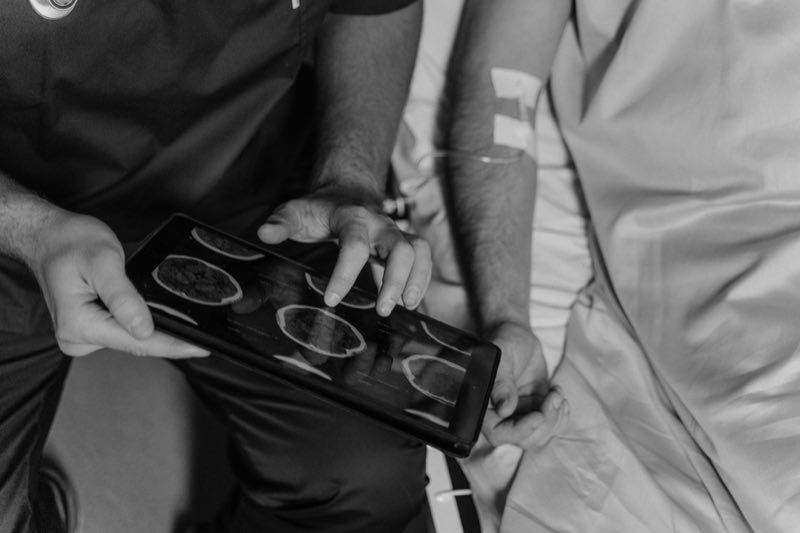

Rejections rarely turn on the device. They turn on the report: gaps in method and consistency an assessor is trained to find on the very first read.

An assessor knows exactly where a CER's seams are. We close them before the file is submitted.
A literature search the assessor cannot rerun to the same result, the single most common deficiency.
Grading criteria applied loosely, with favourable papers quietly weighted over inconvenient ones.
A claim missing one of the three characteristics, or without real access to the predicate's data — why that access bar is narrower than it looks.
Benefit-risk argued in isolation, not against what current alternatives already achieve.
A benefit-risk conclusion the evidence actually in the file does not support.
A post-market plan that does not address the specific evidence gaps the CER itself identified.
Under IVDR 2017/746, in vitro diagnostics need a Performance Evaluation Report built on three pillars: scientific validity, analytical performance, and clinical performance. The same rigour as a CER, a different structure, and a notified body scope that now reaches most assays for the first time.
Devices certified under the old MDD face a harder question at recertification: is the existing clinical evidence still sufficient under MDCG 2020-6, or has the state of the art moved past it? We answer that before the notified body does, and rebuild the evidence where it falls short.
A CER is won by anticipating the questions before they are asked. Your leads are senior clinical evaluators, medical writers, and former notified body reviewers who have authored clinical evaluations across device classes and defended them through review.
We review our own drafts the way a notified body will, and close the seams before the file is ever submitted.
Reproducible searches and consistent appraisal, documented so the method itself is never the finding.
Implantable, surgical, software as a medical device, and IVDs, each with its own evidence expectations.
CERs wired to your PMCF and PMS, so the next revision is an update, not a rebuild from scratch.
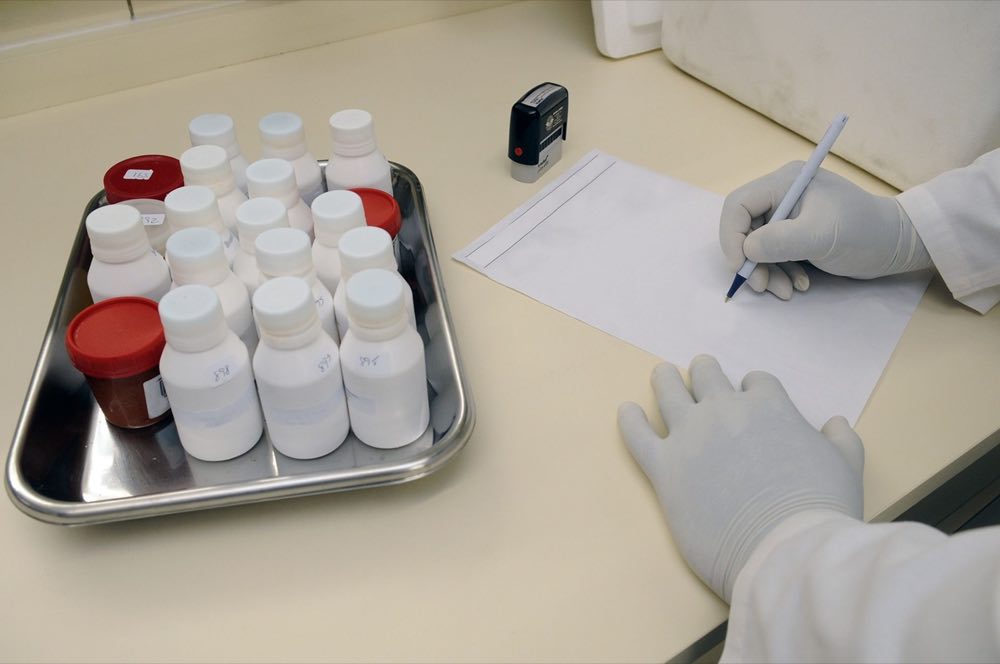
Clinical evaluation is one piece of the European device dossier. These are the services it connects to most.
The full CE-marking program the CER lives inside: classification, technical documentation, and notified body strategy.
Explore MDR & IVDR →How the device dossier fits the wider European route to market, across the EU, the UK, and Switzerland.
Explore Europe →The systematic-review and scientific-writing discipline a defensible CER is built on.
Explore Writing →From the newsroom
Regulatory News is our independent newsroom — every story sourced to the primary record, published the day it lands. These are the beats that touch this page. RegulatoryNews.com →
Tell us where the device stands: first CE mark, MDR transition, scheduled update, or an open deficiency letter. We'll match you with a senior clinical evaluation lead and respond within one business day. All inquiries are strictly confidential.