Drug-Device & Biologic-Device Products
Combination
Products
One product, two sets of rules
One product, two sets of rules
Free proposal · three minutes
Get your free combination product proposal
No sales call. No account. No obligation.
Which markets matter in the next 18 months?
A drug-device or biologic-device combination sits astride two entire regulatory frameworks at once, and one early decision governs everything downstream: the primary mode of action determines which FDA center leads your review, which application you file, and which quality system you build. Get the classification or jurisdiction wrong and you rework years of development. We help sponsors settle the determination early, engage the Office of Combination Products with a defensible position, and build a program that satisfies drug, biologic, and device expectations without doing everything twice.
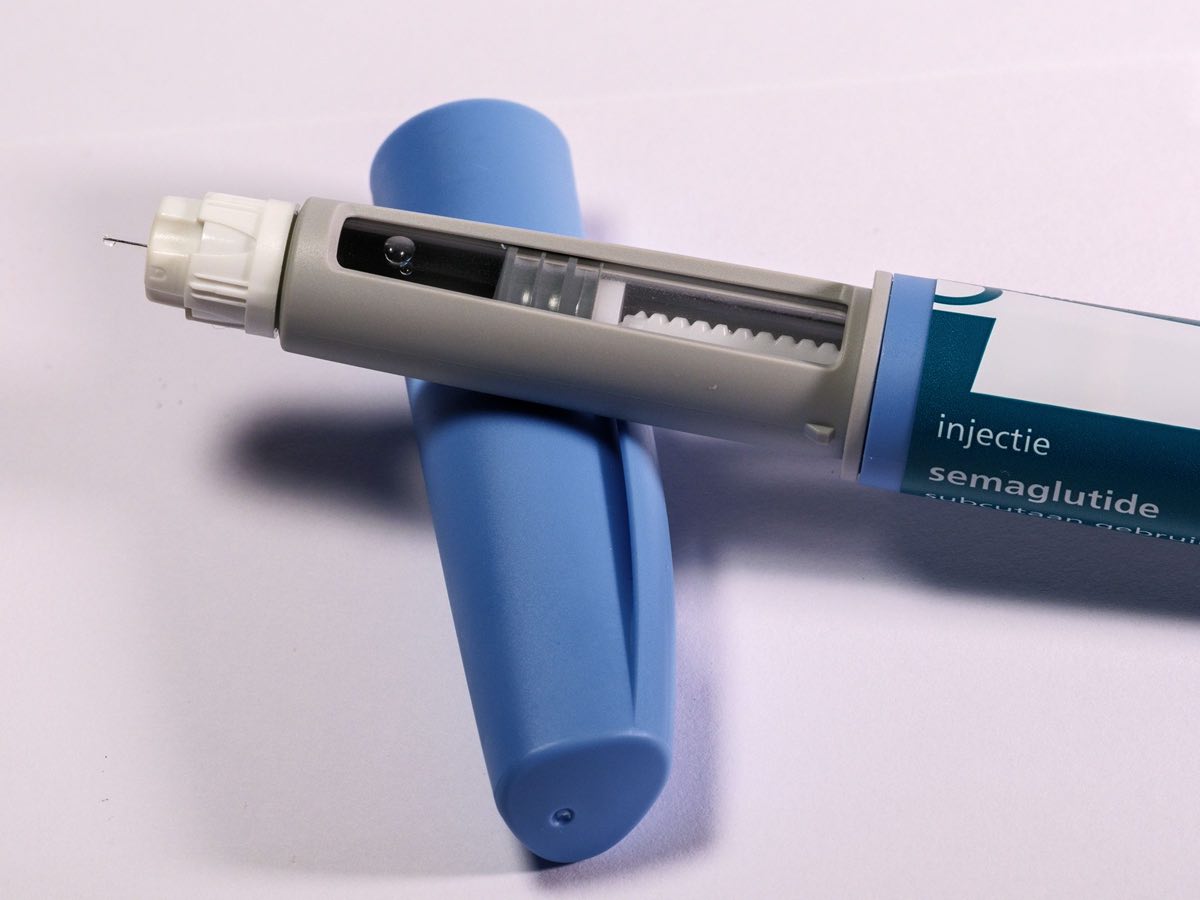
Autoinjectors, prefilled syringes, and inhalers, where two rulebooks apply to one product.
The primary mode of action assigns your lead center, and the lead center sets your application, your quality expectations, and your review culture. You do not have to guess it: a pre-RFD gets FDA on record before you build around the answer.
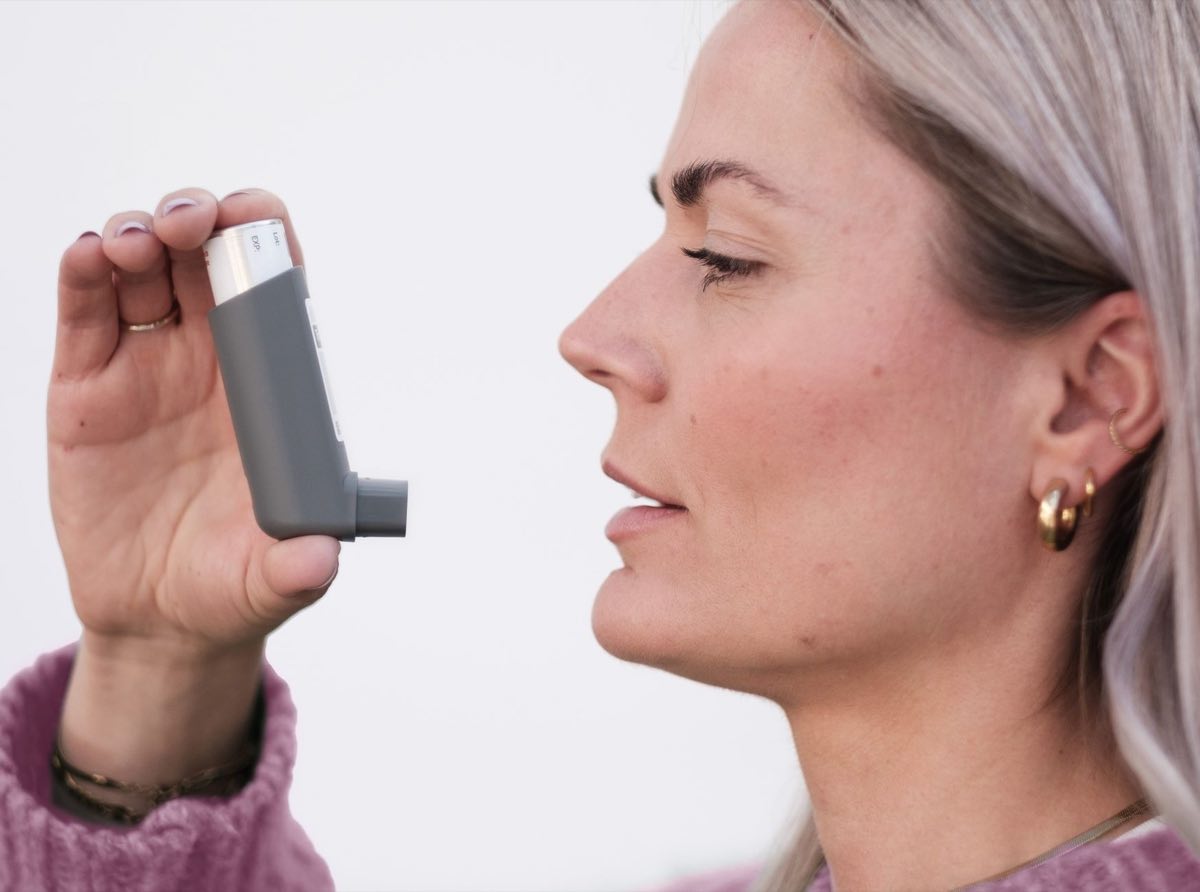
The drug and the device ship as one, but the primary mode of action decides who leads the review.
A combination product is one thing to a patient and two things to a regulator. Even when the drug provides the primary mode of action, the device constituent carries a burden the drug program cannot discharge for it.
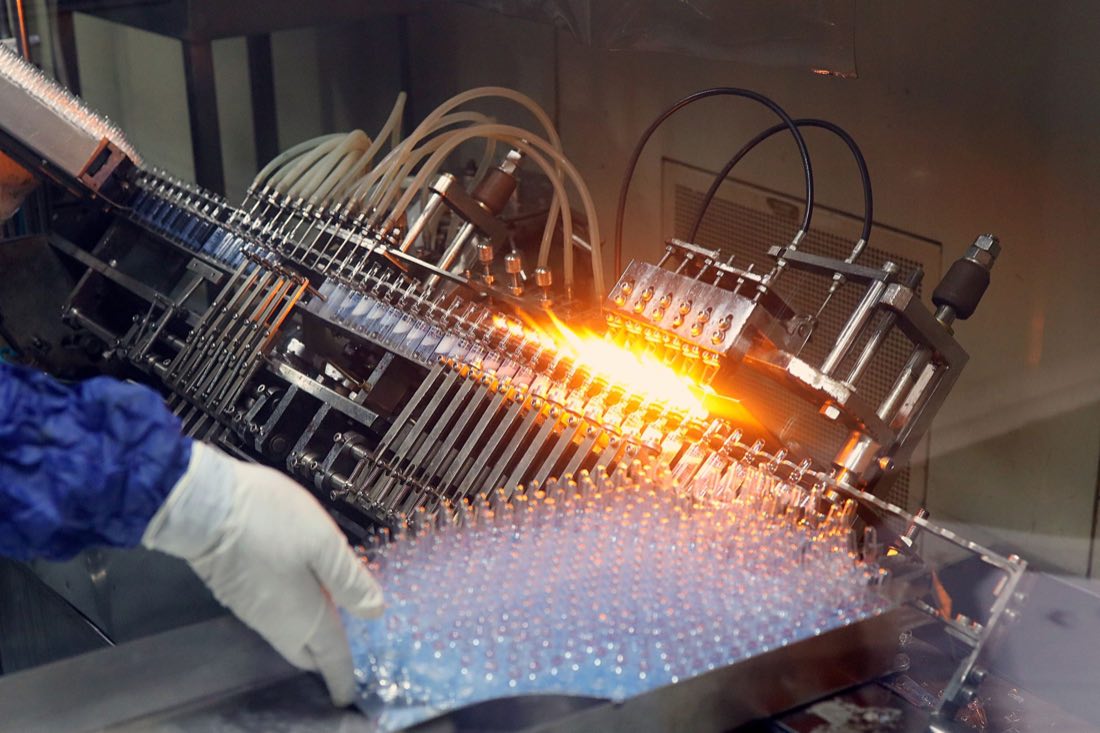
The chemistry and the mechanism, each held to its own standard and reconciled into a single filing.
Governed by drug or biologic cGMP.
The active, its CMC, its stability, and its container-closure, held to the standard of the medicinal product it is. Usually where the science that justifies the product lives.
Governed by design controls and the Quality System Regulation.
Use-related risk analysis, human factors validation, and design verification. Even as “delivery,” it has to prove it is safe and usable in real hands, or the whole submission waits on it.
Part 4 lets a combination product comply two ways. The choice shapes cost, inspection exposure, and how much you build twice, and it is far easier to make deliberately at the start than to unwind at scale. The base system you choose doesn't even have to match the center that reviews your submission — a distinction worth getting straight before you design around the wrong assumption.

The quality architecture is far cheaper to design once than to reconcile after scale-up.
Operate drug cGMP and the device Quality System Regulation completely and independently. Conceptually simple and easy to explain to an inspector, but duplicative in effort, records, and oversight.
Base the quality system on one framework and layer in the specified provisions of the other, so a single system satisfies both. Less duplication, but it demands deliberate design and a team fluent in both worlds.
Every one of these is a decision, not an accident, and each is far cheaper to get right at the start than to discover at review.

The device constituent, the quality architecture, the Article 117 opinion — all cheaper to get right at the start than at review.
The combination does not stop being two things after approval. Three fronts stay live for the life of the product.
Outside the US the same product can be regulated as a medicinal product with a device part, and EU MDR Article 117 requires a notified body opinion on the device constituent — a different question from the borderline classification that decides whether MDR applies at all. We build the global plan around that split.
The combination product safety reporting rule pulls together drug adverse-event reporting and device malfunction obligations, on combined timelines. We build the single system that satisfies both without gaps.
Legacy combinations often carry undocumented PMOA rationales, thin human factors files, or a quality system built for only one constituent. We read it cover to cover before it becomes your finding.
A combination product punishes specialists who only know one half. Your leads are senior regulatory and quality practitioners who have carried drug, biologic, and device programs, settled jurisdiction with the Office of Combination Products, and built the Part 4 systems that pass inspection.
Drug, biologic, and device experience in one team, so nothing falls into the gap between them.
We settle PMOA and center assignment early, with a pre-RFD or RFD strategy that gets FDA on record.
A quality architecture chosen deliberately for your operation, not stitched together after scale-up.
One plan that anticipates Article 117 and the ex-US route, so the global launch does not fragment.

A combination touches drug, device, and global programs at once. These are the services it reaches for most.
When the therapy depends on a paired diagnostic, the CDx co-development and IVDR strategy that keeps the assay on the drug's approval timeline.
Explore Companion Diagnostics →The chemistry and manufacturing story behind the drug constituent, built to keep pace with the device program.
Explore CMC →The device-side European framework, including the Article 117 notified body opinion a combination now needs.
Explore MDR & IVDR →The strategy and agency engagement that settle jurisdiction and carry the filing through review.
Explore Consulting →From the newsroom
Regulatory News is our independent newsroom — every story sourced to the primary record, published the day it lands. These are the beats that touch this page. RegulatoryNews.com →
Tell us about your product, its constituents, and where you are in development. We'll pressure-test your PMOA and pathway and match you with a senior combination product lead, with a response within one business day. All inquiries are strictly confidential.