Global Labeling & Artwork
Regulatory Labeling
The one document a regulator approves word for word.
The one document a regulator approves word for word.
Free proposal · three minutes
Get your free labeling proposal
No sales call. No account. No obligation.
Which markets matter in the next 18 months?
Everything else in the dossier supports a decision. The label is the decision, rendered in language the agency signs off on and holds you to. It is the legal boundary of every claim you make, the safety record your liability rests on, and the one document that has to stay consistent across dozens of markets while safety data, national rules, and reference labels all change on their own clocks. We build and govern labeling as the architecture it is, not as a pile of documents.

Every claim, every warning, in language the agency signed off on and will hold you to.
A single core governs dozens of local labels, and those labels govern the physical artwork a patient actually holds. Get the top right and consistency flows down; get it loose and every market compounds the drift.

One core, every market, held in sync as safety data and national rules keep changing.
The company core data sheet every market label answers to, with the right claims and safety language set once.
Each a negotiation between the core and a national framework with its own template, required sections, and tolerance for deviation, still traceable to one source.
Cartons, foils, IFUs, and Braille panels, where an approved word finally becomes a printed batch, and the last place an error can hide.
Labeling has moved from documents to data. FDA SPL, EU ePI, and component-based authoring turn an approved phrase into an object with lineage, reused across formats and updated once. It is the difference between a safety change that takes weeks and one that takes a day.
A single safety change means editing every local label by hand, each edit a chance to introduce an error or quietly fall out of sync with the core. The work scales with the market count.
An approved phrase is a managed component. Change it once, and it propagates everywhere it is used, in every format, with the lineage to prove what changed and when. Launch timelines collapse.

Every pack a patient holds inherits its words from the core. Structured content is how the inheritance stays intact.
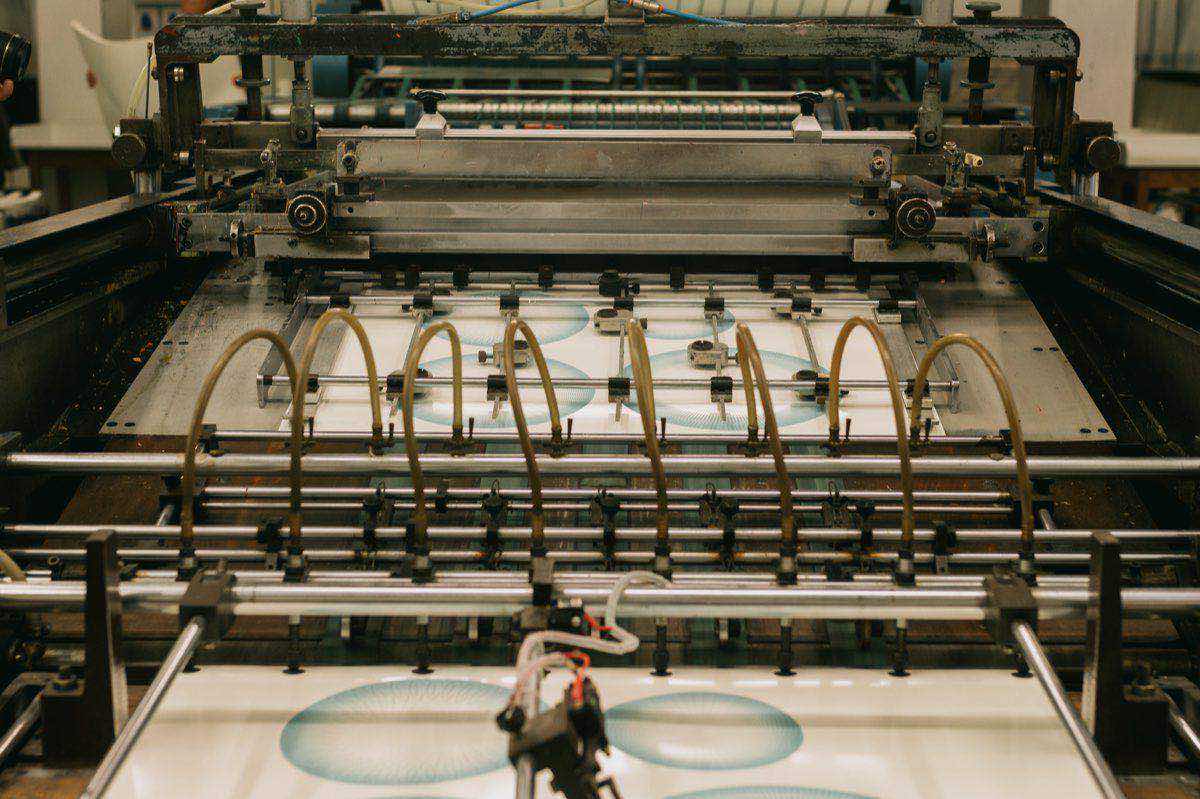
From mock-up to market-ready, with the proofing that catches the error before the batch prints.

At launch, the label, the SPL, the artwork, and every local variant come due at once against an approval date that will not move. We build the package backward from that date, with the core locked early and the regional and artwork work sequenced to hit it.

An acquisition or years of local drift leaves you with labels no single core governs and differences nobody can explain. We reconstruct the architecture, reconcile every local label against a rebuilt core, and document or retire each deviation on the record.
Labeling goes wrong in the seams: between the core and the local, between the text and the artwork, between one market's clock and another's. Your leads are senior labeling and regulatory practitioners who have built core data sheets, run label committees, and reconciled portfolios no single core once governed.
We fix the core data sheet before the local labels, because consistency is inherited from the top, not patched at the bottom.
SPL, ePI, and component authoring, so a change is made once and proven everywhere it lands.
We follow the label to the carton and the foil, because an approved word still has to survive the print run.
A label committee, clear ownership, and a trail for every deviation, so the architecture holds as the portfolio grows.
The label is the source every claim answers to and the record every market inherits. These are the services it connects to most.
Every promotional claim answers to the label. The review that keeps marketing inside what the label allows.
Explore Promo Review →The systems and change control that keep the labeling cascade moving across markets without breaking.
Explore Operations →The clinical documents the label's claims are drawn from, written so the wording is supported at the source.
Explore Writing →From the newsroom
Regulatory News is our independent newsroom — every story sourced to the primary record, published the day it lands. These are the beats that touch this page. RegulatoryNews.com →
Tell us where labeling stands: a launch to build, a safety change to cascade, or a portfolio to harmonize. We'll match you with a senior labeling lead and respond within one business day. All inquiries are strictly confidential.