Health Authority Engagement
FDA Meeting
Strategy
A handful of hours with FDA. Make every one count.
A handful of hours with FDA. Make every one count.
Free proposal · three minutes
Get your free FDA meeting proposal
No sales call. No account. No obligation.
Which markets matter in the next 18 months?
Across an entire development program, most sponsors spend fewer than ten hours in formal dialogue with the agency. Those hours decide trial designs, endpoints, and approval pathways worth years of runway. We prepare your team for every health authority interaction: choosing the right meeting at the right time, asking questions the agency can actually answer, and converting preliminary feedback into binding alignment you can build a program on.
Pre-INDs, Type Bs, and milestone meetings prepared like the single shot they are.
Requesting the wrong meeting type wastes a review cycle; requesting it too early wastes the meeting itself. Each format exists for a different moment in a program.
Non-binding early advice for novel or complex products, before you are ready for a formal pre-IND. The conversation that shapes the program.
Pre-IND, End-of-Phase 1 and 2, and pre-NDA or pre-BLA. The scheduled, high-leverage meetings that set the terms of the next phase.
Clinical holds, stalled programs, and post-CRL discussions. The meeting you request when the program cannot move without the agency.
A specific scientific or regulatory question, or a narrow set of them, outside the milestone calendar. Precision, not breadth.

Request the wrong meeting type and you burn a review cycle. Each format exists for a moment in the program.
The hour in the room is the smallest part. What decides the outcome is the preparation, run as a campaign with a sequence that compounds.
Questions engineered, the book authored, the room drilled, before the agency ever weighs in.
A request engineered to be granted in the format you want, built around questions the division can actually commit to.
Specific, answerable, and sequenced so each answer sets up the next. Vague questions return vague answers you cannot act on.
FDA forms its positions from your package before you arrive. We author the whole dossier, and the responses to the preliminary comments that land days out.
Full-dress mock meetings with former reviewers on the agency side, drilling the questions your team hopes nobody asks.
A senior lead facilitates, holds the agency to your questions, and reads whether a comment is an opening or an objection in real time.
Official minutes are binding and do not always match the room. We draft sponsor minutes within hours, reconcile line by line, and convert the outcome into program decisions.
By the time you walk into the room, FDA has already formed its positions, from your briefing book.
A strong package frames each issue, presents the data honestly, and proposes a position the division can agree with in writing. A weak one hands the agency its objections. This is where the meeting is actually decided, and where senior authorship pays for itself many times over.

FDA forms its positions from your briefing book. We build the package that frames the answer you want in the minutes.
Some interactions carry the whole program on their outcome. Three demand more than standard preparation.
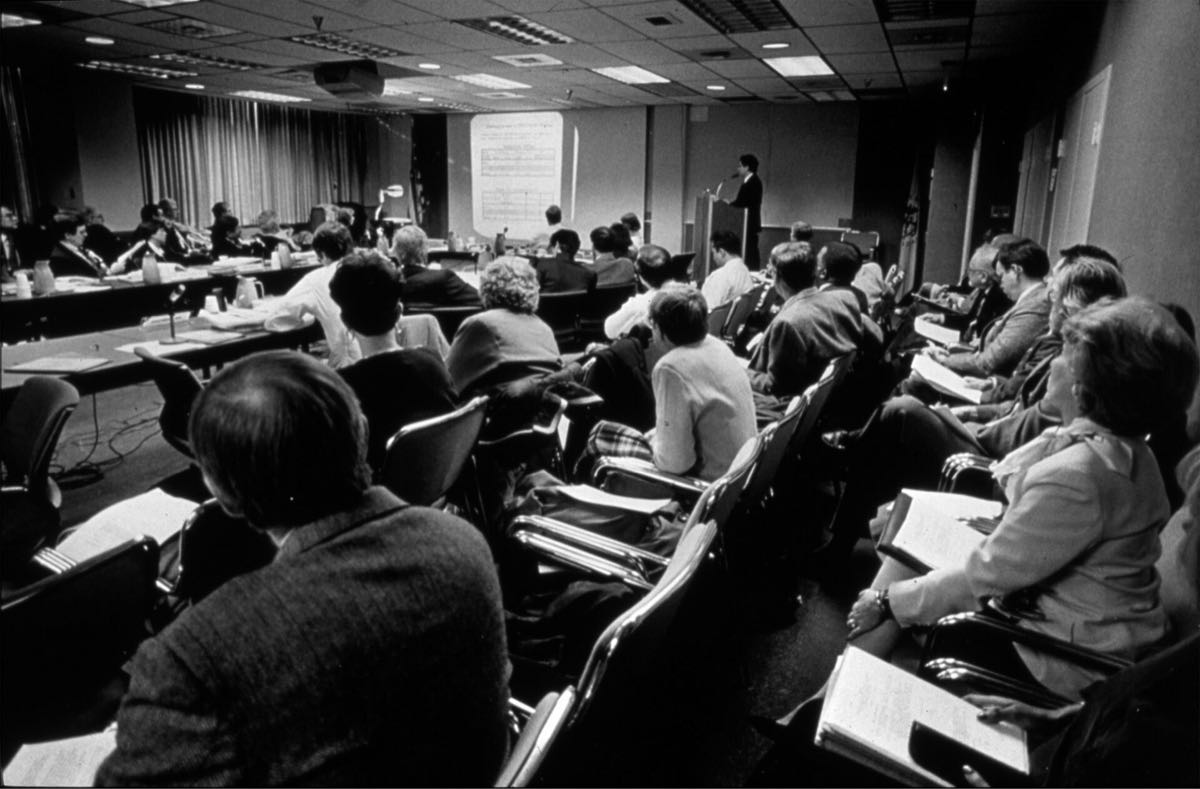
An Advisory Committee is public, adversarial, and unforgiving. It is prepared like a campaign.
We run the full campaign: core message architecture, panelist analysis, mock panels with voting, rapid-response slide libraries, and coaching for a televised, adversarial setting.
Clinical holds, refuse-to-file letters, and Complete Response Letters each have a formal path and a faster informal one. We help you decide when to push, when to reframe, and when to escalate through Formal Dispute Resolution.
We sequence EMA, MHRA, PMDA, and Health Canada interactions as a single campaign, so each answer strengthens your position with the next instead of fragmenting the plan.
A meeting is won by anticipating how the division will react before it does. Your leads are senior regulatory practitioners and former FDA reviewers who have chaired these meetings, written the minutes, and prepared sponsors for the interactions that decide a program.
Practitioners who have run these meetings from the government side, and know how reviewers actually read a briefing book.
We put your team through the hardest version of the meeting first, so meeting day holds no surprises.
We write questions the division can commit to, because a non-answer is a wasted meeting you cannot get back.
We stay past the handshake to lock the record, because a meeting only counts if the minutes say what you heard.
A meeting is a means, not an end. These are the services the outcome of an FDA meeting most often feeds.
The designations often discussed, granted, or lost in these meetings, requested at the moment they will be granted.
Explore Pathways →The strategy the meeting serves, and the senior leadership that carries the program between agency interactions.
Explore Consulting →The briefing packages and the filings that follow, assembled and transmitted the way the agency expects.
Explore Publishing →From the newsroom
Regulatory News is our independent newsroom — every story sourced to the primary record, published the day it lands. These are the beats that touch this page. RegulatoryNews.com →
Tell us which interaction is ahead of you and where the program stands. We'll match you with a senior meeting lead and respond within one business day. All inquiries are strictly confidential.