Paper to Platform, Compliantly
Digital
Transformation
Leaders in Modernizing Quality
Without Losing the Validated State
Leaders in Modernizing Quality
Without Losing the Validated State
Free proposal · three minutes
Get your free digital transformation proposal
No sales call. No account. No obligation.
Which markets matter in the next 18 months?
Every life-science company is somewhere on the road from paper to platform: eQMS rollouts, electronic batch records, LIMS consolidations, a quality data lake somebody promised the board. The technology is the easy half. The hard half is that a regulated company must remain continuously inspectable while it rebuilds the systems inspections run on — validated before, validated during, validated after. That is the discipline we bring: transformation programs designed by people who understand both the software and the 483 that follows a careless migration.

The reward for the pain: quality data you can see, trend, and act on before an investigator does.
Transformation fails when a stage-two company buys a stage-five roadmap. We assess where each process actually sits, then move deliberately — because every stage you claim must survive an audit.
Wet signatures, binders, and tribal memory. Compliant, slow, and fragile at scale.
Scans of paper in shared drives. The riskiest stage: two truths, neither controlled.
eQMS here, LIMS there, spreadsheets in between. Each validated; nothing connected.
Systems integrated, data flowing once, entered once, trusted everywhere.
Trending, prediction, and AI-assisted review on top of data that earned the right to be trusted.

Maturity is not more dashboards. It is a single loop of data clean enough to decide on.
“Going digital” is not one project. It is a portfolio, and each stream carries different validation depth, different data-integrity stakes, and a different blast radius when rushed.
The eQMS core: controlled documents, routed approvals, and training linkage — the first move for most companies, and the template for every move after.
Quality events moved from spreadsheets into workflow — with the risk tiers and escalation logic designed before configuration starts.
The deepest water: EBR/MES with review-by-exception — enormous payoff, unforgiving validation, and a shop-floor adoption problem to solve honestly.
LIMS, ELN, and instrument integration: the data-integrity high ground, where interfacing out the manual transcription removes the biggest error source.
Master data, interfaces, and the audit-trail-preserving migrations that decide whether ten years of records survive the move intact.
Dashboards, trending, and the governance that lets AI touch regulated data without touching your license to operate.
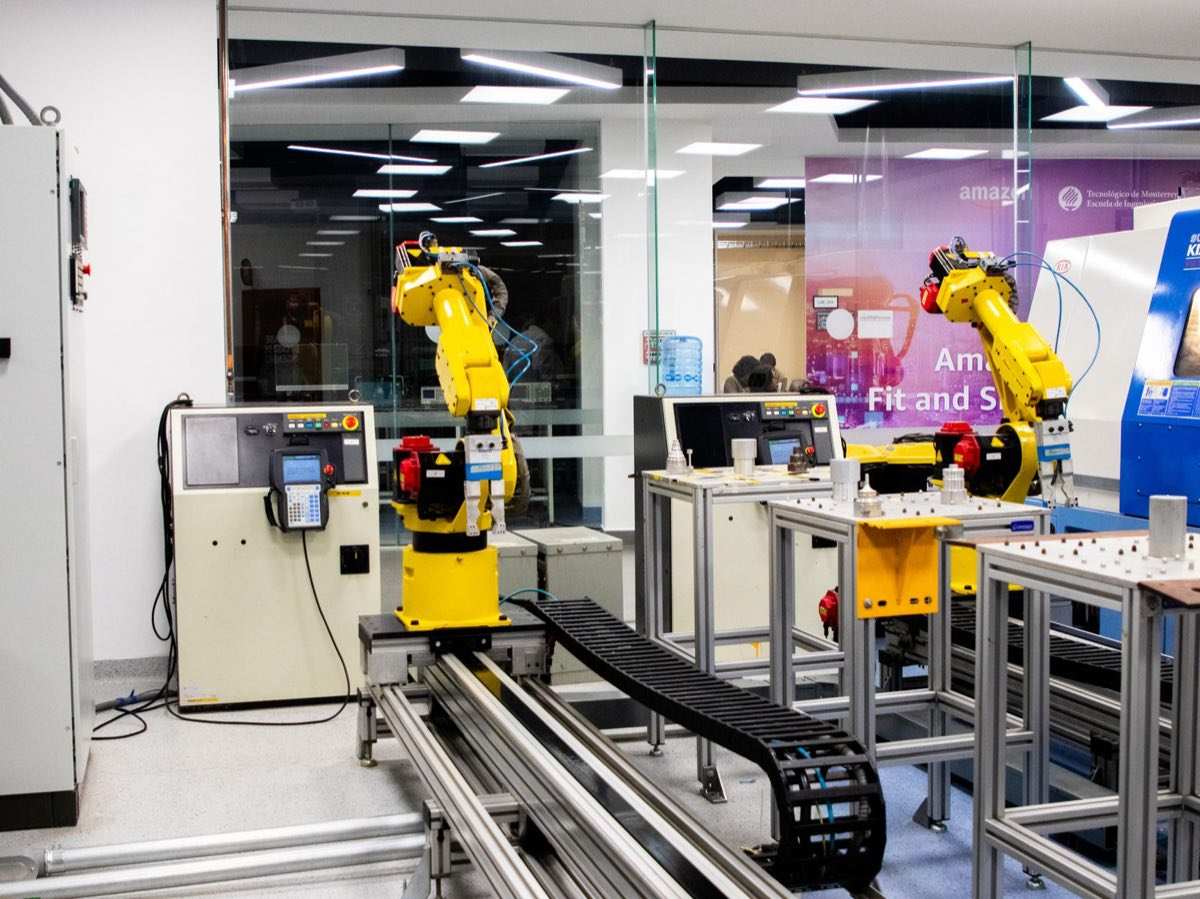
Every automated step is also an electronic record. The efficiency and the obligation arrive together.
Generic digital programs fail on adoption and scope. Regulated ones have four additional drowning pools, and every one of them is avoidable with the right sequence.
The platform is configured, the go-live is announced, and then someone asks who is validating it. Assurance planned in-flight costs a fraction of assurance bolted on at the end.
Lift-and-shift puts your worst paper process into software, where it becomes faster, more visible, and much harder to fix. Process redesign comes first, or the tool just accelerates the mess.
Paper and digital running in parallel “temporarily,” for years. Two systems of record means no system of record — and inspectors know exactly how to pull that thread.
Legacy records moved without their metadata, timestamps flattened, signatures orphaned. The project shipped; ten years of evidence quietly became unreadable.

A platform nobody uses is shelfware with a validation package.
Five working principles, applied on every engagement — from a single eQMS rollout to a multi-year, multi-site program.
Redesign the workflow on paper first, with the people who run it. Configuration then automates a good process instead of embalming a bad one.
Risk-based CSA runs inside the project plan — requirements, configuration, and testing as one thread, not a documentation sprint at the end.
Data moves with its metadata, verified by sampling and reconciliation, with the legacy system retired on evidence rather than optimism.
A dated, rehearsed cutover with rollback criteria — so the hybrid period is measured in days and closed by decision, not by fatigue.
The project ends when usage, cycle times, and data quality say so. We instrument that, and we stay until it holds.

The rollout succeeds when the operators say it does. We instrument that, and stay until it holds.
Digital transformation in life sciences is a bilingual job. Your leads have run quality organizations, delivered eQMS and EBR programs, and answered for both in front of regulators — so the roadmap respects both the technology and the license.
We come from the regulated side of the table, so compliance is designed in, not negotiated later.
Veeva, MasterControl, TrackWise, LIMS majors, MES — we know the ecosystems and sell none of them.
We have rescued audit trails from bad migrations, which is why ours are planned like batch records.
Operators, analysts, and QA see workload math, training that respects their shift, and a system that is visibly better.

A modernization program touches every layer of the quality stack. These are the services most often engaged with it.
The in-flight assurance discipline that keeps the program inspectable at every stage.
Explore CSV →The process architecture the platform digitizes — designed before a single field is configured.
Explore QMS →Stage five, governed: putting machine intelligence on top of regulated data without regulatory debt.
Explore AI & ML →From the newsroom
Regulatory News is our independent newsroom — every story sourced to the primary record, published the day it lands. These are the beats that touch this page. RegulatoryNews.com →
Tell us where you are on the road — planning, mid-flight, or picking up the pieces. We’ll match you with a senior transformation lead, with a response within one business day. All inquiries are strictly confidential.