FDA · EMA · Notified Bodies
Inspection
Readiness
Leaders in Making the Knock
at the Door a Non-Event
Leaders in Making the Knock
at the Door a Non-Event
Free proposal · three minutes
Get your free inspection readiness proposal
No sales call. No account. No obligation.
What is the product?
FDA does not schedule most GMP inspections anymore, and a notified body can invoke an unannounced audit under MDR. Which means “getting ready for the inspection” is already a failure mode: by the time you know it is coming, you are who you are. Real readiness is a standing posture — documents that surface in minutes, people who know their roles, a facility with no rehearsed answers because none are needed. We build that posture, drill it, and stand beside you on the day.

The inspection begins at reception — and the first impression is formed before the credentials are photocopied.
Inspectors calibrate fast. What happens between the badge and the first document request tells them whether they are examining a system or excavating one — and everything in that hour is rehearsable.
Credentials verified, management notified through one call tree, inspector seated in a prepared room within minutes — not parked in a hallway while the site improvises.
Who you are, what you make, how the operation is organized. Short, factual, free of marketing — delivered by someone with the authority to speak for the site.
Scribes seated, runners assigned, SME on-deck list active, document log opened. The inspector sees a calm surface; the choreography stays invisible.
Deviation logs, batch records, training files — retrieved fast, reviewed before handover, logged on the way in. Slow retrieval is read as a finding about your document control, because it is one.

A chaotic front room is a finding about your document control, because it is one. We rehearse the arrival.
Every well-run inspection is actually two operations running in parallel: the calm, candid conversation the inspector experiences, and the high-speed logistics engine they never see. Both need to be staffed, drilled, and led.
Where the inspection actually happens: questions answered honestly, documents presented cleanly, subject-matter experts brought in and out with intention.
The staging area where requests are triaged, documents pulled and quality-checked, and the next hour is anticipated before the inspector asks for it.

The inspector should experience one unhurried conversation — powered by a room they never see.
Readiness is measurable. These are the standards we hold client sites to on the days nobody is coming — because they are the difference between an inspection and an excavation.
Batch records, training files, complaint histories — retrievable inside fifteen minutes, from wherever they live.
No aging CAPAs, no expired training, no deviation backlog quietly compounding into an OAI classification.
Host, scribes, runners, SMEs — assigned to people by name, with trained alternates, not to a plan on a shelf.
Each open risk has an honest, documented position: what happened, what you are doing, and when it will be done.
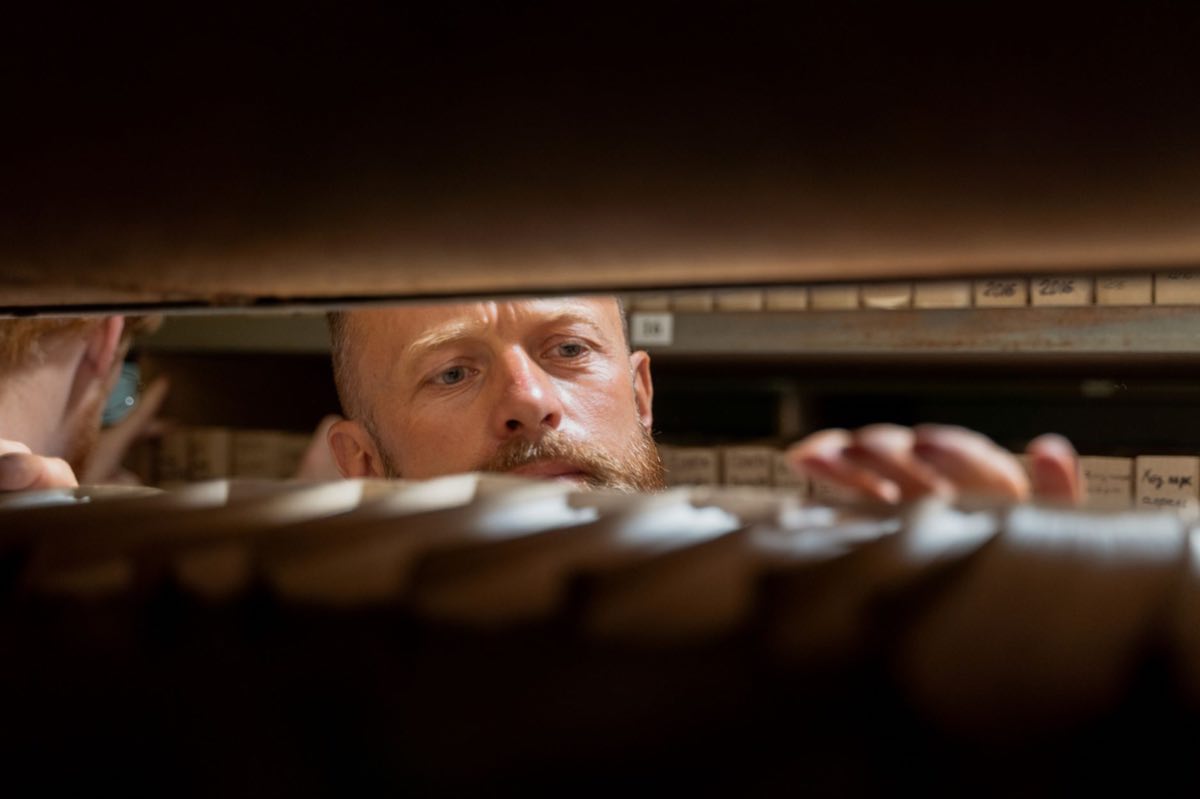
Inspectors time you. A record that takes a day to find is a finding about your entire document system.
A readiness program is a loop, not a project. We run it with your team until the posture holds on its own — and we take the front room with you when the real one arrives.
A readiness diagnostic against the inspection your site will actually face: systems, backlogs, retrieval speed, people, and the state of your known risks.
Close the gaps that matter in inspection order of severity — data integrity and backlog first, room logistics last, everything CAPA-tracked.
Unannounced document pulls, SME murder boards, and full mock-inspection days that make the choreography muscle memory instead of a binder.
A quarterly readiness metric reviewed by site leadership, so the posture survives reorganizations, turnover, and success.

A posture that survives reorganizations, turnover, and success, instead of a fire drill before every visit.
Your readiness leads are former FDA investigators and site quality heads who have sat in the host chair for PAIs, surveillance inspections, and for-cause visits — and who know what turns a 483 observation into a warning letter, and what quietly prevents one.
We prepare your site against how inspectors are trained to look, not against a generic checklist.
FDA, EMA, MHRA, PMDA, WHO, and MDR notified bodies — each with its own rhythm, scope, and tripwires.
When the real inspection comes, we staff the back room and coach the front — your calmest people in the building.
We do not build performances. We build sites whose true state withstands examination — and fix what would not.
Inspection readiness sits on top of the whole quality system. These are the services sites pair with it most.
For sterile sites, the EU GMP Annex 1 contamination control strategy inspectors now open with, built and defended.
Explore Sterility Assurance →The full dress rehearsal, run by former investigators at real-inspection intensity — the drill at the heart of readiness.
Explore Mock Inspections →The gaps a readiness assessment surfaces, closed through corrective action that holds up to scrutiny.
Explore CAPA →Fifteen-minute retrieval starts here: a document system organized for the day someone asks.
Explore Documents →From the newsroom
Regulatory News is our independent newsroom — every story sourced to the primary record, published the day it lands. These are the beats that touch this page. RegulatoryNews.com →
Tell us about your site, your timeline, and the inspection you expect — or the one you fear. We’ll match you with a senior readiness lead, with a response within one business day. All inquiries are strictly confidential.