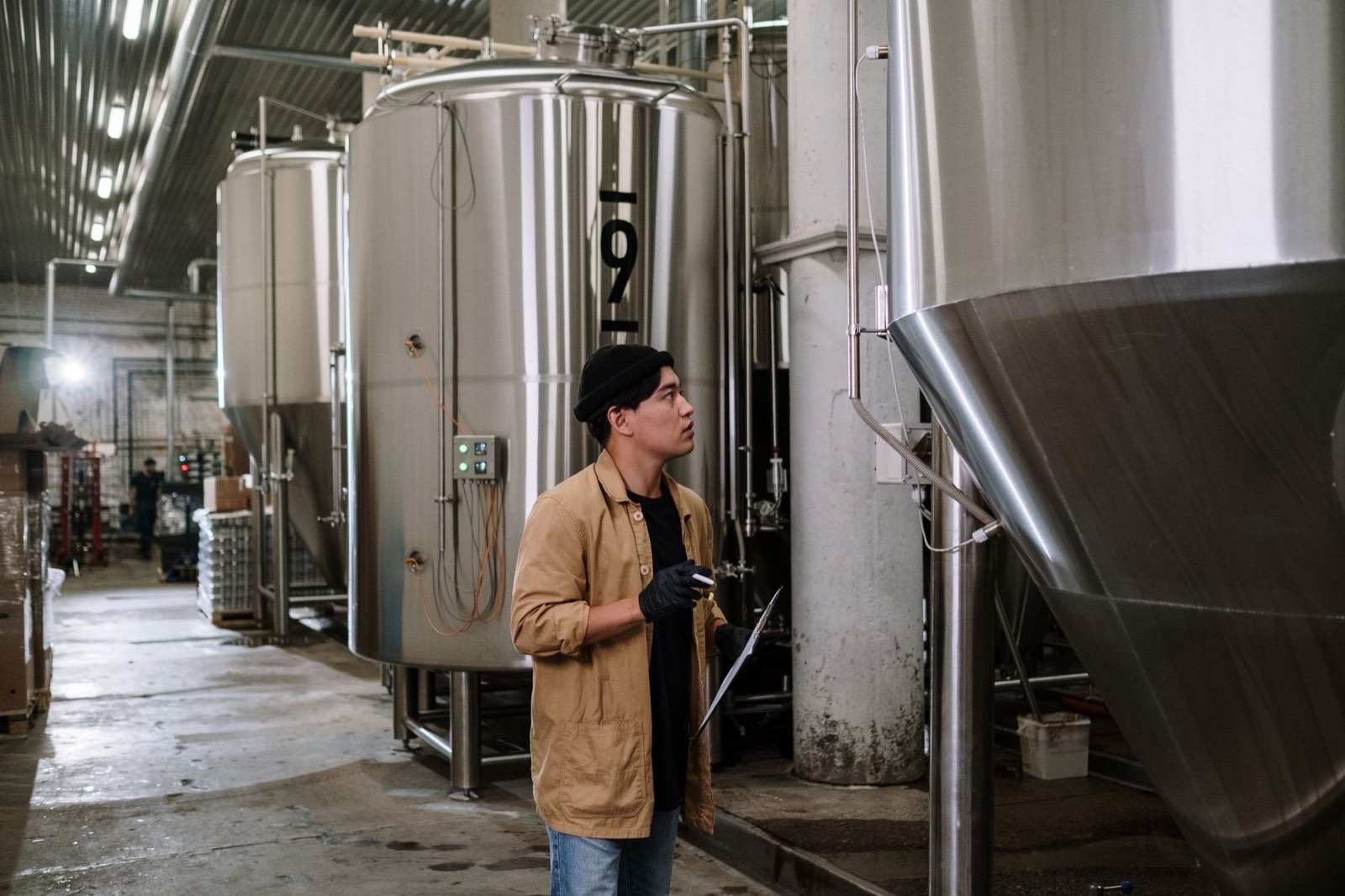
Facilities · Utilities · Equipment · Process
Commissioning,
Qualification
& Validation
Leaders in Proving a Facility
One Step at a Time
Leaders in Proving a Facility
One Step at a Time
Free proposal · three minutes
Get your free commissioning, qualification and validation proposal
No sales call. No account. No obligation.
Which markets matter in the next 18 months?
Between the day the equipment arrives and the day the first commercial batch releases stands a mountain of evidence: that the design suits the process, the installation matches the design, the systems operate as specified, and the process performs — repeatedly, under load, at the edges of its ranges. CQV is that mountain, climbed in order. We plan it, execute it, and document it so the story holds from the first weld inspection to the pre-approval inspection.
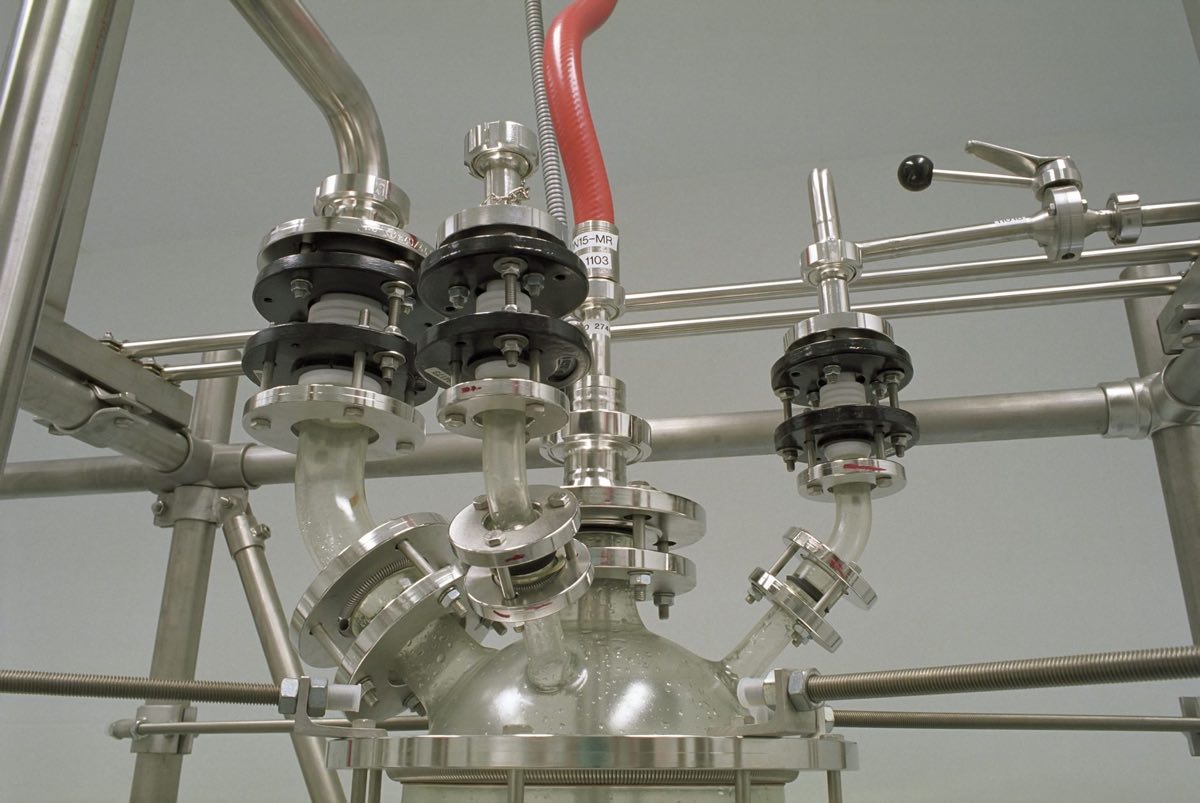
A qualified facility is not one that works. It is one that can prove why it works.
The sequence is not bureaucracy — it is logic. Each stage answers one question, and each answer is only as good as the step beneath it. Skip a stair and everything above it is standing on air.
The design reviewed against process requirements and GMP before money turns into steel.
Good engineering practice: FAT, SAT, and startup — leveraged as evidence, not repeated later.
The system installed per design: components, materials, instruments, calibration, drawings as-built.
Every function challenged across its operating ranges, alarms and interlocks included.
The system performing its real duty under real load — then process validation on top.
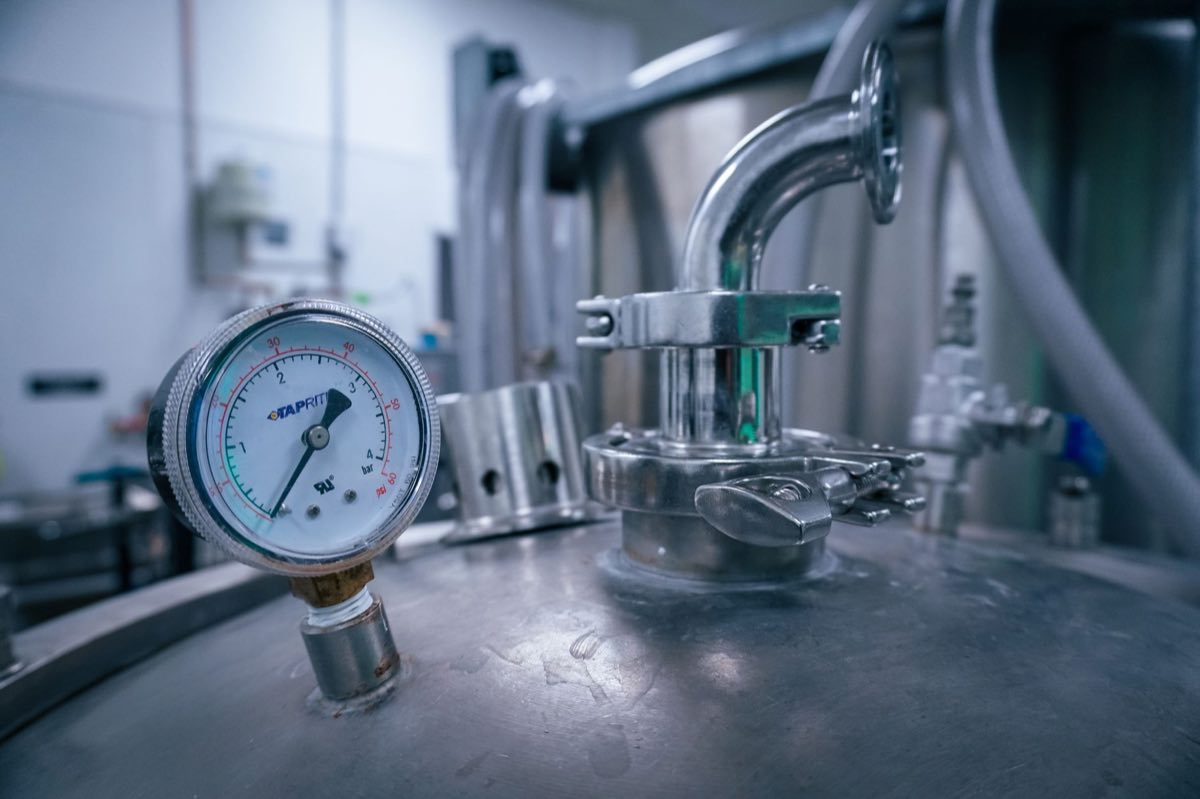
OQ is not watching the system run. It is trying, on the record, to make it fail.
The product touches far more than the process train. Everything that can reach quality — air, water, steam, cold, code — carries its own qualification obligation.
Airflow visualization, pressure cascades, recovery, and classification — the environment qualified as rigorously as the machine inside it.
WFI, purified water, and clean steam systems: sampling plans, seasonal phases, and the microbiological patience they demand.
Bioreactors, filling lines, lyophilizers, autoclaves — the trains themselves, from FAT leverage through PQ under production conditions.
PLCs, SCADA, and BMS qualified alongside the iron they run — one integrated story instead of two orphaned ones.
Chambers, freezers, and warehouses mapped through seasons and failure scenarios, with excursion alarms proven, not presumed.
Greenfield builds and expansions: the master plan that sequences hundreds of systems into one credible, PAI-ready program.

Greenfield builds and expansions sequenced into a single credible, PAI-ready program.
Licensure dates slip in qualification more than anywhere else — not because the work is slow, but because it was planned as an afterthought. Risk-based CQV, done from the start, compresses the schedule without gambling the inspection.
ASTM E2500 and ISPE Baseline Guide thinking: commissioning evidence carried into qualification instead of executed twice.
System impact assessments that separate direct-impact systems from the rest, so rigor lands where product quality actually depends on it.
The validation master plan written with the project schedule, not after it — because retrofitting evidence is the most expensive construction activity there is.
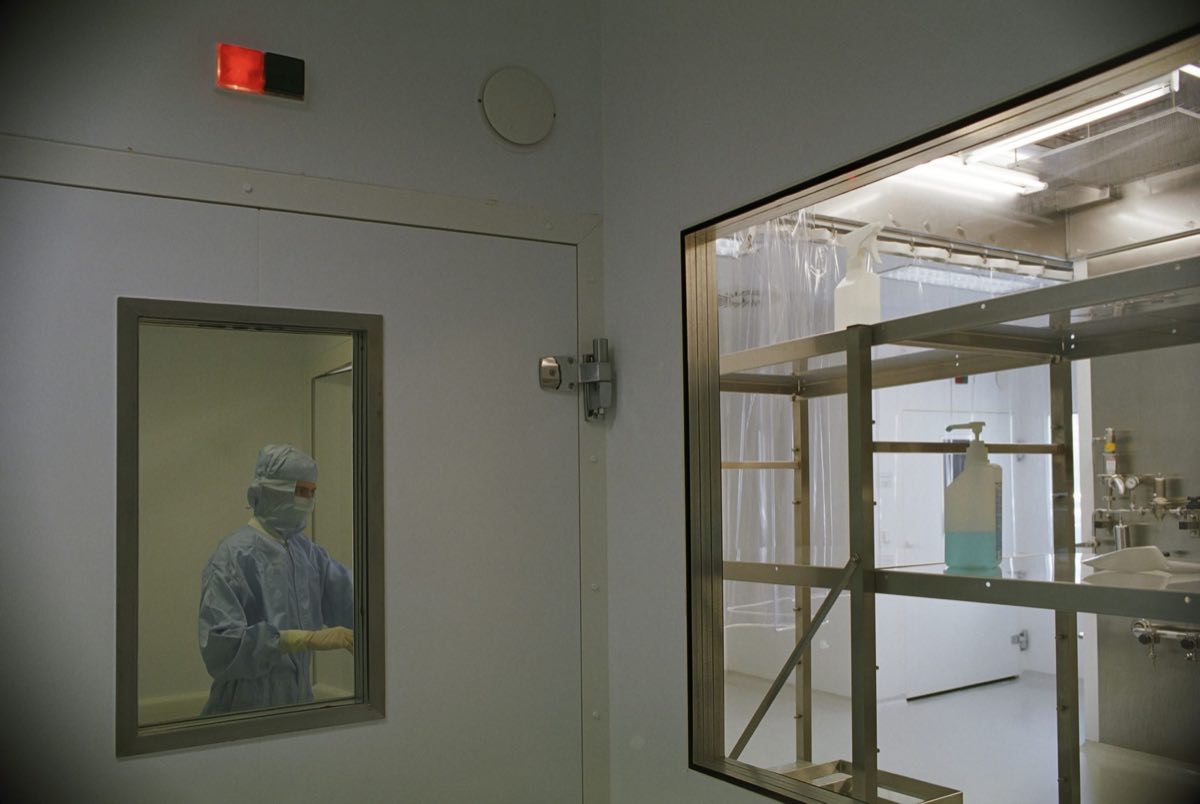
By the time product moves in, every cubic foot of this air has a data package behind it.
An investigator reading your CQV package two years from now should be able to trace any requirement to its proof without asking a single question. That traceability is built in from the first document, or never.
The validation master plan: scope, strategy, acceptance philosophy, and the risk logic that justifies every shortcut you take on purpose.
IQ/OQ/PQ protocols with pre-approved acceptance criteria — written to be executed, not admired.
Disciplined test execution with real-time documentation, so the evidence is generated once and generated right.
Failures during qualification handled as data, investigated and resolved — the part inspectors read most carefully.
The matrix tying every requirement to its test and every test to its result. The map that makes the package auditable.
Summary reports that state conclusions a regulator can accept, and a handover into change control that keeps the qualified state alive.
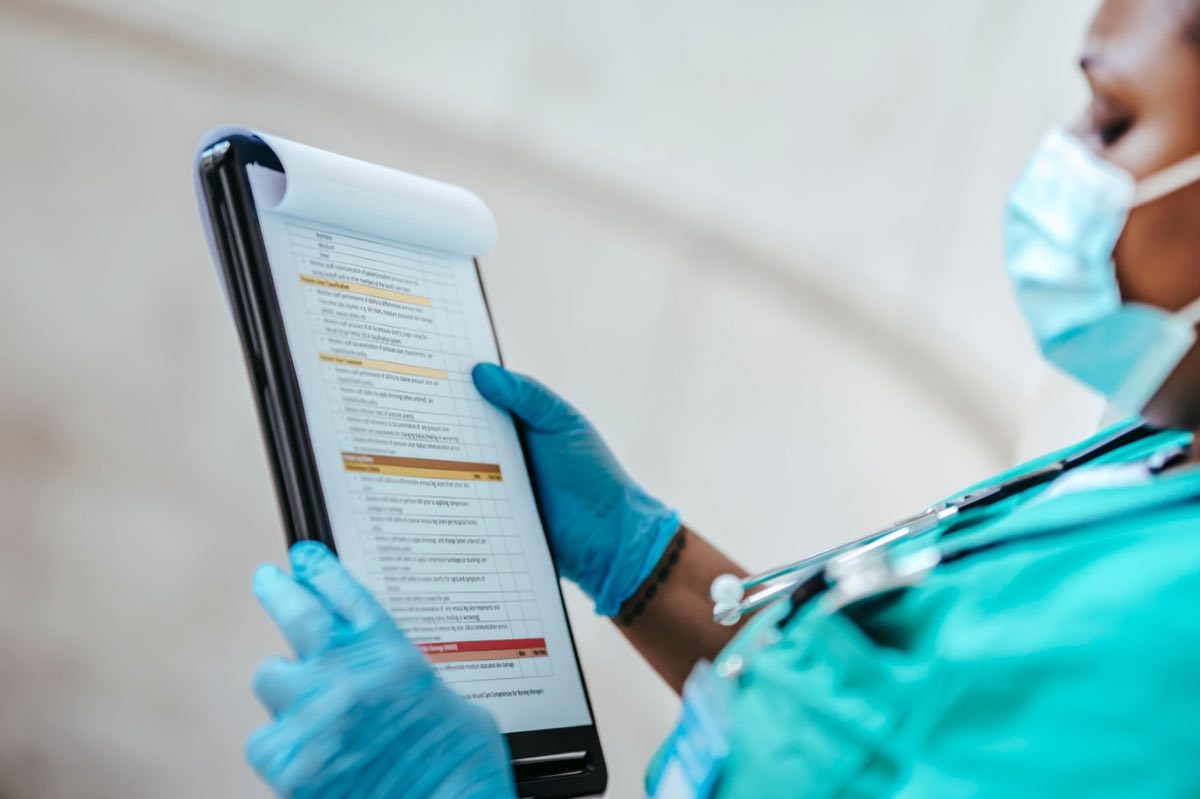
Protocols executed and summary reports that state clean conclusions, handed into change control to keep the qualified state alive.
CQV leadership is earned in facilities, not slide decks. Your leads have run qualification programs for greenfield biologics plants, fill-finish lines, and cell therapy suites — and walked investigators through the packages afterward.
Protocols we write get executed by people who have held the clipboard on nights and weekends. It shows in the writing.
We plan CQV against construction and licensure milestones, and we have recovered programs that were already late.
Biologics, sterile fill, oral solid dose, and ATMP suites each qualify differently. We have done each.
Our packages are built for the inspection at the end, with the deviations handled the way an investigator expects.
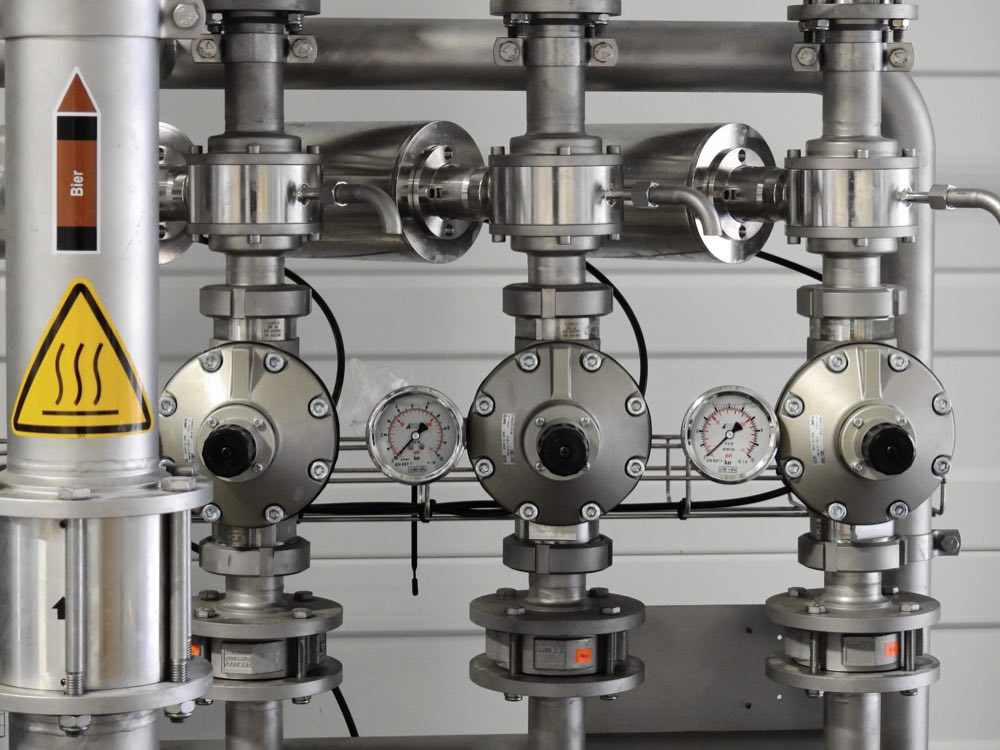
CQV hands its results to the systems that keep them true. These are the services most often engaged with it.
The system that protects the qualified state after handover — and decides when requalification is owed.
Explore Change Control →The automation layer — PLCs, SCADA, MES — assured in step with the equipment it controls.
Explore CSV →The PAI at the end of the program, prepared for as deliberately as the program itself.
Explore Readiness →From the newsroom
Regulatory News is our independent newsroom — every story sourced to the primary record, published the day it lands. These are the beats that touch this page. RegulatoryNews.com →
Tell us about the facility, the line, or the program — greenfield, expansion, or rescue. We’ll match you with a senior CQV lead, with a response within one business day. All inquiries are strictly confidential.