The Hardware Is Cleared. The Reconstruction Is the Product.
Regulatory strategy for imaging — scanners, detectors, and the software that turns signal into diagnosis, cleared as one system with performance data to match.
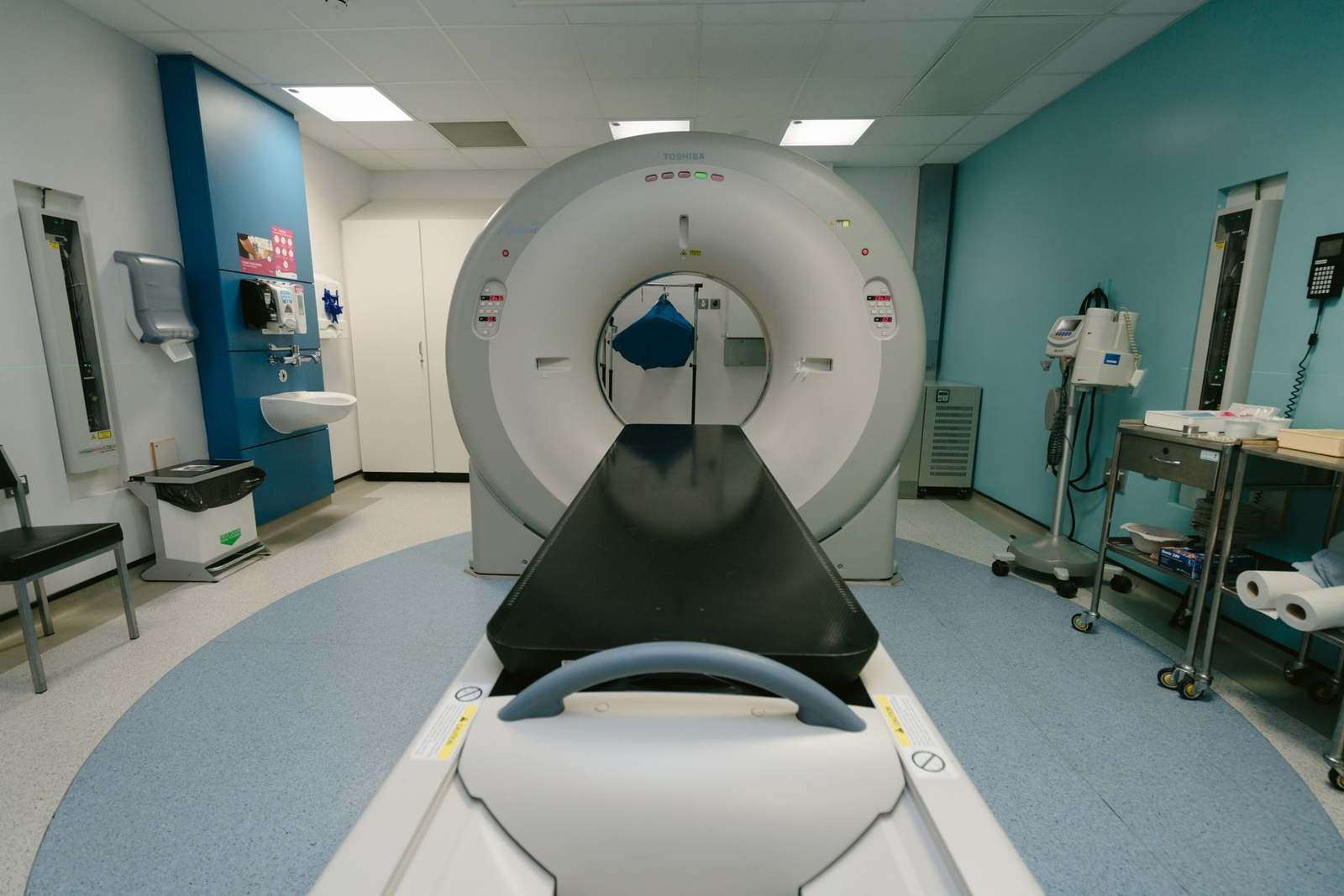
Free proposal · three minutes
Get your free imaging system proposal
No sales call. No account. No obligation.
Which markets matter in the next 18 months?
You Sell a Magnet. What the Radiologist Buys Is an Image.
Imaging has quietly become a software category wearing hardware. The gantry, the magnet, the detector — all mature, all necessary, none of them where the differentiation lives. The claims that sell a modern system are reconstruction claims: faster scans at the same diagnostic quality, lower dose at the same confidence, denoising that lets you shorten a breath-hold. Every one of those is a software claim about diagnostic performance.
Which means the file changes shape. A hardware submission proves the machine is safe and performs to spec; a reconstruction claim has to prove that a clinician reading your images reaches the right answer — often with reader studies, always with performance data that survives across sites, scanners, and patient populations. We scope imaging files around the claim, not the chassis.

Image quality is a means. Diagnostic performance in a human reader is the claim.
Five Links Between the Photon and the Diagnosis.
Each link has its own standard, its own evidence, and its own way of ending a review. The file has to close all five.
Acquisition
The physics: field strength, dose, geometry, and the safety envelope around them.
IEC 60601-2 seriesDose & safety
Radiation performance standards, dose reporting, and the pediatric question every CT program must answer.
21 CFR 1020 · MQSAReconstruction
Where AI now lives. Denoising and acceleration are diagnostic claims, not image processing.
SaMD · PCCPDisplay
Viewers, workstations, and the calibration assumptions your claim silently depends on.
DICOM · display QAInterpretation
Reader studies, MRMC design, and the population your performance actually generalizes to.
Clinical performanceThe chain is why imaging submissions surprise people. A company that has cleared scanners for thirty years can be stopped by link three, because a reconstruction claim invites the software framework, the change-control question, and — if the algorithm learns — a predetermined change control plan the hardware team has never heard of.

Ultrasound moved to handhelds and phones — and took the whole regulatory frame with it.
Your Scanner Will Outlive Three Generations of Its Own Software.
Imaging systems live in hospitals for a decade or more, on networks you do not control, running software you keep updating. That creates the category’s distinctive burden: every release has to be legal against the cleared configuration, every patch has to reach machines whose OS is older than the patch, and cybersecurity obligations now attach to a fleet that predates them.
Meanwhile the frontier moves in the other direction — handheld ultrasound on a phone, AI triage reading studies before a radiologist does, point-of-care imaging in clinics with no physicist. We build imaging programs that hold the installed base and the frontier at once, because the same quality system has to serve both.
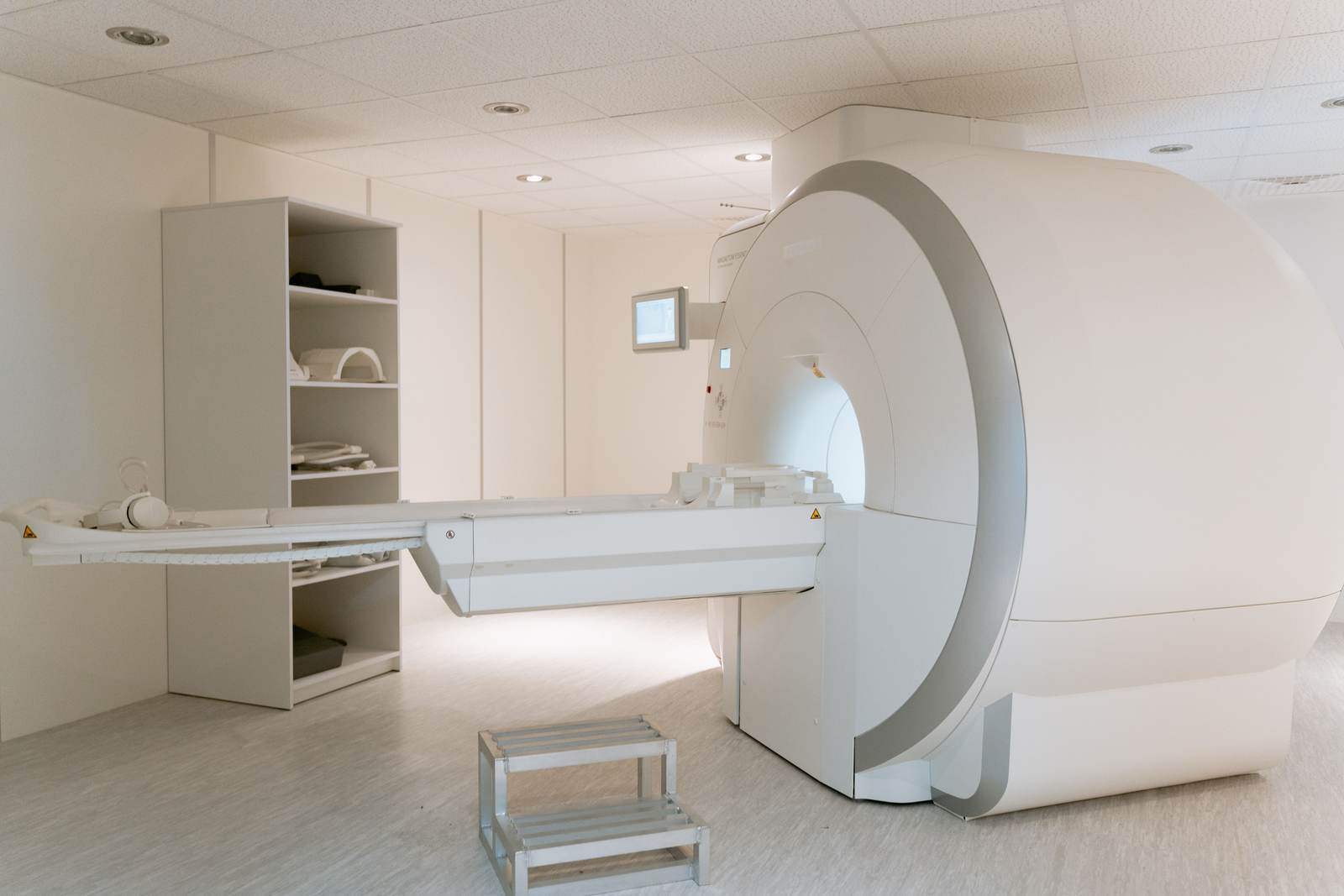
An Imaging System Is a Ten-Year Platform, Not a Single Clearance.
Electronic performance standards, radiation dose, and the claim the software makes about the image — all of it is revisited across a service life measured in clinical generations.
What an Imaging Program Plans Around.
Three truths about a category whose product is increasingly not the machine.
- The claim
- Sets the evidence. “Faster at equal quality” is a diagnostic performance claim and needs reader-level proof.
- 1020
- The radiation performance standards your hardware answers to, independent of everything the software does.
- 10+ years
- How long your systems stay in service — and how long you owe them patches, support, and a security position.
Six Failure Modes We Are Brought In to Prevent.
Most of them are a hardware organization meeting a software framework.
Reconstruction claims without readers
“Equivalent diagnostic quality” asserted from phantom data, when the claim needed clinicians reading real studies.
AI in the pipeline, unacknowledged
A learned denoiser shipped as image processing — and the software, change control, and PCCP questions arriving all at once.
Performance that doesn’t travel
Data from one site, one scanner, one population — then generalization questions the file cannot answer.
Display assumptions unstated
A claim that silently depends on calibrated monitors nobody in the field actually calibrates.
Legacy fleet, modern threats
Ten-year-old consoles on hospital networks with no patch path and no security position — now a 524B-era liability.
Software releases outrunning clearance
A release cadence built for consumer software applied to a cleared configuration nobody re-assessed.
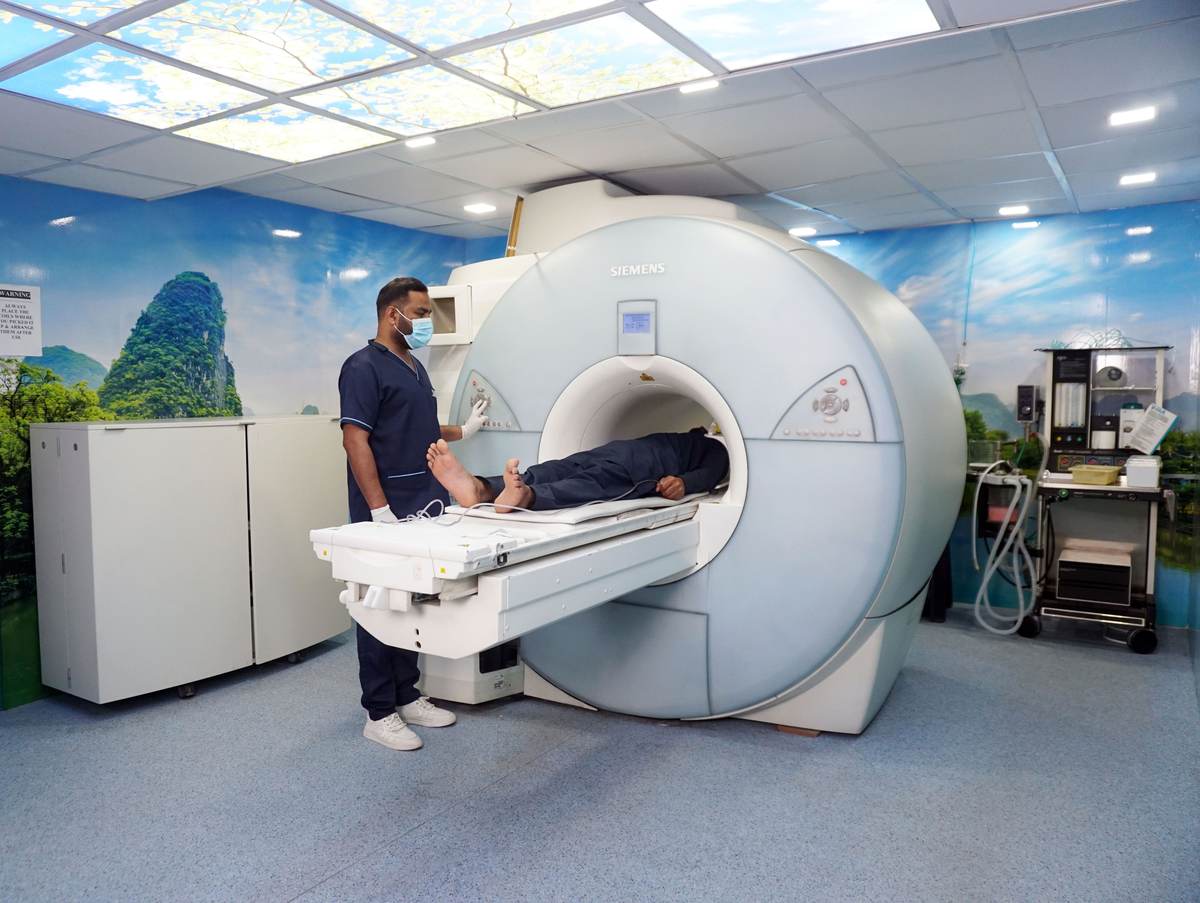
Imaging Regulatory Leadership That Reads Physics and Software.
Our imaging leads have scoped reader studies, defended reconstruction claims, and kept installed fleets compliant through a decade of updates.
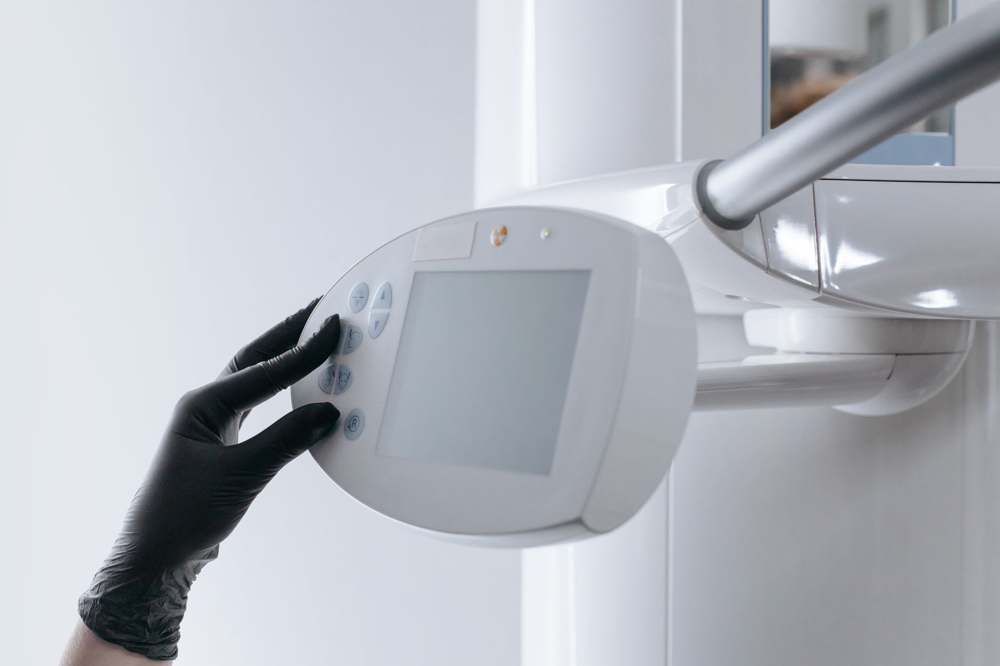
“Nobody clears a magnet anymore. They clear a claim about what a radiologist can see — and that is a software submission with a scanner attached.”
The discipline we bring to CT, MR, ultrasound, and molecular imaging.
From the newsroom
The record moves. Follow it.
Regulatory News is our independent newsroom — every story sourced to the primary record, published the day it lands. These are the beats that touch this page. RegulatoryNews.com →
- Healthcare technologySaMD, AI-enabled devices and digital health.
- FDAApprovals, clearances, letters and guidance.
- GuidanceDraft and final guidance, as it lands.
- Devices510(k)s, De Novos, PMAs and EU MDR.
- MHRAUK approvals, guidance and safety action.
- Full archiveEvery story we have published, searchable.
Clearing an Imaging System? Scope the File Around the Claim.
Bring senior imaging regulatory leadership in before the reconstruction claim outruns the evidence plan.
Senior-led. Embedded in your team. No junior hand-offs.