Sterility Is the One Attribute You Cannot Test Into a Batch.
Regulatory strategy for sterile injectables — aseptic process design, container closure integrity, and Annex 1, from clinical supply to commercial launch.

Free proposal · three minutes
Get your free injectable proposal
No sales call. No account. No obligation.
Which markets matter in the next 18 months?
Sterility Testing Twenty Vials Tells You Almost Nothing About a Batch of Fifty Thousand.
The compendial sterility test samples a tiny fraction of a batch and would miss low-level contamination with near certainty. Everyone in the field knows this. It is why sterility assurance is built into the process — the sterilizing filter, the environment, the operators, the container closure — and why the test is a final confirmation rather than the evidence.
That inversion drives everything distinctive here. Media fills that simulate your worst-case aseptic operation. Environmental monitoring with data trends a regulator will read. Container closure integrity as a lifetime property, not a release test. And the revised Annex 1 made the expectation explicit with its Contamination Control Strategy — a holistic, documented argument for how contamination is prevented across the whole facility, not a folder of individual validations.
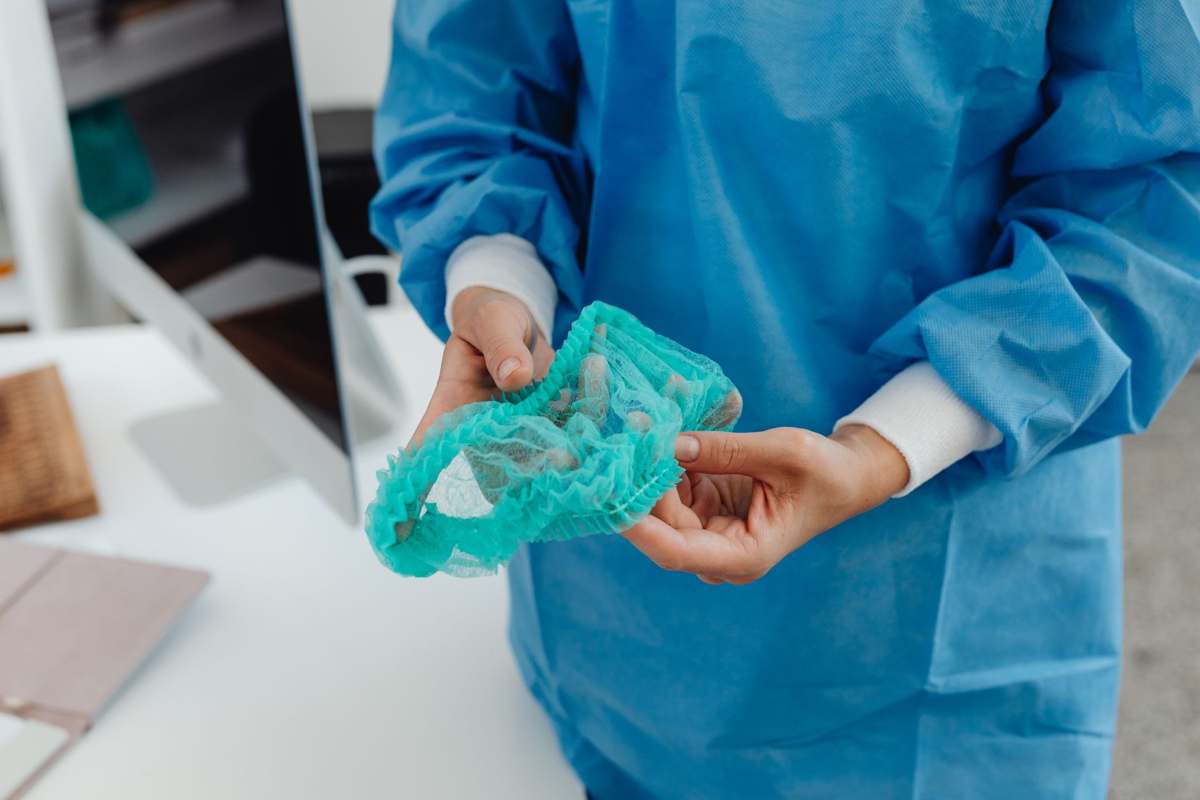
The largest contamination source in an aseptic suite walks in wearing a gown.
Four Ways Contamination Gets In. Four Places It Has to Be Stopped.
Annex 1’s Contamination Control Strategy is really this ledger, made formal: every route in, and the control that closes it.
Operators in the aseptic core
Gowning qualification, behaviour, and intervention design. The strongest answer is removing them — barrier isolators and RABS, which Annex 1 pushes toward by expectation rather than mandate.
Air, surfaces, and flow
Grade A/B classification, airflow visualization that proves unidirectional flow at the point of fill, and environmental monitoring whose trends are read as evidence, not archived as records.
The aseptic operation itself
Sterilizing-grade filtration validated on your product, media fills covering worst-case duration and interventions, and every manual step justified against an automated alternative.
Closure integrity, for the shelf life
CCI as a product attribute proven over storage and transport — deterministic methods preferred, glass and stopper selection interacting with your formulation and, for biologics, with leachables.
Terminal sterilization beats aseptic processing every time you can use it. If your molecule survives the cycle, that is the decision — a sterility assurance level you can calculate rather than argue. Most biologics cannot, which is precisely why they carry the aseptic burden. We test that question first, because the answer restructures the whole facility conversation.

Every control upstream exists so this moment is uneventful.
Your CDMO’s Inspection History Is Now Your Regulatory Risk.
Most sterile injectables are filled by contract manufacturers, which means a facility you do not own, staffed by people you do not manage, is the reason your product is sterile. Their environmental data, their media fill failures, their 483 history — all of it lands on your application. A pre-approval inspection at their site can stop your approval regardless of how good your molecule is.
This is why sterile injectable strategy is as much oversight as science: quality agreements with teeth, person-in-plant during campaigns, honest assessment of a site’s Annex 1 readiness before you sign, and a second source qualified before you need one. We evaluate the facility with the same rigour as the file — because in this category, they are the same document.
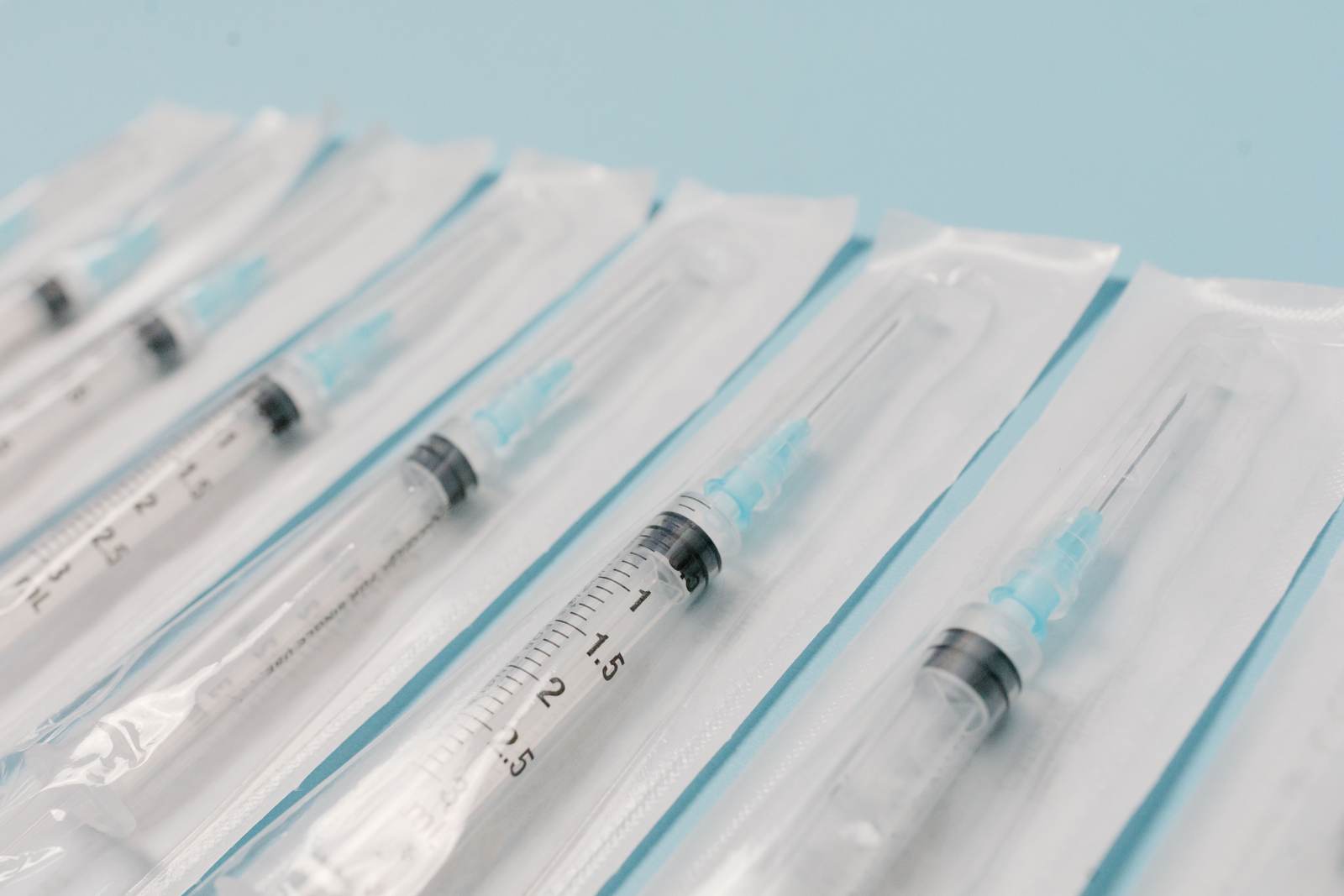
You Cannot Inspect Sterility Into a Vial. You Build It Into Every Operation.
Annex 1’s Contamination Control Strategy, media fills that simulate your worst-case aseptic operation, and the CDMO whose inspection history becomes a section of your application.
What a Sterile Injectable Program Plans Around.
Three constants behind every aseptic decision.
- Annex 1
- The revised standard, and its Contamination Control Strategy — a documented, holistic argument rather than a stack of validations.
- Media fills
- Your worst-case aseptic operation, simulated. The closest thing to evidence that the process, not the test, delivers sterility.
- The CDMO
- Where your product is actually made. Their inspection history is a section of your application.
Six Failure Modes We Are Brought In to Prevent.
Sterile manufacturing failures are rarely subtle — and rarely cheap.
Terminal sterilization never evaluated
An aseptic facility built for a molecule that would have survived the autoclave — a decade of unnecessary risk and cost.
Media fills that avoid the hard case
Simulations that skip the interventions and durations that actually happen on a bad shift.
CCI treated as a release test
Integrity proven at time zero, not across shelf life and shipping — and a stability failure that reads as contamination.
No Contamination Control Strategy
Annex 1 read as a checklist of upgrades, when it asked for a reasoned, facility-wide argument.
CDMO chosen on price and capacity
A site with an inspection history that becomes your approval’s problem at the PAI.
Single fill site
One line, one facility, no second source qualified — and a drug shortage listing after one deviation.

Sterile Injectable Leadership That Reads Environmental Data.
Our sterile leads have built contamination control strategies, defended media fill programs, and prepared CDMO sites for pre-approval inspection.

“You cannot test sterility into a batch. Everything that matters happened before the vial was capped — which is why the file is really about the facility.”
The discipline we bring to sterile injectables, lyophilized products, and biologic fill-finish.
From the newsroom
The record moves. Follow it.
Regulatory News is our independent newsroom — every story sourced to the primary record, published the day it lands. These are the beats that touch this page. RegulatoryNews.com →
Filling a Sterile Product? Answer the Terminal Sterilization Question First.
Bring senior sterile leadership in before the facility and the CDMO are chosen.
Senior-led. Embedded in your team. No junior hand-offs.