The Dose That Matters Is the Fraction That Reaches the Lung.
Regulatory strategy for OINDPs — device-dependent delivery, aerodynamic particle size, and combination-product expectations in one product.
Free proposal · three minutes
Get your free inhalation and nasal product proposal
No sales call. No account. No obligation.
Which markets matter in the next 18 months?
A Formulation, a Device, and a Patient’s Breath — All on the Critical Path.
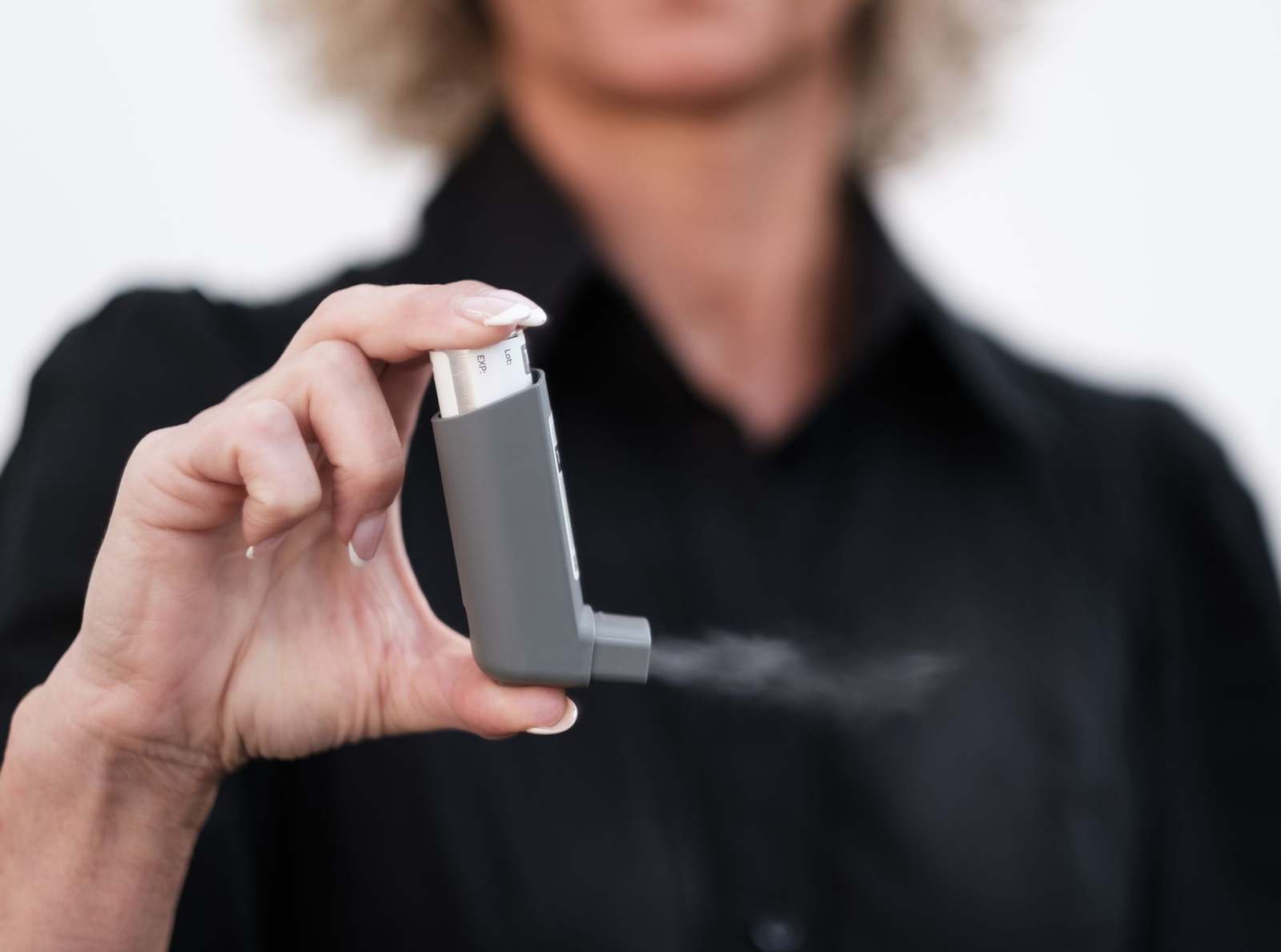
Orally inhaled and nasal drug products are the hardest formulation problem in pharma, and the reason is structural: the dose is produced by the interaction of a formulation, a device, and an inspiratory effort you do not control. Change the actuator orifice and the plume changes. Change the patient’s flow rate and a dry powder inhaler’s dispersion changes. The product only exists at the moment of use.
So the regulatory package is unlike any other drug’s. Aerodynamic particle size distribution by cascade impaction, delivered dose uniformity through the life of the canister, spray pattern and plume geometry, and device robustness across drops and temperature. And because it is a combination product, 21 CFR Part 4 arrives too — design controls for the device constituent, inside a pharma quality system.

Same formulation, different actuator, different medicine. The file has to own both.
Particle Size Is Not a Specification. It Is an Address.
Aerodynamic diameter decides where a particle lands — and therefore whether it is a therapy, a side effect, or an exhaled waste product. This is why cascade impaction data carries your file.
The mouth and throat
Impacts before it turns the corner. Swallowed, not inhaled — this fraction is your systemic side effects, not your dose.
Upper airways
Central bronchi. Useful for some indications, wasted for others — the fraction whose value depends entirely on your target.
The deep lung
The fine particle fraction — the dose that does the work. Almost every formulation decision in this category exists to move mass into this band.
Exhaled
Too small to deposit. It goes in and comes back out — drug you manufactured, released, and gave to the room.
Which is why generic inhalers are so rare. Demonstrating bioequivalence for an OINDP has historically required a weight-of-evidence package — in vitro aerodynamic equivalence, PK, and often comparative clinical endpoints, plus device similarity so patients can use it the same way. Very few reach the market, and that scarcity is a regulatory fact before it is a commercial one.
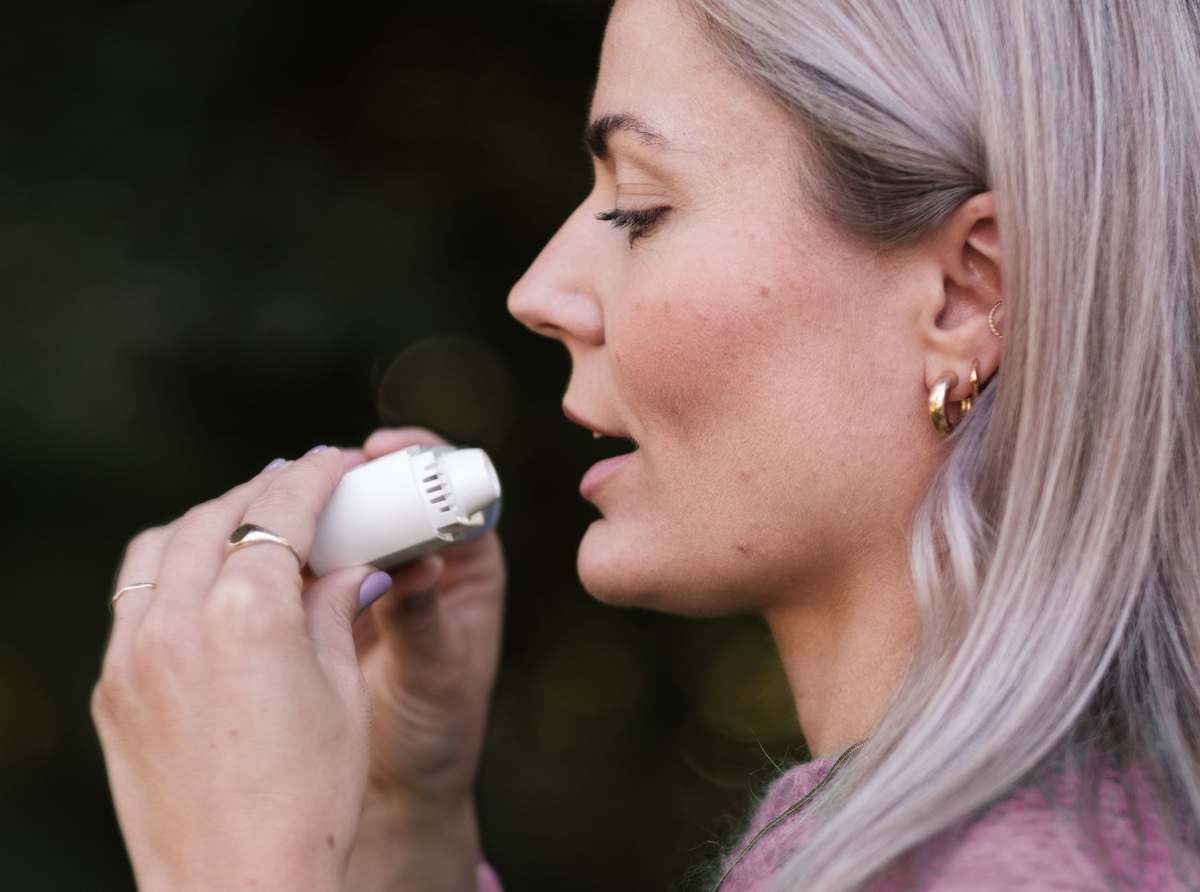
The patient completes the manufacturing process every time they inhale.
The Patient Is the Last Step of Your Process, and They Are Not Trained.
Inhaler technique in the real world is poor — coordination failures with pressurised inhalers, insufficient inspiratory flow with dry powders, priming and shaking steps skipped. Every one of those is a dose that did not arrive, and none of them show up in your bench data. This is why human factors validation in this category is not a device formality: it is an efficacy control.
Then the environmental clock. Pressurised metered-dose inhalers use HFA propellants with high global warming potential, and the industry is transitioning to lower-GWP alternatives — a change that touches formulation, device, and file simultaneously. We plan OINDP programs across the device, the patient, and the propellant transition together, because they are one product.

Only the Fine Particles Reach the Lung. Everything Else Is Overhead.
The 1–5 µm fraction that actually deposits, OINDPs as combination products with device design controls inside the drug file, and patient technique as an efficacy control you have to validate.
What an OINDP Program Plans Around.
Three constants in the hardest formulation category in pharma.
The fine particle fraction — the only part of your dose that reaches the deep lung. Everything else is overhead.
OINDPs are combination products. Device design controls arrive inside your drug submission.
The patient completes your process. Human factors is an efficacy control, not a checkbox.
Six Failure Modes We Are Brought In to Prevent.
Every one of them comes from treating the device as packaging.
Device treated as packaging
A component sourced on price with no design controls — and Part 4 obligations discovered during the filing.
APSD drift through canister life
Beautiful data at first actuation, a different profile at the last — through-life testing that nobody planned.
Flow-rate dependence unexamined
A dry powder inhaler validated at one flow rate, used by patients who cannot achieve it.
Human factors after design freeze
Critical use errors found when the tooling is cut, and a warning in the IFU offered as the mitigation.
Generic route underestimated
An ANDA planned as if aerodynamic equivalence were the whole package, without device similarity or clinical support.
Propellant transition unplanned
A pMDI franchise with no roadmap for lower-GWP propellants — a reformulation arriving on someone else’s schedule.

OINDP Leadership Fluent in Formulation, Device, and Patient.
Our inhalation leads have built APSD packages, run human factors for inhalers, and carried combination-product files through review.
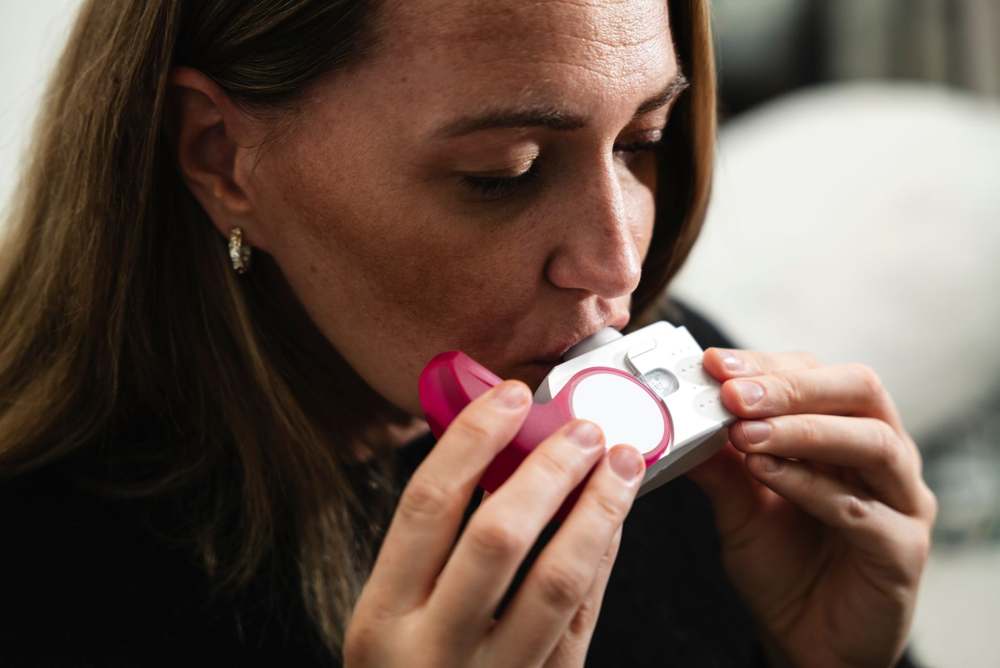
“You do not make the dose. The formulation, the device, and the patient’s breath make it together — and only one of those is under your control.”
The discipline we bring to pMDIs, DPIs, nebulized products, and nasal sprays.
From the newsroom
The record moves. Follow it.
Regulatory News is our independent newsroom — every story sourced to the primary record, published the day it lands. These are the beats that touch this page. RegulatoryNews.com →
Developing an Inhaled Product? Treat the Device as Half the File.
Bring senior OINDP leadership in while the formulation and the actuator are still a joint decision.
Senior-led. Embedded in your team. No junior hand-offs.