Two Constituent Parts. One Product. One Center Decides.
Regulatory strategy for pens, pumps, autoinjectors, and inhalers — where 21 CFR Part 4 makes device engineering a drug submission’s problem.

Free proposal · three minutes
Get your free drug delivery system proposal
No sales call. No account. No obligation.
Which markets matter in the next 18 months?
The Molecule Was Approved Years Ago. The Spring Is What Delays You Now.
A drug delivery system is a combination product: a drug constituent part and a device constituent part, reviewed as one application by whichever center the primary mode of action assigns. For an insulin pen or an autoinjector, that is almost always the drug center — which means device engineering evidence arrives inside a drug submission, judged by reviewers whose default vocabulary is CMC.
Then 21 CFR Part 4 does the thing that surprises pharma organizations: it requires the device constituent to meet device quality-system expectations — design controls, design history, risk management, purchasing controls — inside a company built for GMP. The delivery device is where most drug-device programs lose their schedule, and it is entirely avoidable with the right structure early.

Self-administration means the delivery system is operated by whoever the label lets buy it.
What Each Constituent Part Owes the File.
The application is single. The evidence is not — and the seam between the two halves is where programs stall.
The Drug
Everything the molecule owes, plus what the container does to it.
- CMC, stability, and specifications through shelf life
- Extractables and leachables from the primary container — the plastic is in contact with the drug for years
- Container closure integrity across transport, storage, and use
- Compatibility of formulation and materials, proven not assumed
The Device
Everything a device would owe if it were filed alone.
- Design controls and a design history file — inside a pharma quality system
- ISO 14971 risk management on delivery failure modes
- Human factors validation for lay self-administration
- Dose accuracy and reliability across the product’s life
- ISO 11608 for pen injectors, ISO 11040 for prefilled syringes
The bridge nobody budgets for. 21 CFR Part 4 lets you run one streamlined quality system — but the streamlining only works if you decide early which system is the base and which requirements you are bolting on. Decide late, and you rebuild the QMS during a filing.
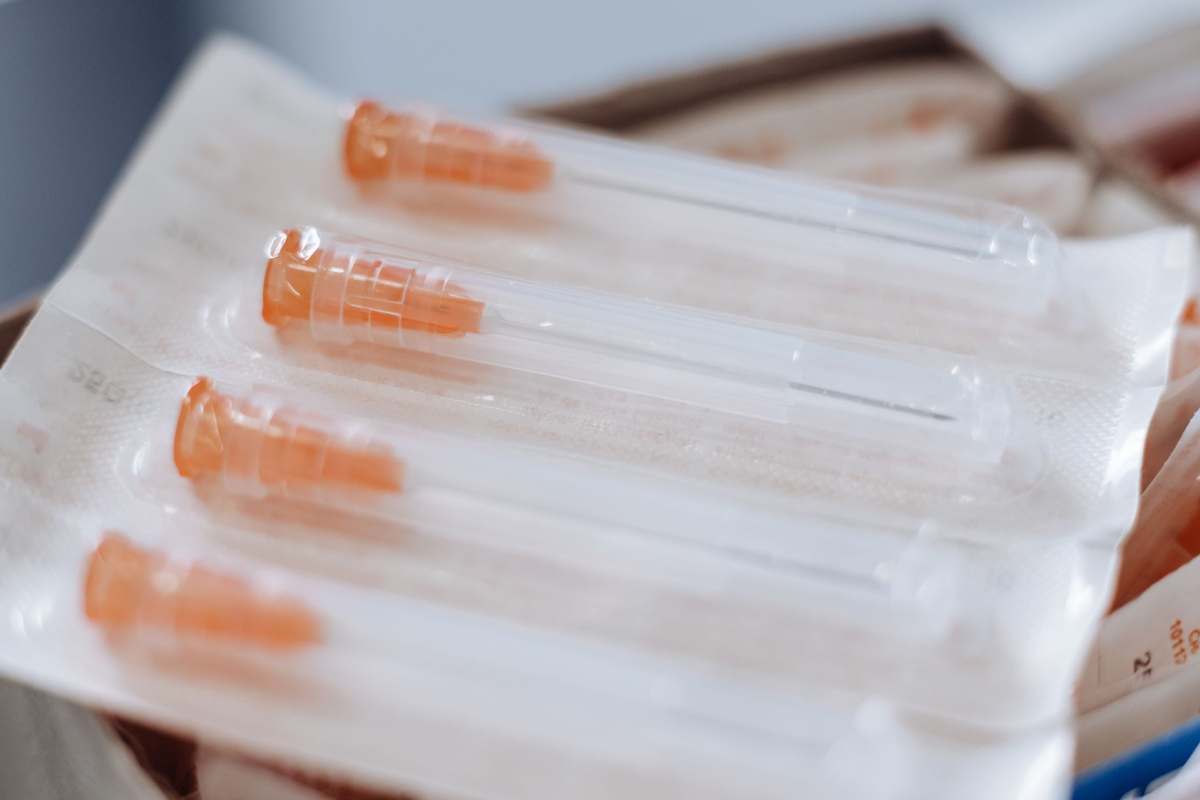
Dose accuracy is not an average. It is a distribution the file has to bound.
The Patient Is Untrained, Frightened, and Sometimes in Anaphylaxis.
Self-administered delivery moves the use environment to a kitchen, a car, a school nurse’s office — and moves the user to someone with no clinical training, possibly with tremor, arthritis, or impaired vision, occasionally during the emergency the product exists to treat. FDA’s human factors expectations for combination products are not a formality: use-related risk analysis and validation with representative lay users decide whether the labeling claim survives.
The history is instructive. Epinephrine autoinjectors have been recalled for devices that failed to activate; a generation of device-differentiated products has been rejected or delayed over human factors and device data rather than molecule questions. We build the HF program and the device file in parallel with formulation — because in this category, the device is the differentiator and the risk.
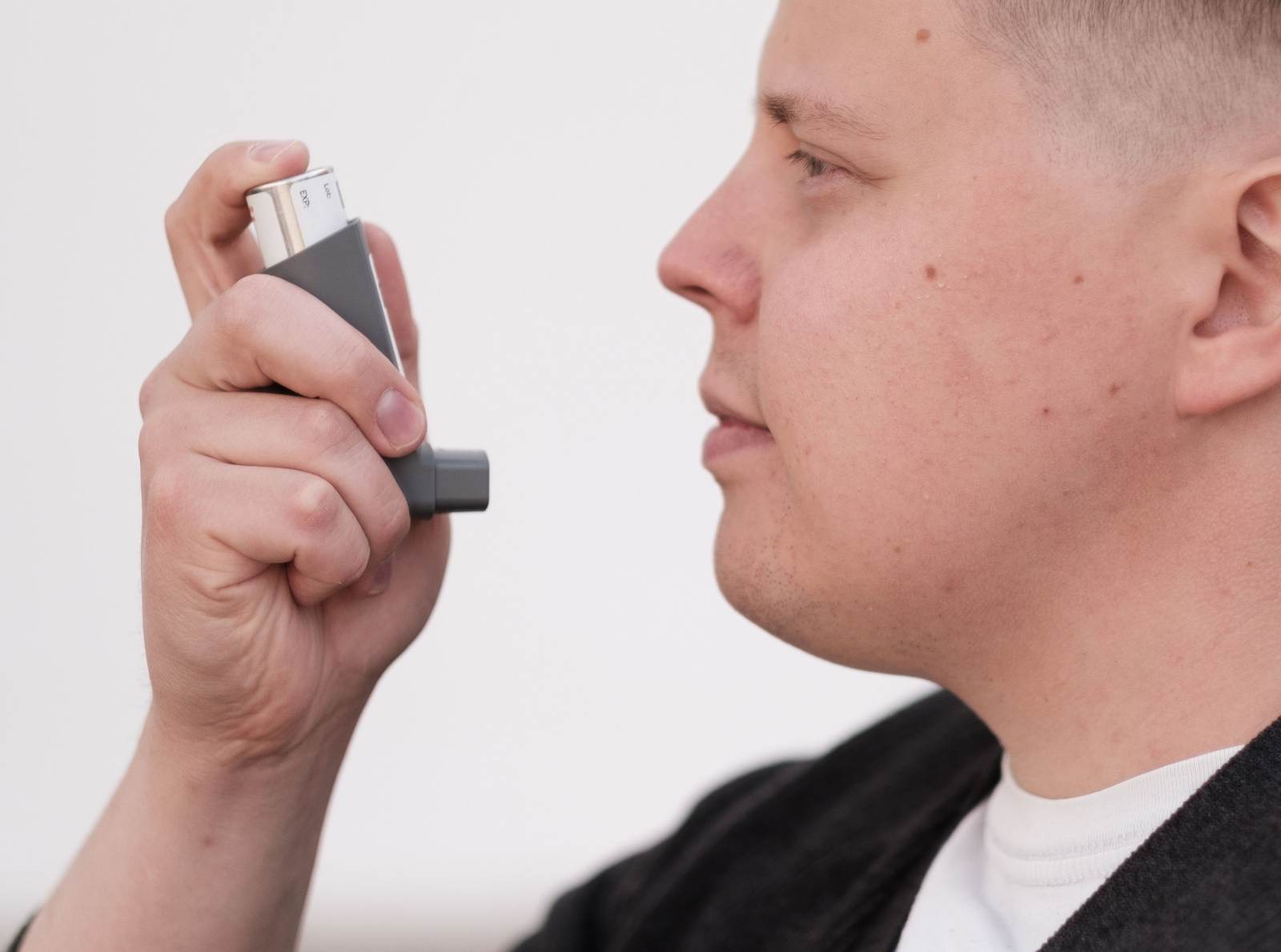
The Drug Decides the Center. The Device Decides Whether Patients Can Use It.
Autoinjectors, inhalers, and pumps are combination products — the primary mode of action sets the lead center, and human factors decides the outcome at the kitchen table.
What a Delivery-System Program Plans Around.
Three facts that decide who reviews you and how long it takes.
Primary mode of action assigns the lead center. It is the first determination and it governs the entire program.
The streamlined quality-system rule — one QMS with the other regime’s requirements bolted on, chosen deliberately and early.
The validation population. Not nurses, not your team — the people the label actually allows.
Six Failure Modes We Are Brought In to Prevent.
Nearly all of them are a pharma organization discovering it is now a device company.
Design controls discovered late
A GMP organization asked for a design history file it never built — reconstructed under filing pressure, badly.
The device supplier as a black box
A platform bought off the shelf whose design file you cannot see and cannot cite, load-bearing in your submission.
Human factors after design freeze
Validation that finds critical use errors when the tooling is cut and the only fix left is a warning nobody reads.
E&L started too late
Leachables data arriving after stability has begun, on a container that turns out to be incompatible.
PMOA assumed, not established
A program planned for one center and assigned to the other — a different application, a different clock.
Device changes treated as sourcing
A component or supplier change managed as procurement, when it was a submission-relevant modification to a combination product.
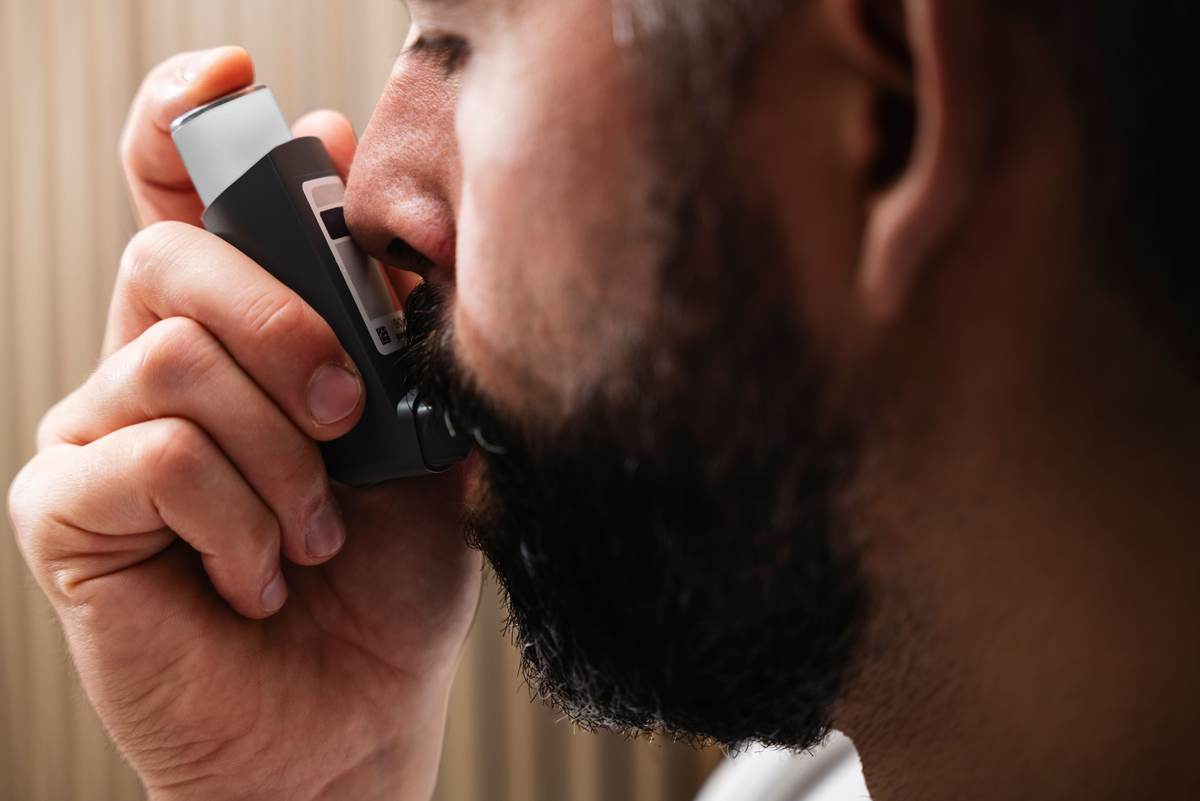
Delivery-System Leadership Fluent in Drug and Device.
Our combination-product leads have built Part 4 quality systems, run lay-user validation, and kept device evidence on the drug program’s critical path.

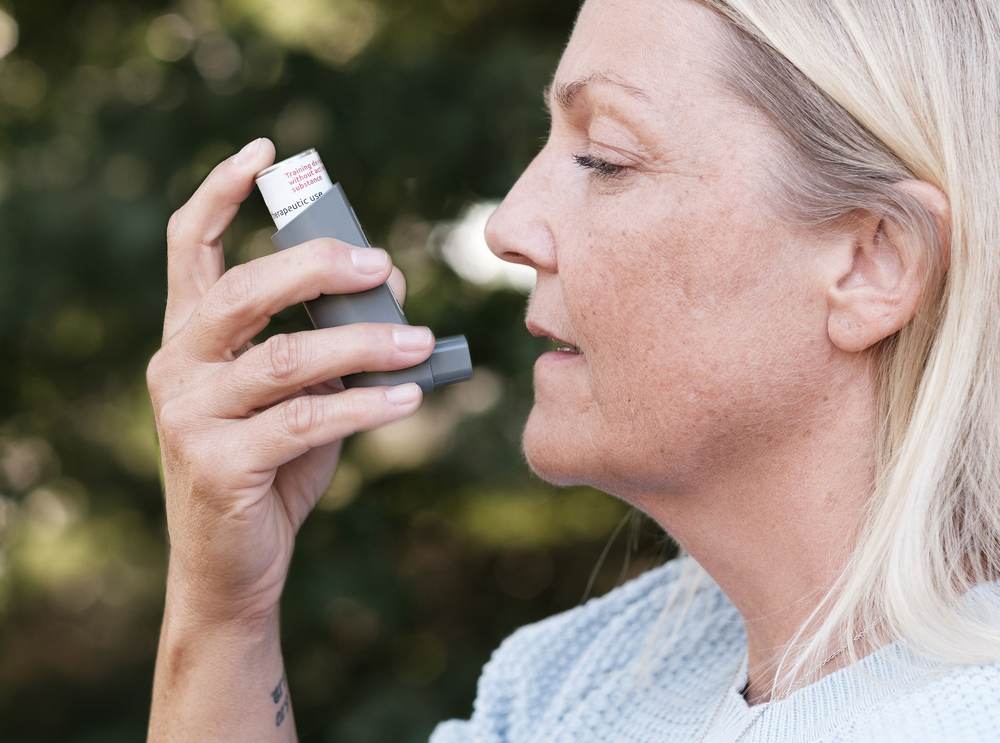
“Pharma companies rarely fail these programs on the molecule. They fail them on a spring, a supplier, and a design history file nobody thought they needed.”
The discipline we bring to pens, autoinjectors, pumps, and inhalation systems.
From the newsroom
The record moves. Follow it.
Regulatory News is our independent newsroom — every story sourced to the primary record, published the day it lands. These are the beats that touch this page. RegulatoryNews.com →
Building a Delivery System? Settle PMOA and Part 4 Before the Tooling.
Bring senior combination-product leadership in while the device is still a drawing.
Senior-led. Embedded in your team. No junior hand-offs.