FDA Just Took the Most Expensive Study Out of Your Program.
Regulatory strategy for biosimilars in the streamlining era — analytical similarity first, switching studies out, interchangeability merged in.
Free proposal · three minutes
Get your free biosimilar proposal
No sales call. No account. No obligation.
Which markets matter in the next 18 months?
The Category Was Built on Studies FDA Now Says It Doesn’t Want.
In October 2025, FDA published draft guidance withdrawing the routine expectation for comparative efficacy studies — on the reasoning that these studies cost roughly $24 million and one to three years while offering low sensitivity compared with modern analytical methods. The agency also stopped recommending repeated switching studies for interchangeability, accepting instead a reasoned assessment against the statutory switching standard.
The direction is explicit: move biosimilars toward the generics model, with analytics carrying the weight. The Commissioner has said both draft guidances are intended to be finalized in the first half of 2026, and a further March 2026 draft goes after certain clinical PK requirements too. Programs designed under the old paradigm are now carrying costs their competitors will not.
FDA’s position: modern characterization detects differences a clinical endpoint would miss.
The Evidence Pyramid, as It Stands Now.
What a 351(k) program still owes — and what the streamlining has taken off the table. The shape of this pyramid is the single biggest cost variable in your program.
Analytical similarity
Extensive structural and functional characterization against the reference product, across lots and shelf life. This tier absorbed the work the clinical tiers used to do — and it is where a program now succeeds or fails.
Required · heavierClinical pharmacology
Comparative PK remains the workhorse bridge. The March 2026 draft opens the door to reducing certain PK study requirements where scientifically justified — a question worth asking in your next meeting rather than assuming.
Required · narrowingComparative efficacy study
No longer routinely recommended. FDA’s stated rationale: low sensitivity relative to analytical assessment. The default has flipped — the question is now whether you need one at all.
No longer routineSwitching study
Replaced by an assessment of why your analytical and clinical data already meet the switching standard in section 351(k)(4)(B). Interchangeability is merging into biosimilarity rather than sitting above it — see what FDA's 2024 draft guidance actually requires in place of the switching study.
No longer recommendedThese are draft guidances until they are final. Which is the strategic point: the savings are real but they are not automatic. They are captured by sponsors who engage the agency early, justify the reduced package on their own molecule’s analytics, and get agreement in writing — not by sponsors who assume a draft applies to them.
Substitution happens at the pharmacy counter, under state law and a payer’s formulary.
Cheaper Development Does Not Mean Easier Business.
The streamlining lowers the cost of entry, which lowers it for everyone — so the differentiators move elsewhere. Reference product sourcing and the bridging studies that connect a US-licensed reference to an EU-sourced comparator. Patent thickets and the BPCIA dance that decide when you can actually launch. Manufacturing cost, because in a commodity market the low-cost producer wins.
And interchangeability still matters commercially even as it gets easier to obtain, because pharmacy-level substitution runs on state law, not just an FDA designation. We plan biosimilar programs against the whole board — the reduced evidence package, the reference sourcing, the litigation clock, and the formulary conversation that decides whether approval turns into volume.
The Comparative Efficacy Trial Is No Longer the Default. The Analytical Package Is.
FDA’s evolving stance moves the weight of a biosimilarity case onto structural and functional characterization — and interchangeability without a dedicated switching study, when the data support it.
What a Biosimilar Program Plans Around.
Three numbers from a category being deliberately rebuilt.
FDA’s own figure for an average comparative efficacy study — 1 to 3 years, and no longer routinely recommended.
The switching standard. Now met by assessment of existing data rather than a dedicated switching study.
When FDA has said it intends to finalize the biosimilarity and interchangeability drafts. Until then: engage, justify, get it in writing.
Six Failure Modes We Are Brought In to Prevent.
In a streamlining era, the new failure mode is assuming the streamlining applies to you.
Draft guidance treated as final
A program de-scoped on the strength of a draft, with no agency agreement on the record for this molecule.
Analytics not strong enough to carry it
The evidence weight moved to characterization — and the characterization package was built for the old paradigm.
Reference product sourcing improvised
EU-sourced comparator with no bridging strategy to the US-licensed product, discovered mid-development.
Residual uncertainty ignored
Analytical differences with no functional explanation — the one thing that still pulls clinical work back into the program.
Launch planned without the patent clock
An approval that cannot be commercialized, because the BPCIA exchange and litigation timeline were somebody else’s problem.
Cost structure of an innovator
A commodity market entered with an innovator’s manufacturing economics — approved, launched, unprofitable.
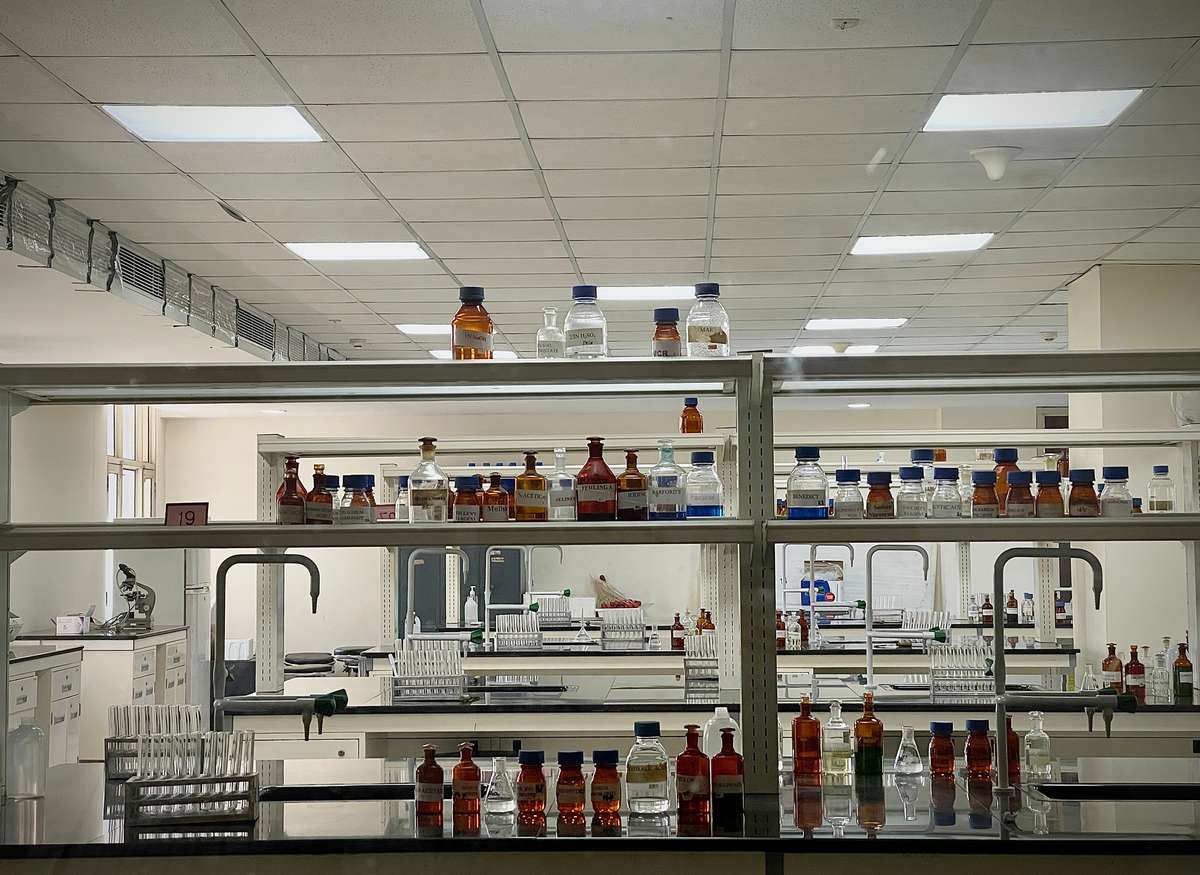
Biosimilar Leadership for the Rules as They Are Now.
Our biosimilar leads have built analytical similarity packages, negotiated reduced clinical programs, and planned launches around the patent clock.

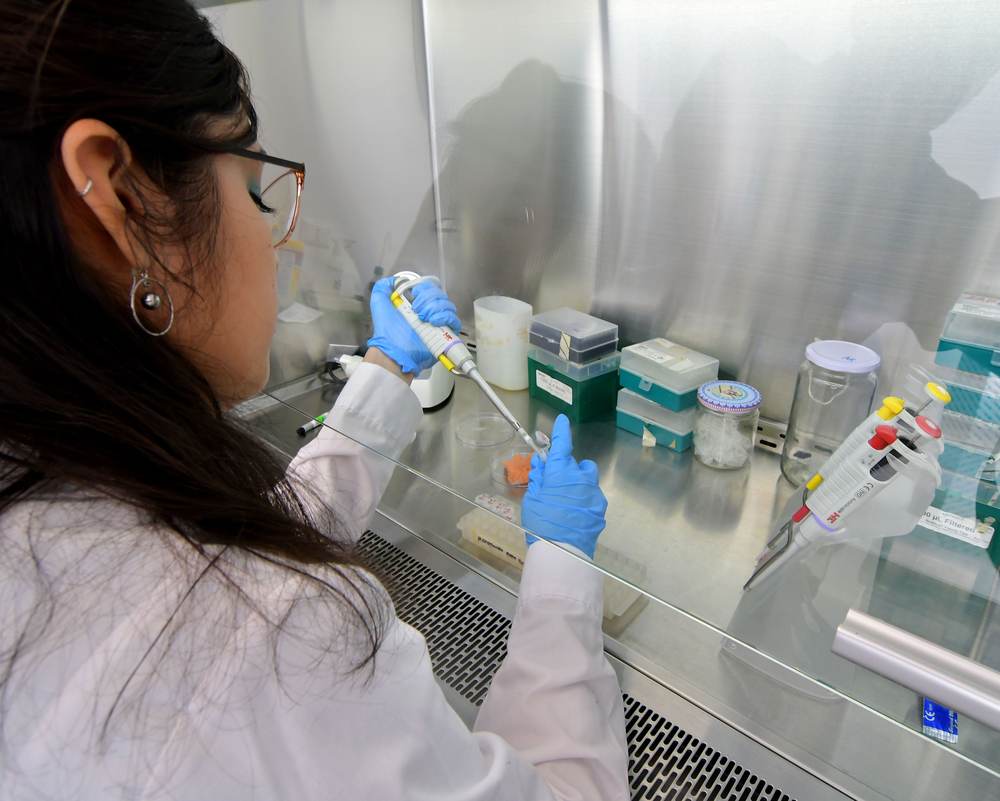
“The savings in the new guidances are real and they are not automatic. They go to sponsors who justified the smaller package on their own analytics — in a meeting, on the record.”
The discipline we bring to 351(k) programs across the streamlining transition.
From the newsroom
The record moves. Follow it.
Regulatory News is our independent newsroom — every story sourced to the primary record, published the day it lands. These are the beats that touch this page. RegulatoryNews.com →
Building a Biosimilar? Re-Scope the Program Against the New Drafts.
Bring senior biosimilar leadership in before you spend $24 million on a study FDA no longer routinely wants.
Senior-led. Embedded in your team. No junior hand-offs.