The Only Product Where Every Lot Needs the Government’s Permission.
Regulatory strategy for vaccines — licensure-scale evidence, lot release, and potency, in a category where healthy people are the patients.
Free proposal · three minutes
Get your free vaccine proposal
No sales call. No account. No obligation.
Which markets matter in the next 18 months?
Your Patient Is Well. That Changes the Entire Benefit-Risk Calculation.
Every other therapeutic is given to someone who is already sick, and the risk tolerance follows from their illness. Vaccines are given to healthy people — often healthy infants — to prevent a disease they do not have. That inverts the math: a rare adverse event that would be acceptable in an oncology drug is a program-ending finding in a prophylactic vaccine, which is why safety databases run to tens of thousands of subjects before licensure.
It also explains the category’s unique machinery: lot release, where CBER reviews and authorizes each production lot before distribution — an obligation no small molecule carries. Add public confidence as a genuine regulatory variable, and you have a category where scientific excellence is necessary and nowhere near sufficient.
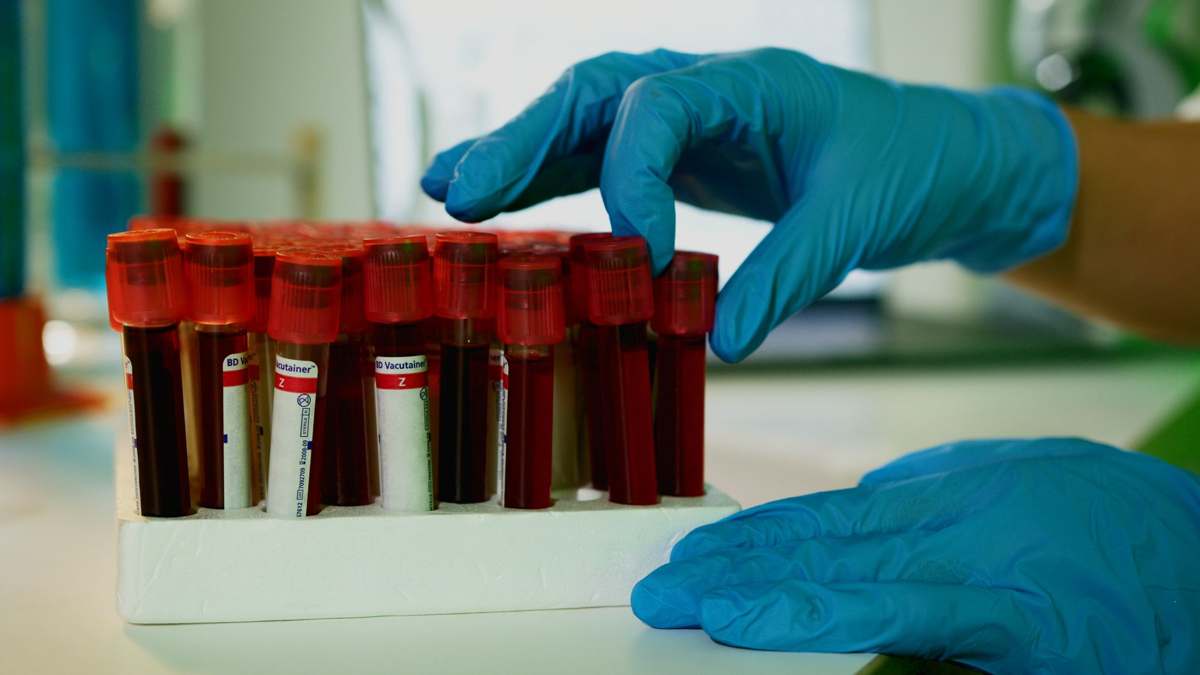
CBER reviews each lot before it ships. Your release testing is a regulatory submission, every time.
Four Phases, and the Last One Never Closes.
Vaccine obligations do not end at licensure — they loop. Each phase generates commitments the next phase inherits.
Development & the correlate question
Is there an accepted immune correlate of protection? If yes, immunogenicity can bridge. If no, you need efficacy in the field — tens of thousands of subjects and a disease that cooperates.
Licensure
A BLA with a safety database sized for healthy recipients, potency assays that measure the right thing, and a VRBPAC appearance that is as much public as scientific.
Lot release
Every lot, reviewed and authorized by CBER before distribution. Protocols, samples, and a testing cadence that makes your QC lab part of the regulatory pathway.
Post-approval, forever
Pharmacovigilance at population scale, post-marketing commitments, ACIP recommendations that decide uptake, and strain changes that restart parts of the loop.
And the loop turns on manufacturing. Vaccines are biologics with living-system variability, made at enormous scale, on timelines set by seasons or outbreaks. A potency assay that drifts, a raw material that changes, an adjuvant that behaves differently at scale — each one meets the lot release gate before it meets a patient. We build vaccine programs with that gate designed in, not discovered.
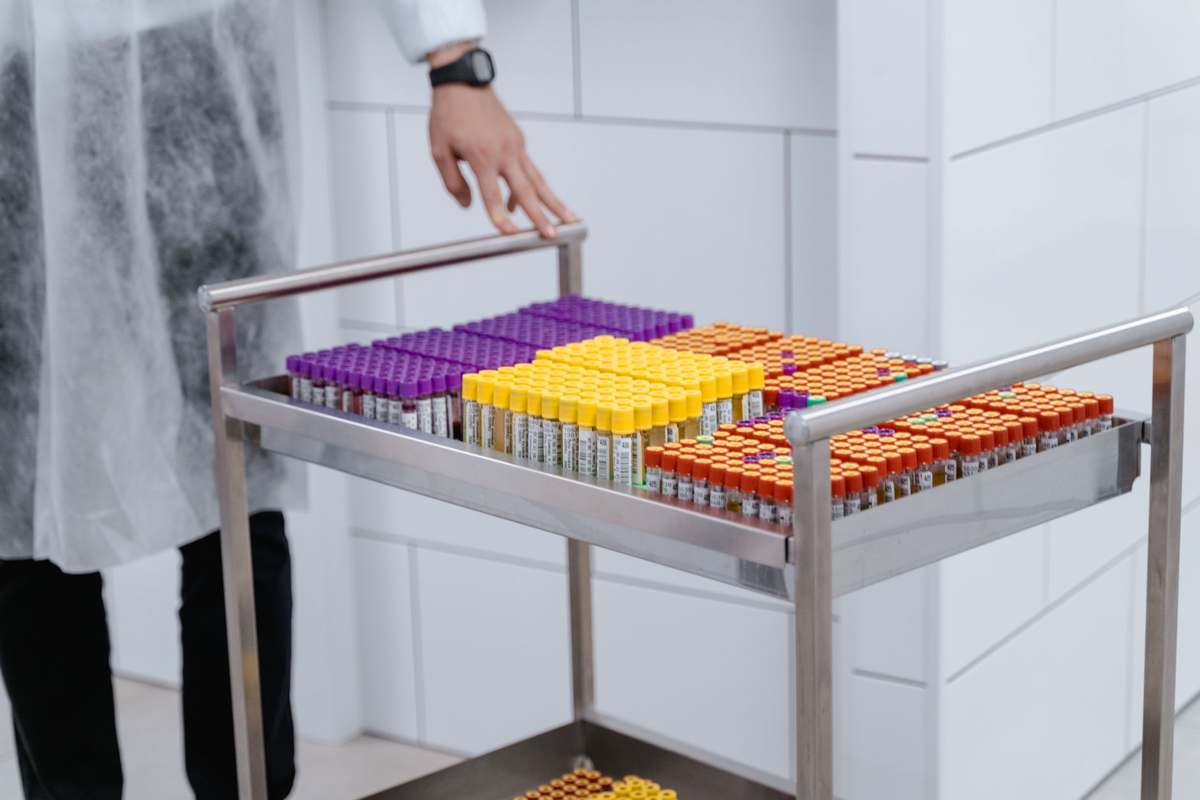
Millions of doses, held at temperature, from fill line to a clinic that may not have a freezer.
The Pandemic Proved the Timelines Can Compress. It Did Not Repeal the Requirements.
COVID-19 demonstrated that vaccine development can move at a pace nobody thought possible — through parallelized manufacturing investment, rolling review, and platform technologies, not by lowering the evidence bar. The lesson worth keeping is structural: the constraint was never the science alone, it was the sequencing of risk and capital.
What did not change: the safety database expectations for healthy populations, the potency and stability work, the cold chain your product design commits you to, and the fact that uptake is decided by recommendation bodies and public confidence, not by your approval letter. We plan vaccine programs across the licensure, the lot-release machinery, and the recommendation pathway together.
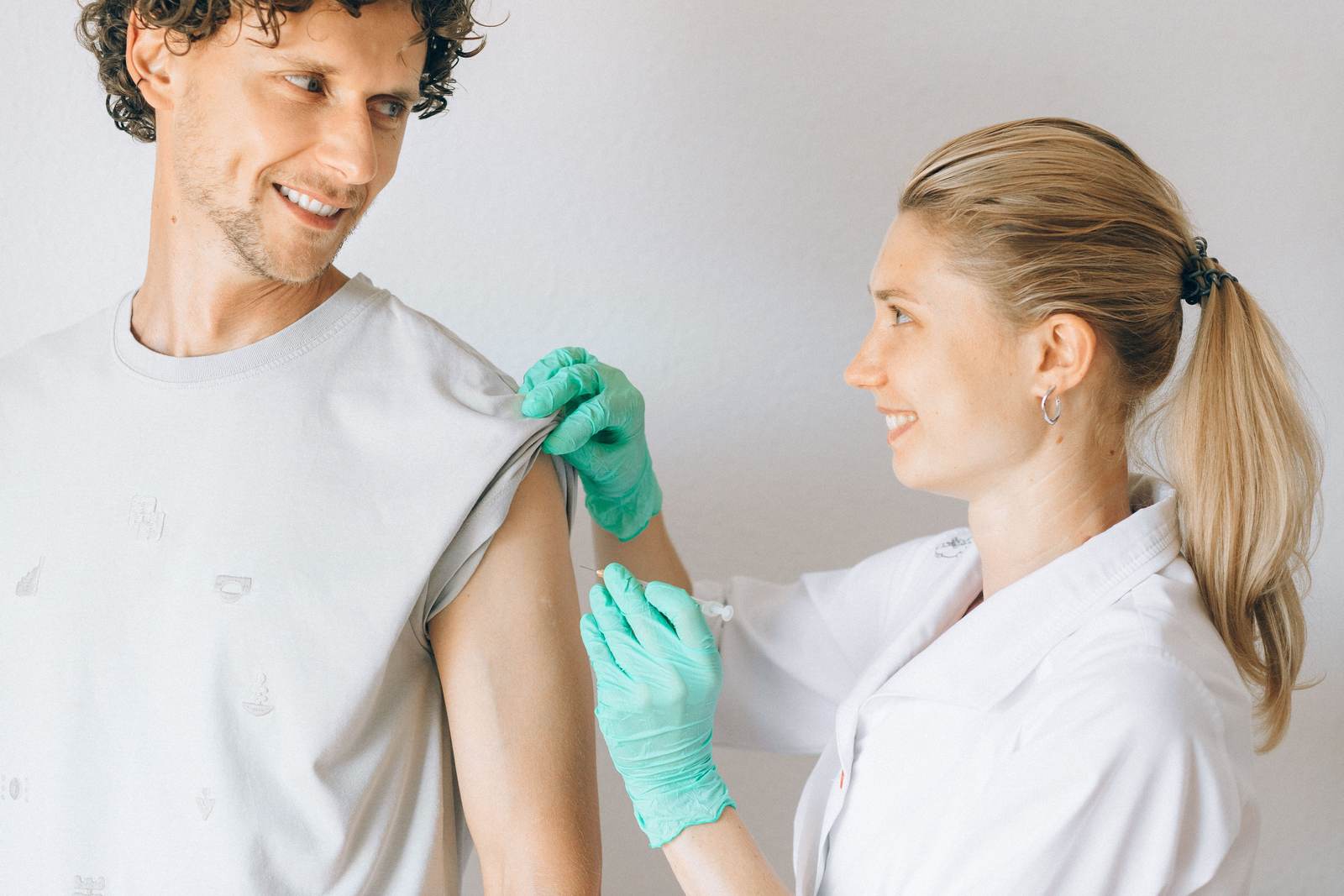
You Are Dosing Healthy People by the Million. The Safety Bar Moves Accordingly.
CBER lot release, the immune correlate that decides your trial design, and a safety database measured in tens of thousands — vaccines carry gates no other product class does.
What a Vaccine Program Plans Around.
Three constants in the category with the least room for error.
CBER authorizes each lot before distribution. No other product class carries this gate.
Whether an accepted immune correlate exists decides if you bridge on immunogenicity or run a field efficacy trial.
The reason your safety database is measured in tens of thousands and your rare-event tolerance is near zero.
Six Failure Modes We Are Brought In to Prevent.
The category rewards preparation and punishes optimism with unusual consistency.
Assuming a correlate exists
A program planned on immunogenicity bridging when the agency has never accepted a correlate for that pathogen — and a field trial appears in the schedule.
Potency assay unfit at scale
A bioassay that worked in development and cannot support lot release at commercial cadence.
Lot release designed in late
Protocols, sample logistics, and testing turnaround treated as QC housekeeping until they become the distribution bottleneck.
Cold chain written by product design
A stability profile that commits you to ultra-cold logistics in markets that do not have them.
Safety database sized for a therapeutic
Powered for efficacy, not for detecting rare events in healthy people — and a reviewer who says so.
Approval mistaken for uptake
A licensed vaccine with no recommendation strategy, in a category where recommendation bodies decide the market.

Vaccine Leadership That Plans Past the Licence.
Our vaccine leads have built licensure packages, stood up lot release, and planned for the obligations that begin at approval.

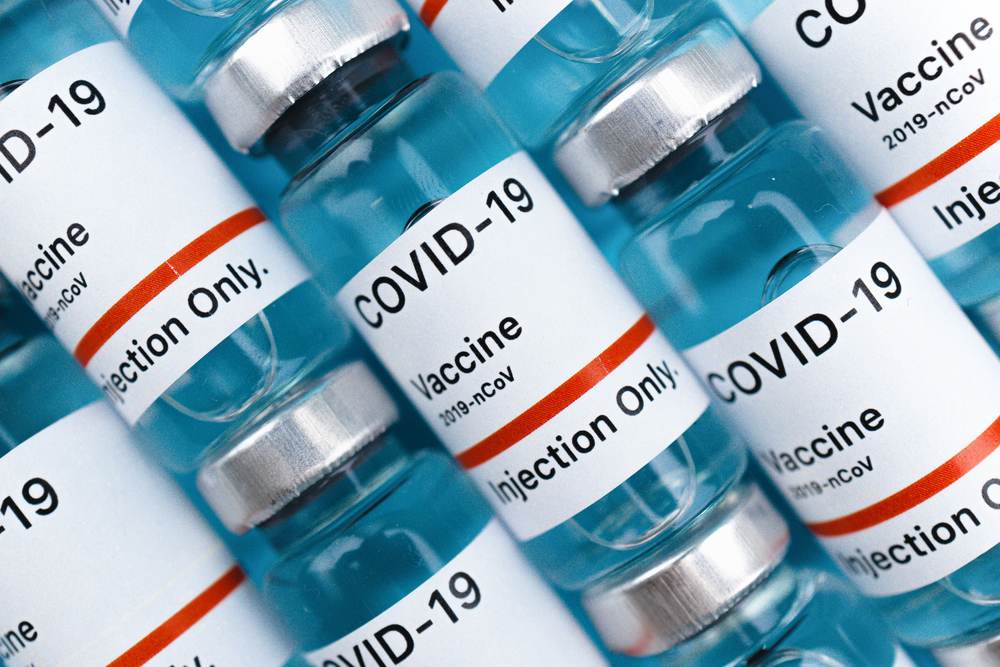
“Vaccines are the only products where the government inspects your homework on every single lot. Design the release gate into the program, or it will design your supply chain.”
The discipline we bring to prophylactic vaccines, adjuvanted products, and novel platforms.
From the newsroom
The record moves. Follow it.
Regulatory News is our independent newsroom — every story sourced to the primary record, published the day it lands. These are the beats that touch this page. RegulatoryNews.com →
Developing a Vaccine? Design for the Gate Before the Trial.
Bring senior vaccine leadership in while the correlate strategy and the potency assay are still decisions.
Senior-led. Embedded in your team. No junior hand-offs.