Companion Diagnostics · CDx
The diagnostic and
the drug, approved
together.
Companion diagnostic strategy that keeps
the assay and therapy on one timeline —
FDA and IVDR, to a single approval date.
Companion diagnostic strategy that keeps
the assay and therapy on one timeline —
FDA and IVDR, to a single approval date.
Free proposal · three minutes
Get your free companion diagnostic proposal
No sales call. No account. No obligation.
Which markets matter in the next 18 months?
A companion diagnostic identifies the patients for whom a drug is safe and effective — and when a therapy's label requires it, the assay becomes a condition of the drug's approval. The two are reviewed against each other and, ideally, cleared on the same day. Treat the diagnostic as an afterthought and it becomes the critical path; plan it as a paired program and it protects the launch.
One intended-use statement, two regulatory files, a single co-development program.
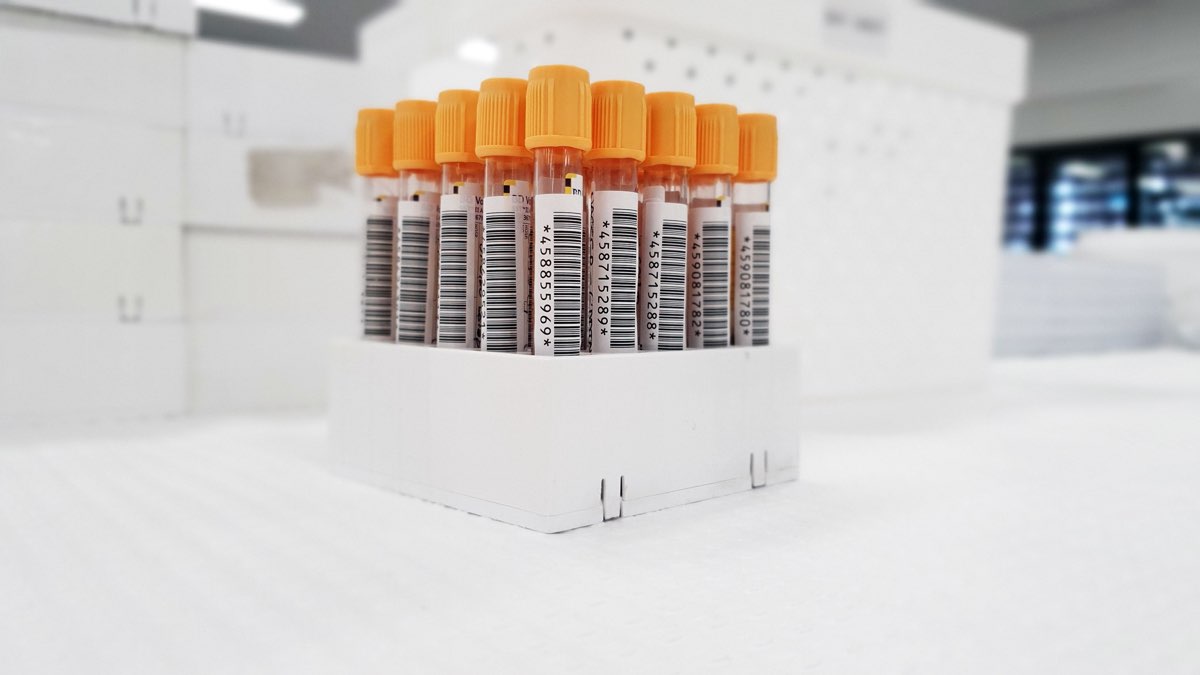
The assay that selects the patient is built alongside the drug, not after it.
Contemporaneous approval only happens when the diagnostic is engineered backward from the drug's filing date. We run the two timelines as one program, so the clinical trial assay, its bridging study, and the market-ready companion diagnostic arrive exactly when the FDA and the therapeutic file need them.
Biomarker hypothesis, patient enrichment, and the pivotal trial that defines the drug's intended-use population.
The trial assay is locked, then bridged to the final device and validated to the standard the FDA will approve.
A companion diagnostic is a regulated device in its own right. The pathway depends on the market, the risk class, and how tightly the assay is bound to the therapy. We select it and build the evidence the reviewer will demand.
The IVD is reviewed by CDRH (or CBER) while CDER or CBER reviews the drug, coordinated so the device clearance and the label decision land together. We build the pre-submission (Q-sub) strategy and, where the data supports it, a Breakthrough Device request to compress the timeline.
Most novel companion diagnostics are Class III and file a PMA under 21 CFR 814; some reach market by De Novo or 510(k). We select the route, scope the analytical and clinical validation, and align the assay's intended use with the drug's labeling claim.
Under IVD Regulation (EU) 2017/746 a companion diagnostic is a high-risk (Class C) device requiring a notified body and a consultation with the EMA or a national competent authority on the medicine's suitability. We prepare the technical documentation and manage the consultation.
Accuracy, precision, and cut-off justification for the analytical file; clinical validity linking the biomarker to outcome for the clinical file — generated under ISO 20916 clinical performance studies and defensible in every region you file.

Europe reviews the assay as a Class C device, with the medicines authority consulted in the loop.
We embed as the regulatory lead for the diagnostic, working across the drug team, the IVD partner, and the agencies so nothing on the assay side ever surprises the therapeutic program.
Market-by-market pathway selection, risk classification, and the co-development plan that ties the assay to the drug's filing date.
Clinical trial assay definition, lock, and the bridging study that carries it to the market-ready device.
Pre-submissions, PMA and De Novo modules, and Breakthrough Device requests, authored and defended through review.
Annex XIV technical documentation, notified-body engagement, and the EMA or competent-authority consultation.
The diagnostic's intended use co-drafted with the drug label so the two claims are consistent and defensible.
PMDA, UKCA, and Health Canada extensions, plus the vigilance and change control that keep the CDx compliant after launch.

The assay's accuracy and precision, proven to the standard that carries a PMA.
Companion diagnostic programs live or die on specifics. These are the frameworks that govern the work, cited the way an agency reviewer expects to see them.
In Vitro Companion Diagnostic Devices — the guidance that defines a CDx and the contemporaneous-approval expectation.
Principles for Co-Development of an IVD Companion Diagnostic with a Therapeutic Product.
The EU definition of a companion diagnostic and the Class C consultation procedure with the medicines authority.
The premarket approval (PMA) framework most novel U.S. companion diagnostics are approved under.
The standard for IVD clinical performance studies that generates the clinical-validity evidence.

Linking the biomarker to outcome — the evidence that makes the test worth running.
Companion diagnostic programs fail in the seams — between the drug team and the IVD partner, between CDRH and CDER, between the FDA file and the IVDR dossier, and between your notified body and the medicines regulator its certificate depends on. Your lead is a senior regulatory practitioner who has run device and drug programs and closed those seams before.
Comfortable on both sides of the co-development table, in the CTD and in the IVD technical file.
Managing CDRH or CBER and CDER reviews toward one approval date.
Annex XIV consultations and notified-body reviews run without stalling the therapy.
We hold the regulatory seat for the diagnostic, not a slide deck about it.

A companion diagnostic sits at the intersection of the drug program and the IVD practice. These are the services CDx sponsors reach for alongside it.
The full IVD regulatory and quality practice the companion diagnostic sits inside, from classification to CE marking.
Explore IVD →When the therapy and its device or diagnostic are regulated as one, coordinated across FDA centers.
Explore Combination Products →Where most companion diagnostics live — biomarker-driven programs and Project Optimus dose optimization.
Explore Oncology →From the newsroom
Regulatory News is our independent newsroom — every story sourced to the primary record, published the day it lands. These are the beats that touch this page. RegulatoryNews.com →
Tell us about the therapy, the biomarker, and your filing timeline. We'll map the companion diagnostic strategy across FDA and IVDR and match you with a senior regulatory lead, with a response within one business day. All inquiries are strictly confidential.