Cell & Gene
Therapy
The science is decades ahead of the playbook. We build the regulatory and CMC strategy that carries a living medicine from first-in-human to approval — and holds it together through every process change along the way.
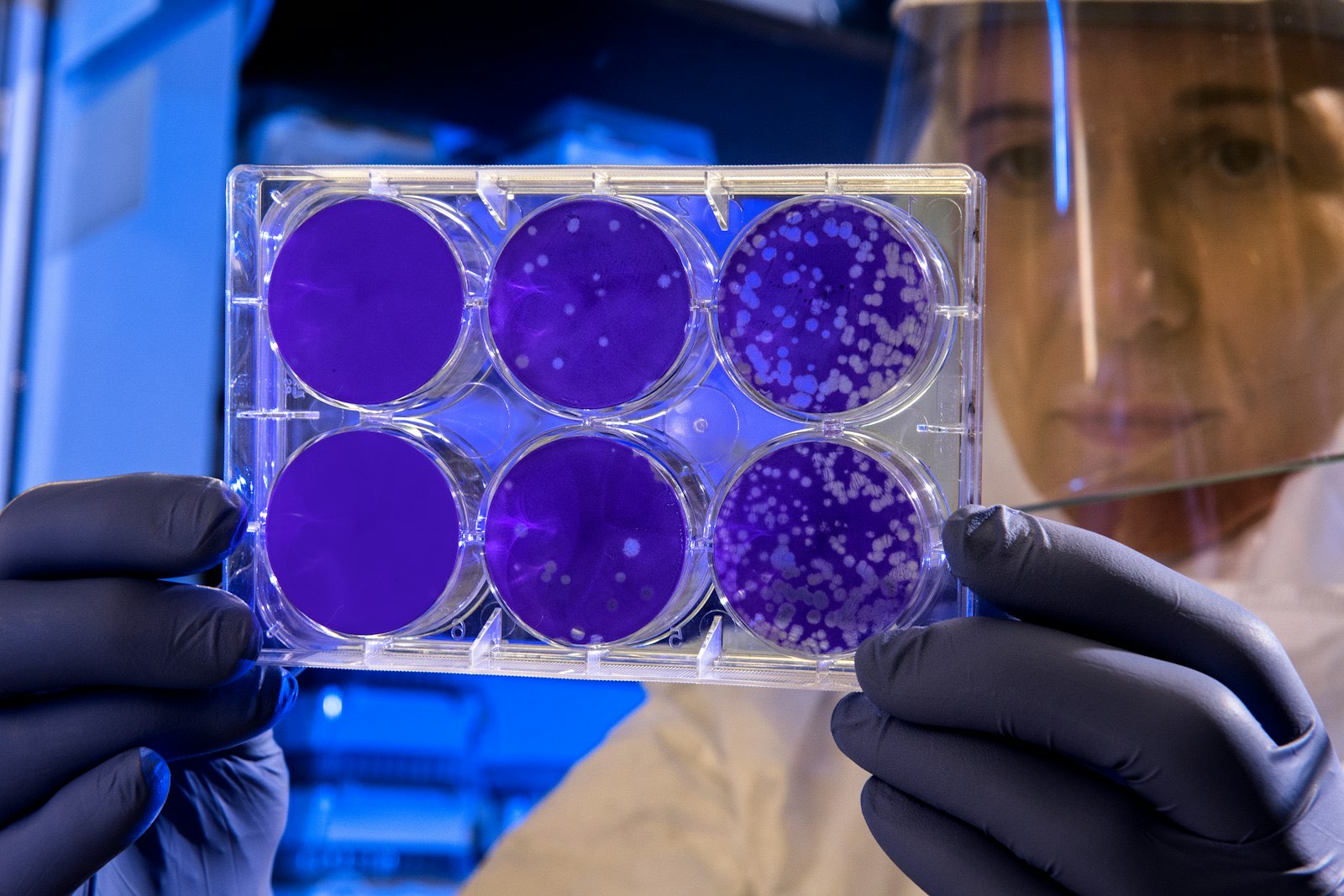
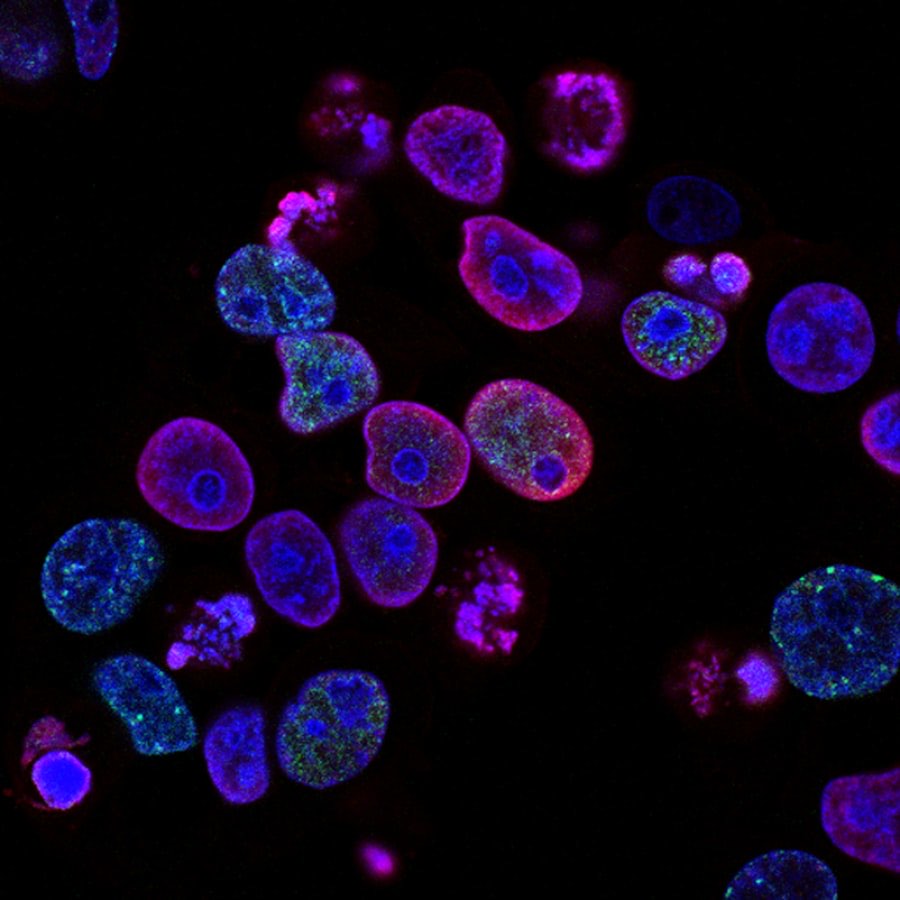
In Cell & Gene Therapy, the Process Isn't How You Make the Product. It Is the Product.
Change the vector, the reagent, the passage number, or the site, and you may have made a different medicine in the agency's eyes. That single fact reshapes every regulatory decision that follows it.

A Chance to Cure.
The biology behind an engineered cell or a corrected gene is genuinely transformative, and the regulators know it. The pathway is built to move fast when the science earns it.
- Durable, potentially one-time therapeutic effect
- Accelerated designations genuinely within reach
- Small, fast trials that reach patients early
- A regulatory framework built to say yes to it

Proof It's Controlled.
The same speed cuts the other way. The framework moves fast only when the manufacturing and analytics keep pace, and for most programs that is exactly where the clock runs out.
- A potency assay that predicts clinical effect
- Comparability defended across every process change
- Controlled starting materials, vectors, and reagents
- Up to fifteen years of long-term follow-up
The programs that stumble rarely have a science problem. They have a CMC and comparability problem that surfaced too late to fix on the timeline the science created. Getting ahead of it is the whole job.
One Framework, Built Around Your Modality. Not Bent to Fit It.
The regulatory questions for an autologous CAR-T are not the questions for a systemic AAV. We staff and strategize to the modality actually in front of us.

An autologous CAR-T and a systemic AAV share a category and almost none of the same questions.
Autologous and allogeneic CAR-T and TCR programs, from vein-to-vein logistics to potency.
In vivo AAV and lentiviral programs where vector quality and biodistribution drive the file.
CRISPR, base, and prime editing, including the off-target and specificity questions regulators now expect.
Pluripotent and stem-cell-derived products, with the tumorigenicity and differentiation controls they demand.
Cancer vaccines, neoantigen platforms, and oncolytic viruses, including shedding and environmental risk.
Combination and tissue-engineered products spanning the biologic, device, and ATMP frameworks at once.
Live biotherapeutics and engineered microbial products navigating a framework still being written.
Vector or cell platforms carrying several indications, where one CMC story has to serve them all.
Six Places CGT Programs Stall. And Where a Clinical Hold Actually Comes From.
CBER doesn't place a promising therapy on hold because the biology is weak. It happens at the seams between the science and the file. These are the seams, and the work each one takes to close.

Rarely a science problem. Almost always a CMC and comparability problem that surfaced too late.
Potency & Analytical Characterization
The single most common source of CGT holds: a potency assay that doesn't yet reflect mechanism of action, backed by a matrix that can't fully characterize a living product.
Comparability Across Process Changes
Every site move, scale-up, reagent swap, or vector lot is a comparability exercise. Defended before the pivotal, it's routine. Discovered after, it can cost you the trial.
Starting Materials, Vectors & Reagents
The living supply chain that can halt a program: donor material you don't fully control, viral vector in scarce supply, and critical reagents that were never qualified for GMP.
Chain of Identity & Custody
For an autologous therapy, a labeling or tracking error is not a paperwork issue. It is a patient-safety event, and inspectors treat the whole vein-to-vein chain as such.
Sterility, Safety & Rapid Release
A product with a shelf life measured in hours can't wait fourteen days for classical sterility. Rapid methods, replication-competent virus testing, and real-time release have to be designed in.
Durability, Long-Term Follow-Up & Post-Approval
Gene therapies carry up to fifteen years of follow-up for delayed effects. Designed late, it becomes an open-ended liability; designed early, it's a controlled, fundable plan.
Filing a first-in-human IND for a cell or gene therapy? The CMC section is where CBER decides whether you start on time.
Talk to an Expert TodaySenior Regulatory and CMC Leadership, From Bench to Long-Term Follow-Up.
We embed as fractional leaders across the life of the program, at the altitude each stage demands. Not a report handed over the wall, but a hand on the file.

Discovery to IND
Pre-IND and INTERACT strategy, the CMC and nonclinical package, and the first-in-human enabling work that decides whether the IND opens clean.
Pre-IND meeting package and briefing book

Clinical & Designations
RMAT, Breakthrough, PRIME, and orphan strategy, with comparability held together as you scale and every agency interaction sequenced to move the program.
Designation strategy built into the clinical plan

BLA / MAA
The marketing application authored and filed, potency and comparability defended, and the site brought through a pre-license inspection with CBER or CAT.
Filing and inspection, not just authoring

Launch & LTFU
Long-term follow-up, post-marketing commitments, registries, and the lifecycle change management that keeps every future process move defensible.
The fifteen-year obligations, planned from day one
The Designations That Compress Timelines, Sequenced So They Actually Land.
RMAT, PRIME, Breakthrough, and orphan status aren't trophies. Each one buys agency access and speed, but only if you qualify at the right moment with the right data. We map which fit and when to file.
-
The right designation at the right data readiness
RMAT needs preliminary clinical evidence, not a promise. File too early and you spend a rare agency interaction proving you weren't ready. We time each request to the data that carries it.
-
US and EU run in parallel, not in sequence
RMAT or Breakthrough alongside PRIME, orphan status in both regions at once, with a single comparability and CMC narrative built to answer CBER and CAT from the same package.
-
Access converted into decisions
A designation only pays off if the extra meetings it unlocks change the program. We come to each interaction with the question that needs answering, not a status update. See accelerated pathways.
People Who Have Filed These Programs. Not Read About Them.

The people writing your CMC and regulatory strategy have sat across the table from the Office of Therapeutic Products, answered the Committee for Advanced Therapies on an ATMP, and carried a comparability package through a pre-license inspection. In a field this young, that experience is scarce, and it is the difference between a clean IND and a clinical hold.
-
CBER / OTP and EMA / CAT fluency
We know how the reviewers of advanced therapies actually weigh a file, because we've worked opposite them. The strategy is written for the people who will read it.
-
CMC and quality under one roof
Potency, comparability, and the quality system that survives a pre-license inspection are built alongside the regulatory strategy, not in a different silo.
-
Fractional senior leadership, not a staffing pool
An operator embedded in your program, accountable for outcomes, scoped and priced up front, per how we work.
Building a Living Medicine? Start the Strategy Before the Process Locks.
The time to design your comparability, potency, and CMC strategy is before the pivotal process is set, not after CBER asks about it. The first conversation is thirty minutes, under NDA, no obligation, and an honest read on where your program is exposed.
We typically respond within one business day.