The Evidence Is Clinical. The Pathway Is Its Own.
Regulatory strategy for medical devices and diagnostics — where approval turns on clinical performance and human factors, not a molecule's data.

Devices and Diagnostics Aren't Judged Like Drugs.
A drug earns approval on what a molecule does in the body. A device earns it on how a physical or software product performs in clinical use — proven in bench testing, human factors, and clinical evidence sized to the risk it carries. A diagnostic earns it on whether its result is accurate and, increasingly, whether acting on that result changes what a clinician does. The evidence, the standards, and the pathway are their own.
Across every therapeutic area, the device and diagnostic dimension carries demands a drug program never meets: predicate strategy, design controls, usability, and a risk-based route from 510(k) to PMA. We bring the senior device and IVD regulatory judgment that sizes that evidence correctly the first time.
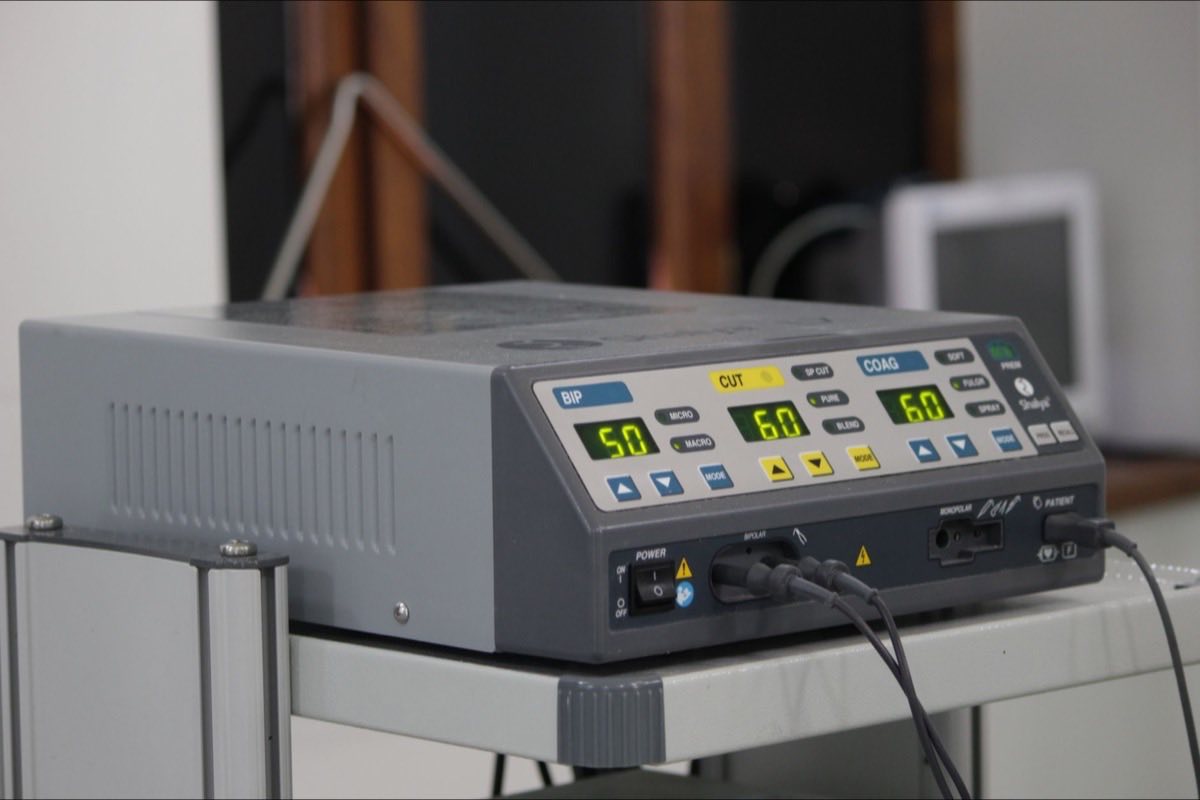
Five Modalities. Five Different Bars.
“Medical devices and diagnostics” is not one regulatory problem. Each modality answers to its own kind of evidence, and matching proof to modality is where the strategy lives.
Risk Sets the Bar
In devices and diagnostics, the evidence you owe scales with the risk the product carries and the decision it drives. Get that match right and the program is sized correctly from day one.
The Clinical Worlds Devices and Diagnostics Serve.
A device or diagnostic sits inside a clinical specialty, and the specialty shapes the endpoint, the comparator, and the evidence the division expects.
Cardiac & Structural
Structural heart, electrophysiology, and rhythm devices, where implant performance and long-term outcomes define the trial.
Neuro & Orthopedic
Neurostimulation, spine, and joint devices, judged on restored function, durability, and revision rates.
Ophthalmic & ENT
Vision and hearing devices and diagnostics, where the endpoint is a measured sense restored.
Imaging & Radiology
CT, MRI, ultrasound, and AI reads, validated on standalone and reader performance across real-world variation.
IVDs & Companion Diagnostics
Assays that guide therapy, co-developed and co-approved with the drugs they select patients for.
Digital Health & SaMD
Algorithms and connected devices, cleared on clinical evaluation and governed by a change-control plan.
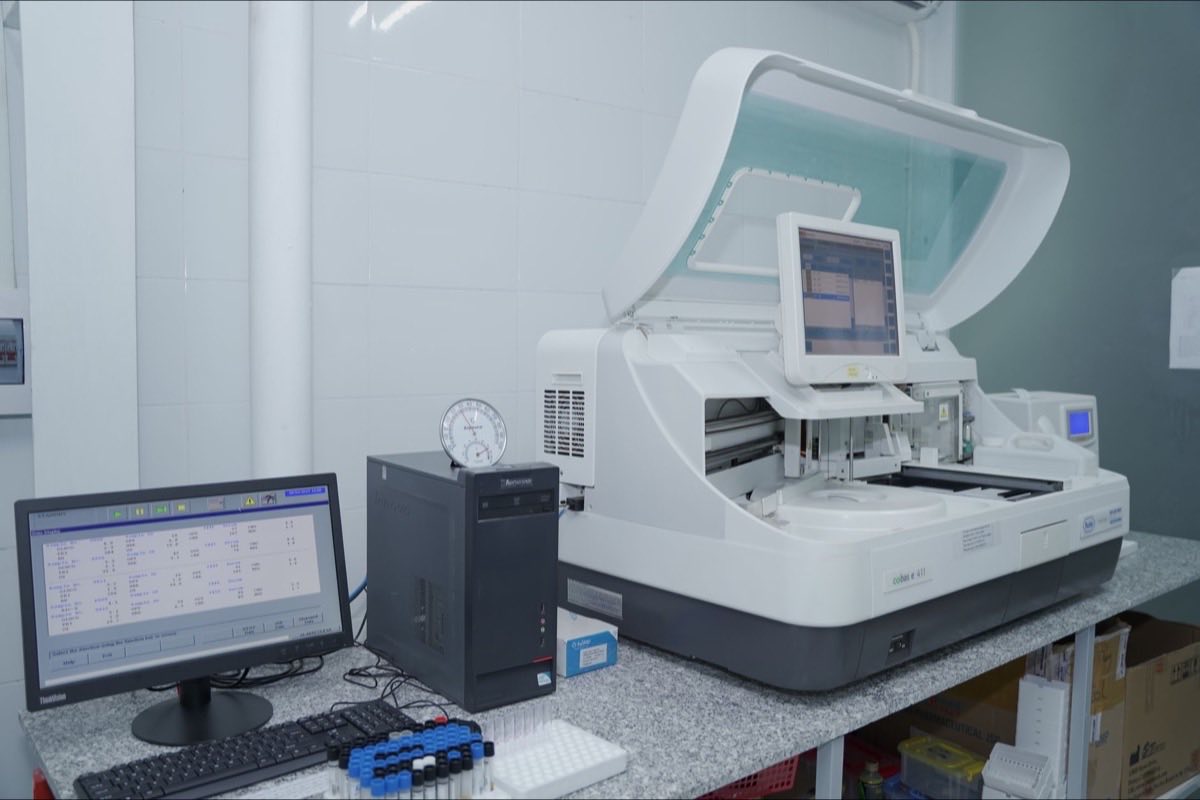
A Diagnostic Is Judged on the Decision It Drives.
Sensitivity and specificity get a diagnostic in the door. What increasingly decides its fate — with the FDA and with payers — is clinical utility: does acting on the result actually improve outcomes? A test that is accurate but changes nothing is a hard case to make.
We build the evidence story that connects analytical performance to clinical validity to utility, and — for a companion diagnostic — keep it locked in step with the therapeutic it enables.
Three Demands Unique to Devices and Diagnostics.
Beyond safety and effectiveness, a device answers to obligations a pharmaceutical program simply does not have — and each one can decide the submission.
Usability and use-related risk analysis under IEC 62366, because a device that is safe only when used perfectly is not safe.
The risk-based route — 510(k), De Novo, or PMA — turns on classification and predicate, and it sets the entire evidence burden.
Real-world performance, complaint handling and MDR reporting that regulators expect a device to run for its whole life.
Six Failure Modes We Are Brought In to Prevent.
None come from weak engineering. They come from mismatching the evidence to the risk, the pathway, or the clock.
The wrong predicate
Anchoring a 510(k) to a predicate that does not truly fit, and losing a cycle to a Not Substantially Equivalent decision.
Clinical evidence sized wrong
Running a pivotal trial the pathway never required — or bringing a bench file to a claim that needed patients.
Human factors as an afterthought
Treating usability as documentation, then meeting a use-error finding at submission when it is expensive to fix.
Companion diagnostic mistimed
Letting the drug and its companion diagnostic drift out of sync, so one approval waits on the other.
SaMD change control missing
Shipping algorithm updates with no predetermined change-control plan, turning every improvement into a new submission.
Post-market underbuilt
A complaint and MDR system that cannot withstand the inspection every marketed device eventually gets.
Device and Diagnostic Regulatory Leadership, Across the Clinical Map.
Our device and IVD leads have taken products through 510(k), De Novo, and PMA, run the IDE studies behind them, and built the human-factors and post-market systems the reviewer expects.

“A device program is won on the evidence you don't have to generate as much as the evidence you do. The skill is matching proof to risk, and defending that match to the reviewer.”
The discipline we bring across therapeutic devices, imaging, IVDs, companion diagnostics, and SaMD.
Bringing a Device or Diagnostic to Market? Match the Evidence to the Risk From Day One.
Bring senior device and diagnostics regulatory leadership in early — while the predicate, pathway, and clinical-evidence plan are still open.
Senior-led. Embedded in your team. No junior hand-offs.