Medical Devices
Industry
Every device is a system of evidence — design history, clinical data, quality records. We build files that clear reviewers and survive inspectors.

Free proposal · three minutes
Get your free medical device proposal
No sales call. No account. No obligation.
Which markets matter in the next 18 months?
A Device Isn't Approved Once. It's Kept Approved Every Day It's on the Market.
Drugs get approved and hold still. Devices iterate: new suppliers, new software, new claims, new versions. Every change reopens a regulatory question. We run the lifecycle as one continuous file, so no stage gets built on a gap left by the last one.

A device is never approved once. It's kept approved every day it's on the market.
Classify & Chart the Pathway
Classification, predicate landscape, and market sequencing: the decisions that fix your evidence burden, your budget, and your clock before a single test is run.
Where it slipsA classification call that's wrong by one class is wrong by one to three years.
Design Under Control
Design controls that start with the first sketch, not the first audit: user needs, design inputs, and an ISO 14971 risk file that grows with the device instead of chasing it.
Where it slipsA DHF reconstructed the month before an inspection reads exactly like one.
Prove It
Verification, validation, biocompatibility, human factors, and clinical evidence sized to the claim you actually want on the label. No more, no less.
Where it slipsTesting to the wrong edition of a standard is the most expensive way to pass.
Clear the Market
A 510(k), De Novo, or PMA built around the reviewer's questions, pressure-tested in Pre-Subs, and answered before the deficiency letter gets drafted.
Where it slipsOne Additional Information request can double your total review time.
Make It, Every Time
Design transfer, process validation, supplier controls, and a QMSR-grade quality system that produces the same device the file describes, at scale.
Where it slipsDesign transfer is where paper meets production. Inspections start there too.
Keep It There
Complaints, MDR reporting, vigilance, post-market surveillance, and change control that keeps a decade of iterations inside one defensible file.
Where it slipsMost device warning letters cite post-market failures, not premarket ones.
Three Doors Into the US Market. We've Taken Devices Through All of Them.
The pathway decision is a strategy decision: it sets your evidence burden, your timeline, and your competitive moat. We make it deliberately, then build the submission the reviewer expects to see.
510(k) Clearance
The most traveled route, and the most underestimated. Substantial equivalence is an argument, not a form, and weak predicate logic is the leading source of Additional Information requests.
- Predicate and reference device strategy
- Performance testing mapped to current FDA guidance
- Pre-Submission when the predicate is debatable
- AI-request responses that close the file, not reopen it

De Novo Classification
For devices too novel for a predicate but too low-risk for a PMA. You're not just clearing a product; you're writing the classification regulation your competitors will file against.
- Risk-based classification argument, built from first principles
- Special controls shaped with FDA, not handed to you
- Benefit-risk framing that anticipates the review memo
- First-mover advantage: your device becomes the predicate

PMA Approval
A PMA is a full scientific case for safety and effectiveness, reviewed module by module and inspected site by site. It rewards the teams who planned the whole arc before the IDE was filed.
- Clinical and IDE strategy from first-in-human onward
- Module-by-module assembly and gap review
- Advisory panel preparation, if it comes to that
- BIMO and preapproval inspection readiness
Not sure which door, or whether FDA will agree with your pick? That's what Pre-Submissions are for. We write Q-Subs that get real answers instead of polite acknowledgments (see FDA Meeting Strategy), and where the profile earns it, we fold in Breakthrough Device or STeP designation via Accelerated Pathways.
21 CFR 820 Is Gone. Your Next Inspection Won't Run Like Your Last One.
On February 2, 2026, FDA's Quality Management System Regulation took effect, retiring the QSR that governed device quality for nearly three decades and incorporating ISO 13485:2016 by reference. Most quality systems were written for the old rulebook. Inspections this year are being run against the new one.

The four-subsystem inspection your team rehearsed for years is history.
The four-subsystem inspection your team rehearsed for years is history. Device inspections now follow FDA's new compliance program, and the first QMSR inspection cycle is already underway.
Get QMSR-Ready-
One framework, two masters
ISO 13485:2016 is now US law, but with FDA-specific additions layered on top: complaint files, labeling and packaging controls, and records requirements a bare ISO audit never covered.
-
Your certificate is not a shield
FDA will not require, issue, or accept ISO 13485 certificates in place of inspection. Certified manufacturers still get inspected, and certification gaps against QMSR still become 483 observations.
-
The gap is in the seams
Terminology, management review, risk-based documentation, supplier controls: the differences look small on paper and large in a 483. A gap assessment now costs less than a finding later.
From Implantables to Algorithms.
Device regulation punishes generalists. Each modality carries its own guidance stack, its own testing regime, and its own failure modes, so we staff people who've lived the one you're building.
Implantables & Orthopedics
Class II and III implant programs: biocompatibility strategy, mechanical and fatigue testing, clinical evidence, and the lifetime post-market data burden implants carry.
SaMD & AI-Enabled Devices
Software that is the device: IEC 62304 lifecycles, cybersecurity documentation, and change-control plans that let algorithms improve without a new submission.
AI & ML ComplianceDiagnostics & Imaging Systems
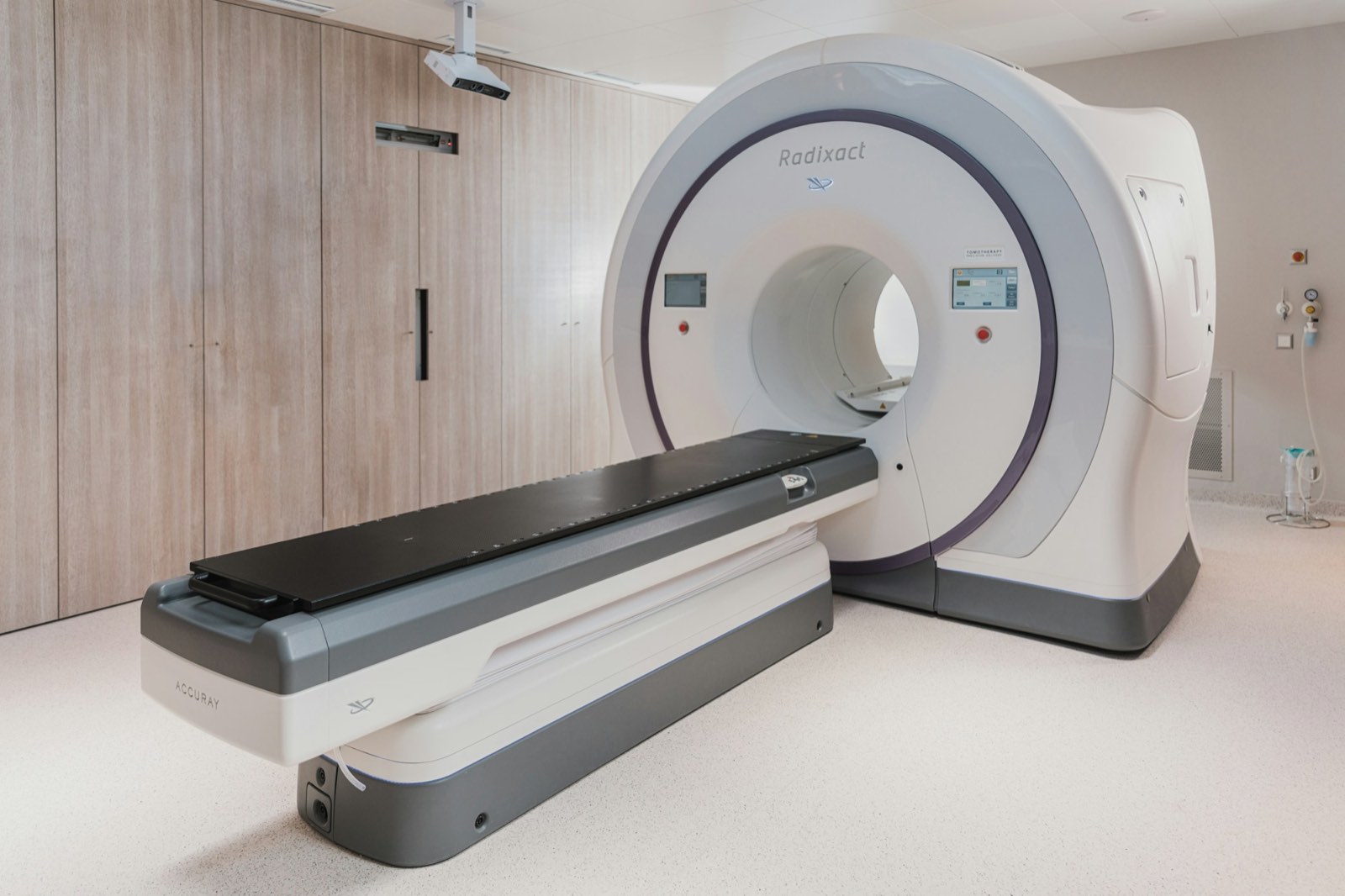
Capital equipment realities: performance standards, electrical safety and EMC, reader studies, and installations that put your QMS in fifty hospitals at once.
Combination Products
Drug-device combinations and the jurisdictional chess that comes with them: RFDs, streamlined cGMP, and two review divisions that both expect to be satisfied.
Combination ProductsSingle-Use & Sterile Devices
Sterilization validation under EO scrutiny, packaging and shelf-life evidence, and supply chains where one resin change is a regulatory event.
Wearables & Digital Health
The wellness-to-medical-device line, drawn deliberately: claims architecture that keeps your marketing ambitious and FDA enforcement uninterested.
Device regulation doesn't grade on effort. Bring in people who've already made your mistakes, at someone else's company.
Get a Free ProposalSenior Device Operators. Not a Team of Generalists.

Regulatory directors who've signed 510(k)s under their own names. Quality leads who've hosted FDA and a notified body in the same quarter. Engineers who've carried a device from napkin sketch through design freeze to field action, and who know exactly which shortcuts come back. That's the difference between advice and judgment: our people have lived the consequences of these decisions.
-
Both sides of the Atlantic, one team
FDA and EU MDR / IVDR run in parallel, not sequence: one evidence plan feeding the 510(k) and the technical file, so you never pay for the same test twice.
-
Fractional leadership or fixed-scope projects
Take a fractional RA/QA leader for the year, or a submission as a defined project: scope, timeline, and price locked up front, per how we work.
-
Fluent in engineering
We read drawings, tolerance stacks, and test protocols. The conversation with your engineers happens in their language, not in compliance-speak they'll quietly ignore.
From the newsroom
The record moves. Follow it.
Regulatory News is our independent newsroom — every story sourced to the primary record, published the day it lands. These are the beats that touch this page. RegulatoryNews.com →
- Devices510(k)s, De Novos, PMAs and EU MDR.
- FDAApprovals, clearances, letters and guidance.
- GuidanceDraft and final guidance, as it lands.
- DrugsPharmaceutical approvals, labels and pathways.
- Key datesDeadlines and comment periods, in one calendar.
- Full archiveEvery story we have published, searchable.
Bring Us the Device. Any Class. Any Stage.
Whether you're choosing a pathway, staring down a QMSR gap, or six weeks from a submission date, the first conversation is the same: thirty minutes, under NDA, and an honest read on the fastest defensible route to market.
We typically respond within one business day.