The Hardest Endpoints in Medicine Are in the Brain.
Regulatory strategy for CNS programs — where subjective scales and the placebo response make trial design the whole battle.

Free proposal · three minutes
Get your free neurology regulatory proposal
No sales call. No account. No obligation.
What do you need?
The Brain Doesn't Give Up Its Endpoints Easily.
CNS diseases progress slowly, are measured on subjective rating scales, and produce some of the largest placebo responses in all of medicine. A drug can work and still fail a trial that was not built to detect it. The graveyard of neuroscience is full of molecules that were probably active but were never given a chance to prove it.
The FDA's neuroscience divisions know this terrain, and they reward sponsors who confront it directly — enrichment, endpoint selection, and biomarker strategy designed to separate signal from a very noisy background. We build CNS programs to survive their own trials.

When the endpoint is a clinician-rated scale over months, trial design — not just the molecule — decides the outcome.
In the CNS, You Are Not Fighting the Disease. You Are Fighting the Noise.
Placebo response in neurology and psychiatry can be enormous — and it has been rising for decades. The entire craft of a CNS trial is engineering enough separation between drug and placebo that a real effect becomes visible and defensible.
Everything the program lives on is the gap between the bars — and it is narrow. Enrichment, run-in periods, blinded central raters, biomarker eligibility, and honest powering are how you widen it before the trial starts, not after it fails.
Every CNS Subfield Has Its Own Endpoint Culture.
"Neuroscience" is a dozen regulatory disciplines under one banner. The endpoints, the divisions, and the precedent shift completely from one to the next.
Neurodegeneration
Alzheimer's and dementia, where amyloid and tau biomarkers reshaped the pathway — and ARIA safety and confirmatory evidence dominate the benefit–risk debate.
Movement Disorders
Parkinson's and related disease, where motor rating scales are increasingly paired with digital and wearable endpoints the agency is still calibrating.
Epilepsy
One of the cleaner CNS endpoints — seizure count — with well-worn adjunctive-therapy designs and a clear precedent-driven path to approval.
Neuroimmunology & MS
Multiple sclerosis and related disease, where relapse rate, disability progression, and MRI lesion endpoints support a mature but competitive pathway.
Psychiatry
Depression, schizophrenia, and the return of psychedelics — where the placebo response is largest and functional unblinding is the design problem to solve.
Neuromuscular & Rare CNS
SMA, ALS, and muscular dystrophies — where gene therapy, surrogate biomarkers, and accelerated approval meet natural history and rare-disease flexibility.
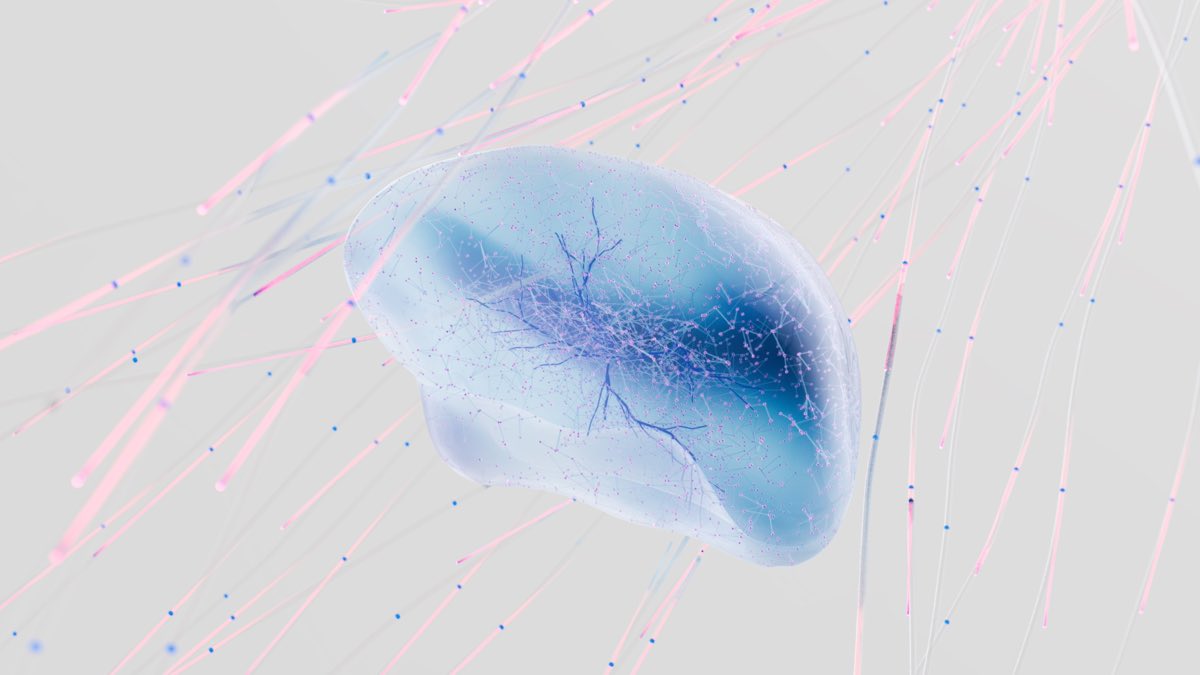
Amyloid PET, plasma p-tau, and neurofilament light are moving CNS from purely clinical readouts toward measurable biology.
Biomarkers Are Rewriting the CNS Pathway — Carefully.
For the first time, neuroscience has fluid and imaging biomarkers that track the underlying disease: amyloid and tau in Alzheimer's, neurofilament light as a marker of neurodegeneration, digital measures of motor and cognitive function. Used well, they enrich the population, shorten the trial, and open accelerated pathways.
Used loosely, they invite exactly the scrutiny the amyloid approvals attracted. We build the biomarker case the way the division and its advisory committees evaluate it — qualification status, the surrogate-to-clinical link, and a confirmatory plan that holds.
The Alzheimer's Approvals Set the Rules Everyone Now Plays By.
The amyloid-lowering approvals proved a biomarker could carry a CNS accelerated approval — and demonstrated exactly how fiercely that logic gets tested, on efficacy, on ARIA safety, and at the advisory committee.
lowering can support accelerated approval in neurodegeneration — but only with a confirmatory trial and a surrogate the division accepts as reasonably likely to predict benefit.
and other class safety signals can define the label and the REMS as much as efficacy does — the safety monitoring plan is part of the approvability case.
Advisory committees decide the closest CNS calls in public. A file built to answer the panel's questions is a file that survives the vote.
Six Failure Modes We Are Brought In to Prevent.
In neuroscience, most failures are design failures, not molecule failures.
A trial the placebo response can swamp
Powering and enrichment that never accounted for the large, rising placebo effect — so a genuinely active drug reads as a null result.
An endpoint the division won't accept
A rating scale or composite chosen for sensitivity rather than for regulatory precedent and clinical meaningfulness.
A biomarker over-asked to do too much
Leaning on an unqualified surrogate for accelerated approval without the confirmatory design and qualification story to defend it.
Functional unblinding ignored
In psychiatry and psychedelics, a design where patients can tell which arm they are on — undermining the blind and the result.
No safety-monitoring plan for the class
Missing the ARIA-style monitoring, imaging, and REMS the division now expects designed into the pivotal, not appended at review.
An advisory committee met unprepared
Walking into a public AdComm without having stress-tested the efficacy, safety, and benefit–risk narrative against the panel's likely challenge.
Neuroscience Regulatory Leadership That Designs for the Noise.
Our CNS leads have engineered trials to separate signal from placebo, negotiated biomarker and surrogate strategy, and prepared advisory committees on the field's most contested approvals.
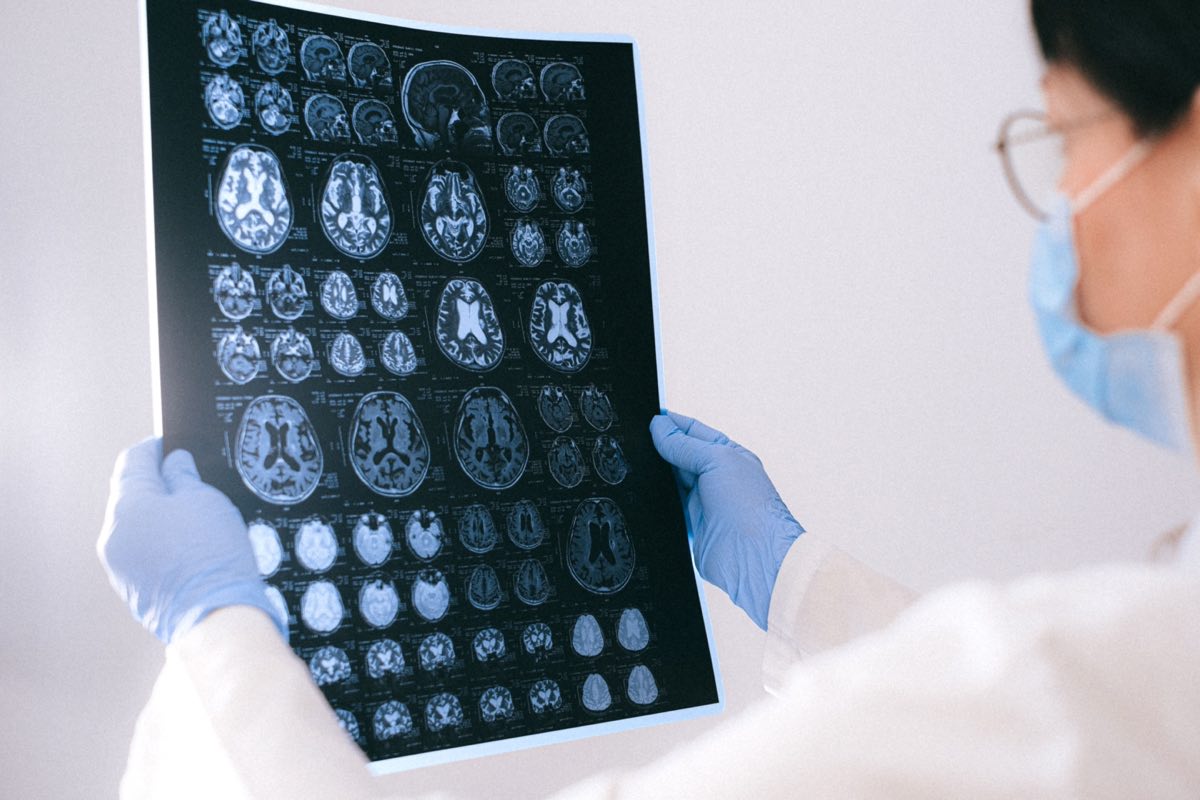
"A CNS drug doesn't fail because it doesn't work — it fails because the trial couldn't see it working. We design to widen the separation before a single patient is dosed."
The discipline we bring across neurodegeneration, movement, epilepsy, psychiatry, and neuromuscular disease.
From the newsroom
The record moves. Follow it.
Regulatory News is our independent newsroom — every story sourced to the primary record, published the day it lands. These are the beats that touch this page. RegulatoryNews.com →
- FDAApprovals, clearances, letters and guidance.
- GuidanceDraft and final guidance, as it lands.
- Devices510(k)s, De Novos, PMAs and EU MDR.
- DrugsPharmaceutical approvals, labels and pathways.
- Industry SpotlightCompany milestones, reported in depth.
- Full archiveEvery story we have published, searchable.
Developing a CNS Therapy? Design the Trial to See the Effect Before You Run It.
Bring senior neuroscience regulatory leadership in early — while the endpoint, enrichment, and biomarker strategy are still yours to shape.
Senior-led. Embedded in your team. No junior hand-offs.