You're Approving a Drug-Device System, Not Just a Drug.
Regulatory strategy for respiratory therapeutics — where the inhaler is a combination product and the endpoint is a breath.
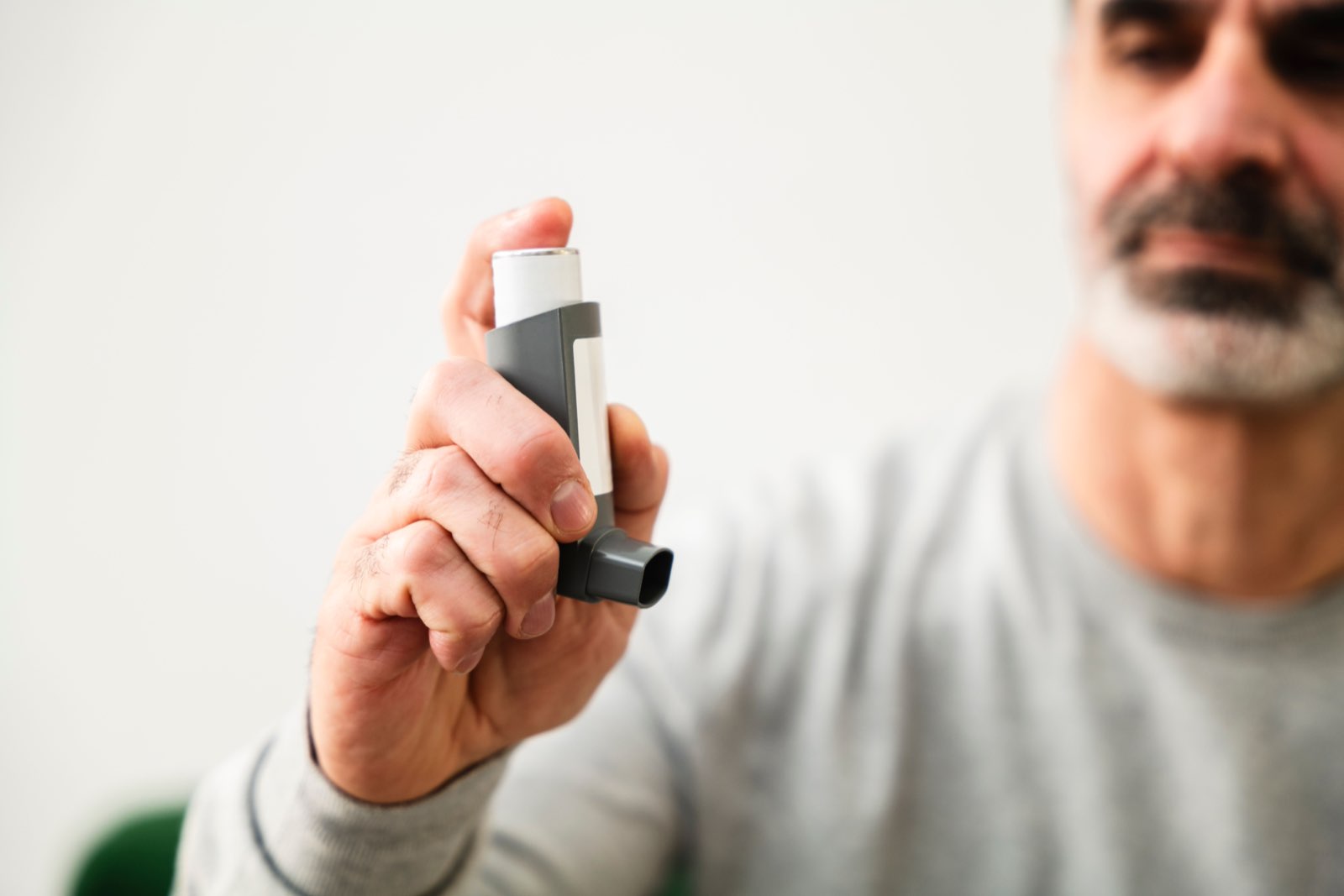
Free proposal · three minutes
Get your free respiratory regulatory proposal
No sales call. No account. No obligation.
What do you need?
In Respiratory, the Delivery System Is Part of the Drug.
A metered-dose inhaler, a dry-powder device, a nebulizer — the drug and the device that delivers it to the lung are inseparable, and the FDA reviews them as one combination product. Aerodynamic particle size, delivered dose uniformity, human factors, and device constancy carry as much weight as the pharmacology.
Add inhaled endpoints that are surrogates — FEV1 for lung function — and exacerbation trials that take years, and respiratory becomes a discipline where CMC, device engineering, and clinical strategy have to move as one. We build respiratory programs as the drug-device systems they actually are.
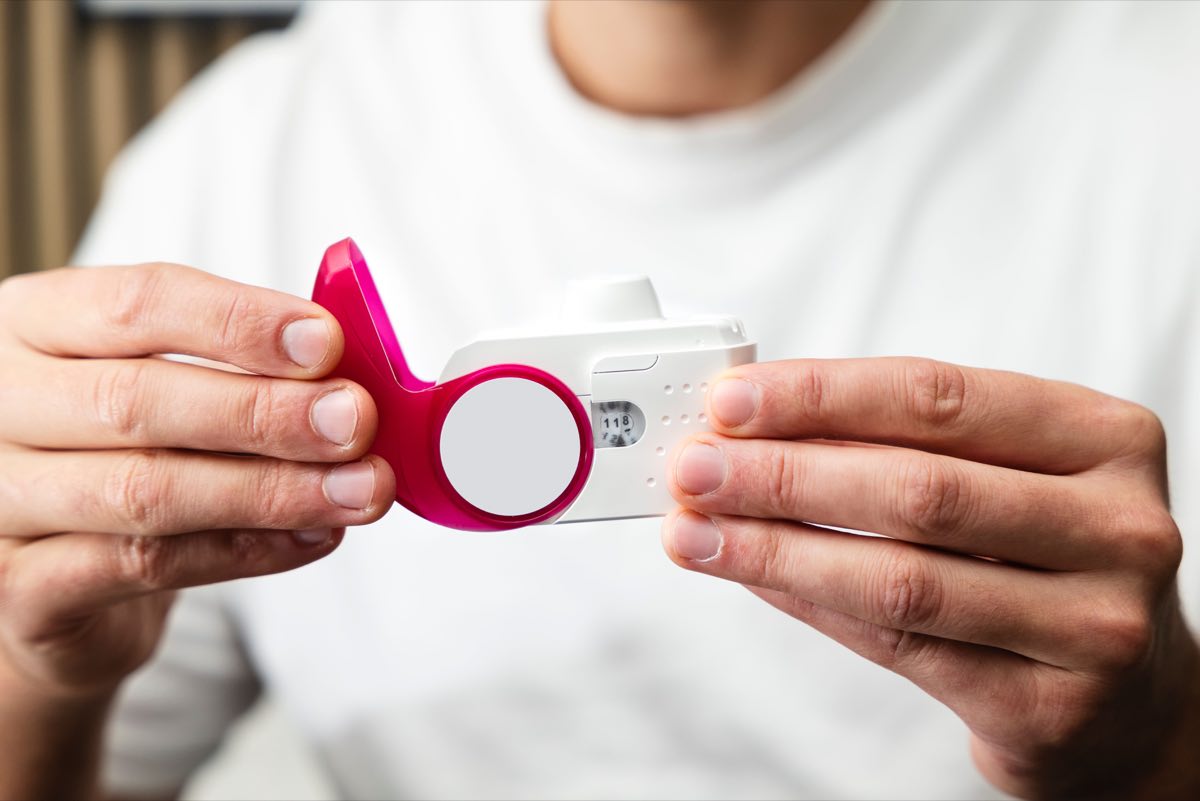
Where the medicine has to reach the lung in a precise dose every actuation, the device is a regulated object in its own right.
One Product, Two Regulatory Disciplines, One Combined Review.
An inhaled therapy is a combination product: a drug and a delivery device reviewed together, with CDER leading and CDRH consulting. Neither half succeeds without the other, and the seam between them is where programs get delayed.
The Drug
Formulation, aerodynamic particle-size distribution, delivered-dose uniformity, and the pharmacology that reaches the lung.
The Device
The inhaler or nebulizer — its engineering, actuation, human-factors validation, and constancy across the shelf life.
Combination Product
Reviewed as one system under a combination-product framework — where the drug, the device, and the patient interaction are judged together.
From Inhaled Devices to Systemic Biologics to CFTR Modulators.
Respiratory spans a device-driven inhaled world and a systemic-biologic and small-molecule frontier — each with a very different regulatory center of gravity.
Severe Asthma
Where inhaled controllers meet a wave of type-2 biologics — IL-5, IL-4/13, and TSLP — with exacerbation and lung-function endpoints.
COPD
Where triple-therapy inhalers and the balance of lung function against exacerbation reduction define a device-heavy, competitive space.
Pulmonary Fibrosis
Idiopathic pulmonary fibrosis and progressive fibrosing ILD, where slowing FVC decline is the endpoint and orphan flexibility often applies.
Cystic Fibrosis
The CFTR-modulator success story, where a sweat-chloride surrogate and mutation-defined populations rewrote a once-fatal disease.
Pulmonary Hypertension
A rare, cross-cutting indication with cardiology, where six-minute walk distance and functional class anchor smaller trials.
Inhaled Generics
Where generic inhaler approval demands a weight-of-evidence bioequivalence case — in vitro, PK, clinical, and device sameness together.

An inhaled generic has to match not just the drug but the device and the dose the lung receives.
Inhaled Generics Are a Weight-of-Evidence Case, Not a Single Study.
Proving an inhaled generic is equivalent is one of the toughest problems in regulatory science. The FDA expects a totality of evidence: in vitro aerodynamic and device performance, comparative pharmacokinetics, sometimes a clinical or pharmacodynamic endpoint study, and demonstrated device sameness so patients can use it without new instruction.
The same rigor governs a device change to an approved product. We build the bioequivalence and device-comparability strategy the Office of Generic Drugs and the review division expect — and design the human-factors and constancy program that keeps it intact through the lifecycle.
The Combination-Product Seam Is Where Timelines Are Won or Lost.
Because an inhaled therapy answers to drug and device expectations at once, the coordination between them — and with the Office of Combination Products — is a program risk in its own right.
CDER leads and CDRH consults on most inhaled products — align the drug and device submissions so neither waits on the other.
Validation that patients can use the device correctly is a review deliverable — misuse in studies can undermine the efficacy read.
Delivered-dose and device performance must hold across the shelf life and every manufacturing change — a lifecycle commitment, not a one-time test.
Six Failure Modes We Are Brought In to Prevent.
Most trace to the device half of the file getting less attention than the drug.
Treating the device as an afterthought
Building the clinical program while the delivery device, human factors, and constancy data lag — then discovering the combination product isn't ready.
An underpowered exacerbation trial
Powering a COPD or asthma program on an event rate that never materializes, leaving the exacerbation endpoint inconclusive.
A generic BE package that's incomplete
Bringing in vitro data without the PK, clinical, or device-sameness evidence the weight-of-evidence standard demands.
Human factors validated too late
Discovering use errors after the pivotal trial, when they should have been designed out and validated before it.
Center coordination left to chance
No plan for the CDER–CDRH consult and the Office of Combination Products, so the device review becomes the critical-path surprise.
Constancy broken by a change
A manufacturing or component change that shifts delivered dose or device performance without the comparability package to bridge it.
Respiratory Regulatory Leadership That Treats the Device as Part of the Drug.
Our respiratory leads have taken inhaled combination products, systemic biologics, and inhaled generics through review — coordinating the drug, the device, and the human-factors case as one program.

"In respiratory the device isn't packaging — it's half the product. The programs that move are the ones that built the drug, the device, and the human-factors story together from the start."
The discipline we bring across asthma, COPD, fibrosis, cystic fibrosis, and inhaled generics.
From the newsroom
The record moves. Follow it.
Regulatory News is our independent newsroom — every story sourced to the primary record, published the day it lands. These are the beats that touch this page. RegulatoryNews.com →
- FDAApprovals, clearances, letters and guidance.
- GuidanceDraft and final guidance, as it lands.
- Devices510(k)s, De Novos, PMAs and EU MDR.
- DrugsPharmaceutical approvals, labels and pathways.
- Regulator registerThe 36 authorities the newsroom tracks.
- Full archiveEvery story we have published, searchable.
Developing an Inhaled or Respiratory Therapy? Build the Drug and the Device as One.
Bring senior respiratory regulatory leadership in early — while the device, endpoints, and human-factors strategy are still yours to shape.
Senior-led. Embedded in your team. No junior hand-offs.