Contamination control strategy, aseptic
process design, and Annex 1 readiness —
from people who have built the systems
and defended them under inspection.

The 2020 revision of EU GMP Annex 1, in force since August 2023, made one idea central: sterility is not demonstrated by a final test, it is assured by a documented, plant-wide Contamination Control Strategy. Regulators now expect to see how every source of contamination — facility, people, process, and utilities — is identified, controlled, and continuously verified. A living CCS is the first thing an inspector asks for, and the fastest way to fail is not to have one that holds together.
Every surface, airflow, and movement designed to keep the sterile field sterile.
A Contamination Control Strategy is not a binder — it is the living map that connects every control to the risk it manages, backed by data. We build it as a system with six load-bearing elements, each traceable to a contamination-control risk assessment and to the quality risk management that sits above it.
Cleanroom design, airflow visualization, pressure cascades, and the qualification that proves the environment holds.
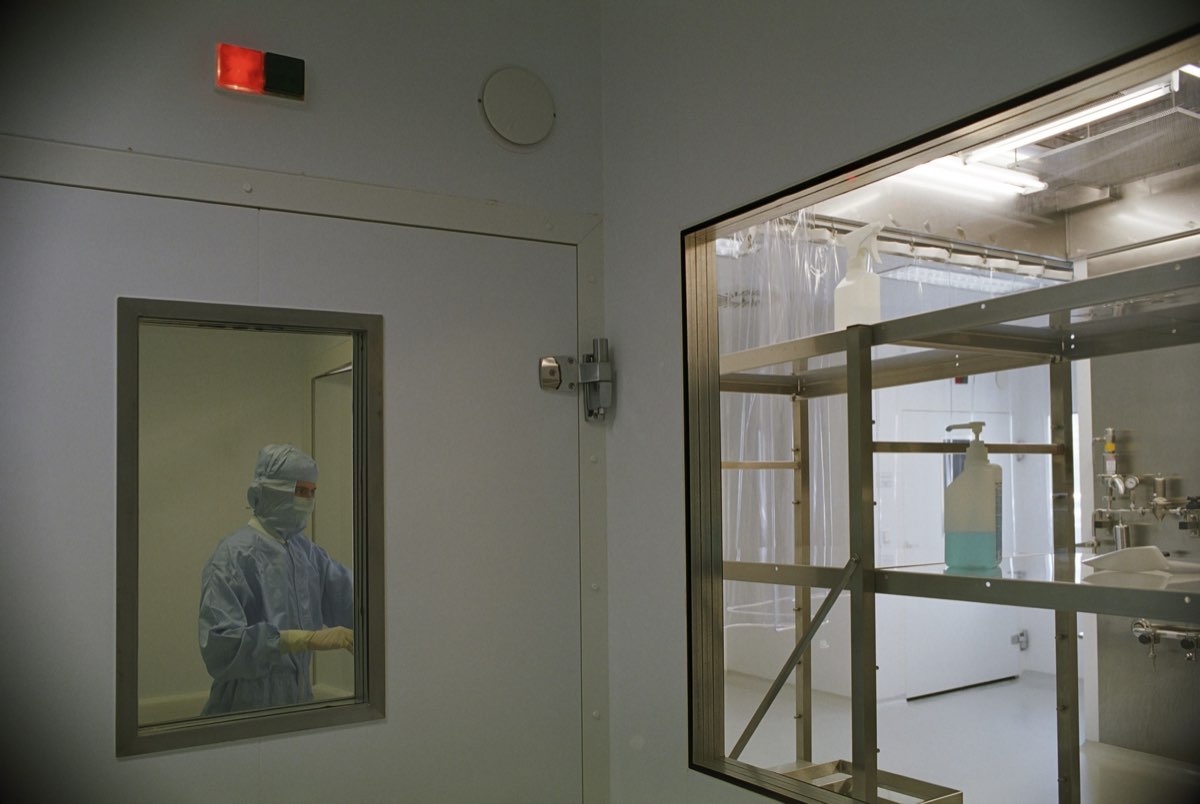
Gowning qualification, aseptic behavior, and the flow of people that is the single largest contamination risk.
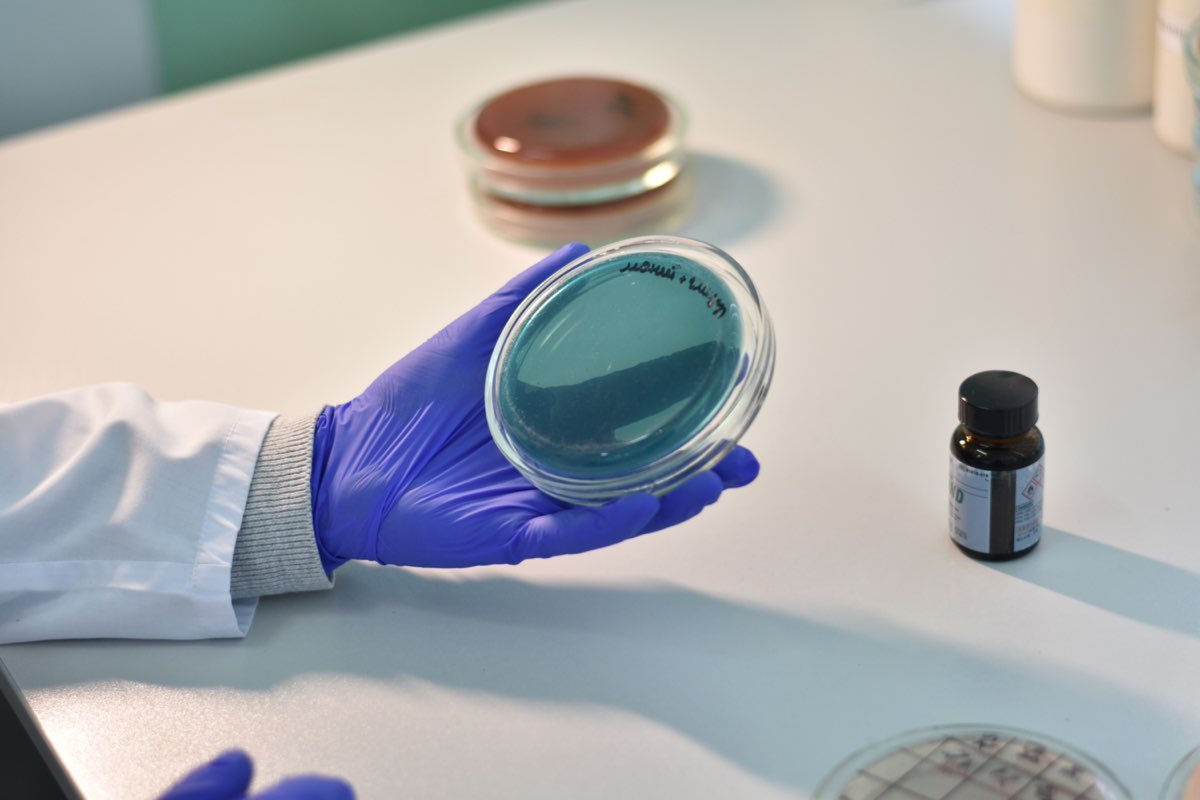
Viable and non-viable programs with scientifically justified locations, limits, alert levels, and trending.
Process design, intervention control, and aseptic process simulations (media fills) that prove it in practice.
Water for injection, clean steam, and compressed gases — generated, monitored, and controlled to spec.
Sterilization validation, RABS and isolator strategy, and PUPSIT decisions defended with data.
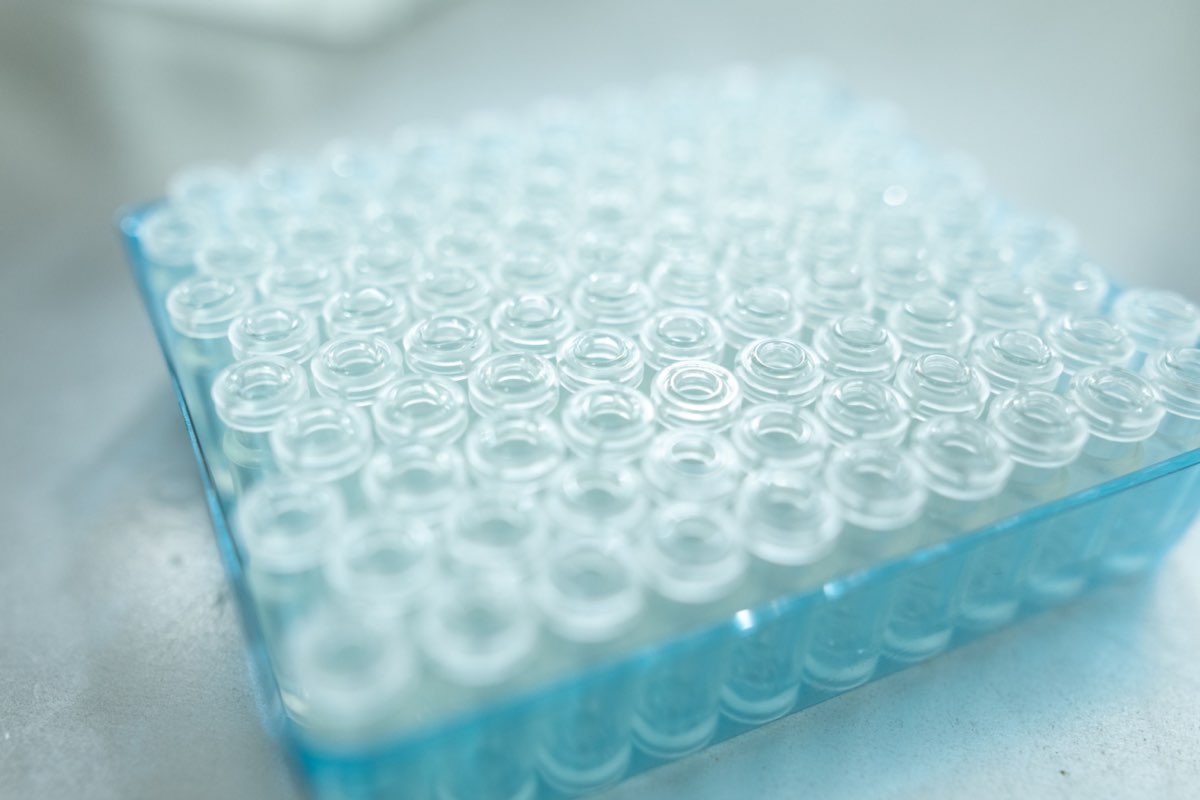
The vial that leaves the line carries the whole system's proof of sterility.
Annex 1 classifies cleanrooms by the cleanliness the activity requires. The controls, monitoring, and gowning escalate sharply as you move inward toward the exposed product. Getting the grade of an activity wrong is one of the most common — and most costly — findings.
Where product, containers, and closures are exposed. Unidirectional airflow inside an isolator or RABS, continuous monitoring, and a near-zero tolerance for viable contamination.
The classified room surrounding Grade A for aseptic preparation and filling — the environment the operators actually work within.
Solution and component preparation and other less-critical stages of making the sterile product.
The outer clean corridor, materials staging, and handling of components after washing — the first line of defense.
The intervention that never touches the sterile field is the one designed out in advance.
We embed with the sterile-manufacturing site as the sterility-assurance lead — writing the strategy, building the assessments behind it, and standing with the team when the inspector arrives.
The Annex 1 Contamination Control Strategy authored or rebuilt so it reads as one coherent, data-backed system.
Structured CCRA under ICH Q9 that ties every control to the risk it manages and exposes the gaps.
Viable and non-viable programs, sample-location justification, limits, and the trending that catches drift early.
Media-fill design, intervention lists, and acceptance criteria that prove the aseptic process holds.
Gowning qualification programs and aseptic-behavior training for the people inside the critical zone.
Annex 1 gap assessments, remediation plans, and standing with you through FDA and EU inspections.
Sterility assurance is judged against specific, current expectations on both sides of the Atlantic. These are the frameworks the work is anchored to.
The revised standard for the manufacture of sterile medicinal products, and the source of the CCS mandate.
Quality risk management — the discipline the contamination-control risk assessment is built on.
The U.S. cGMP regulations every sterile product for the American market is held to.
Sterile Drug Products Produced by Aseptic Processing — the FDA's companion expectations.
The classified environments and the sterility assurance level a terminal process is validated to reach.
The data that proves the controlled environment stayed controlled, day after day.
Sterility assurance is won by practitioners who have run aseptic operations, investigated the excursions, and answered the inspector's questions in real time. Your lead is a senior sterility-assurance and microbiology leader who has built contamination-control systems and defended them under inspection.
Deep command of the revised Annex 1 and how inspectors actually read a Contamination Control Strategy.
Time inside the cleanroom — filling lines, isolators, and the interventions that decide sterility.
Environmental monitoring, excursion investigation, and sterility assurance built on real microbiology.
Systems that have stood in front of the FDA and EU inspectorate and held.
Contamination control does not stand alone — it connects to qualification, inspection readiness, and the wider GMP quality system. These are the services sterile-manufacturing sites reach for alongside it.
The C&Q that proves the cleanrooms, utilities, and equipment behind the sterile process perform as designed.
Explore CQV →Getting the site, the story, and the people ready for the regulator who will scrutinize the sterile line.
Explore Inspection Readiness →The wider GMP quality system the Contamination Control Strategy has to live inside and stay aligned with.
Explore GxP Compliance →Tell us about your sterile or aseptic operation, your Annex 1 status, and your inspection horizon. We'll map the contamination-control strategy and match you with a senior sterility-assurance lead, with a response within one business day. All inquiries are strictly confidential.