Surgical Systems and Instruments
Your Device Will Be Used by a Tired Surgeon at 3 a.m.
Regulatory strategy for surgical instruments and integrated platforms — where human factors, sterility, and reprocessing carry more of the file than the mechanism does.
Free proposal · three minutes
Get your free surgical system proposal
No sales call. No account. No obligation.
Start my free proposalThe Bench Says It Works. The OR Asks Whether Anyone Can Use It.
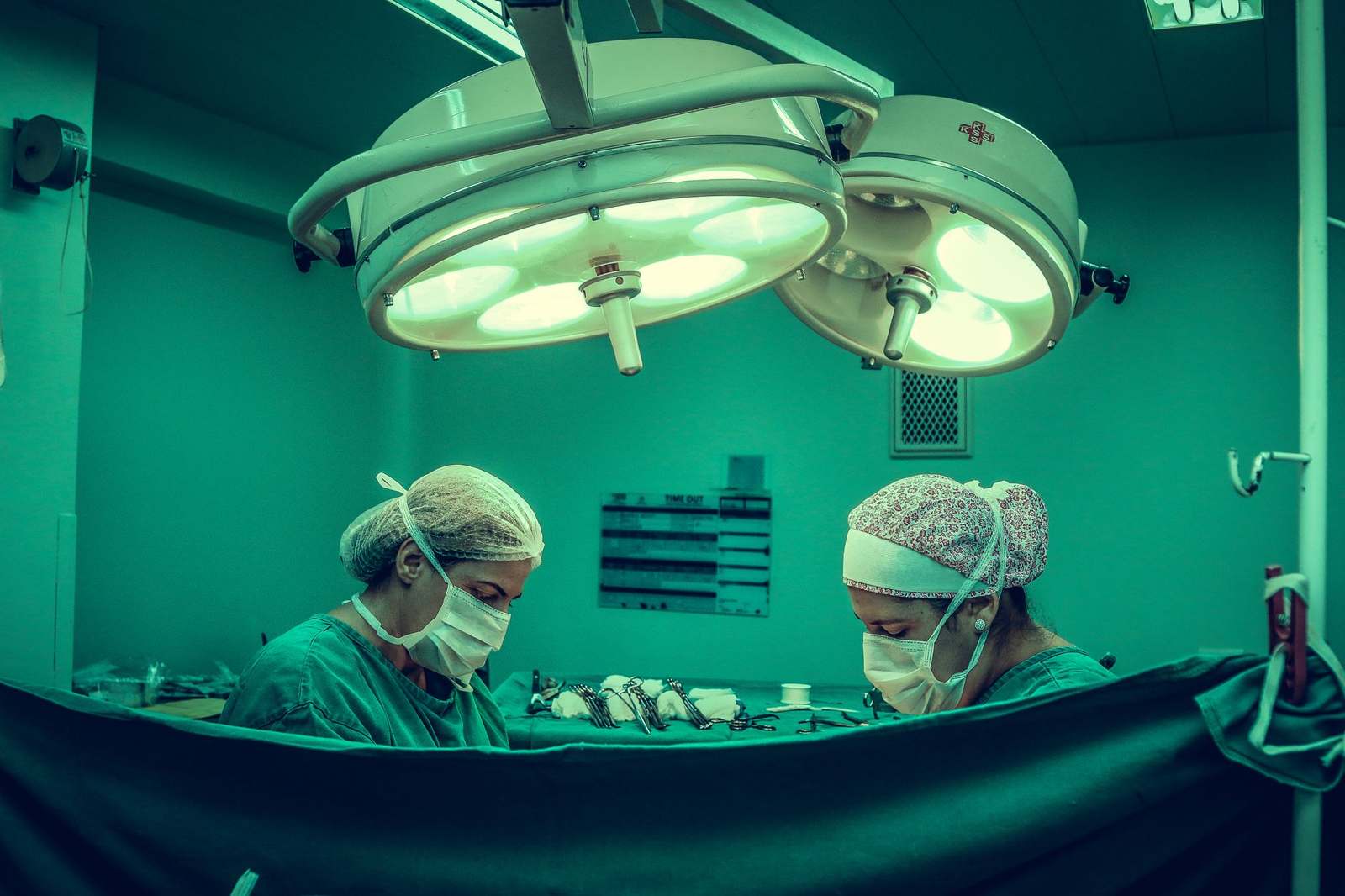
Surgical devices are engineered to tolerances and then handed to a gloved, hurried human standing over bleeding tissue, often for the first time, sometimes at the end of a long night. Which is why the reviewer’s attention lands where engineers least expect it: on the use-related risk analysis, the instructions nobody reads, and the workflow your device forces on a team that has done it another way for twenty years.
The regulatory center of gravity for this category is IEC 62366-1 and FDA’s human factors expectations — not because usability is a nicety, but because use error is the dominant failure mode in the operating room. We build surgical files that treat the surgeon, the scrub nurse, and the sterile processing department as parts of the device.
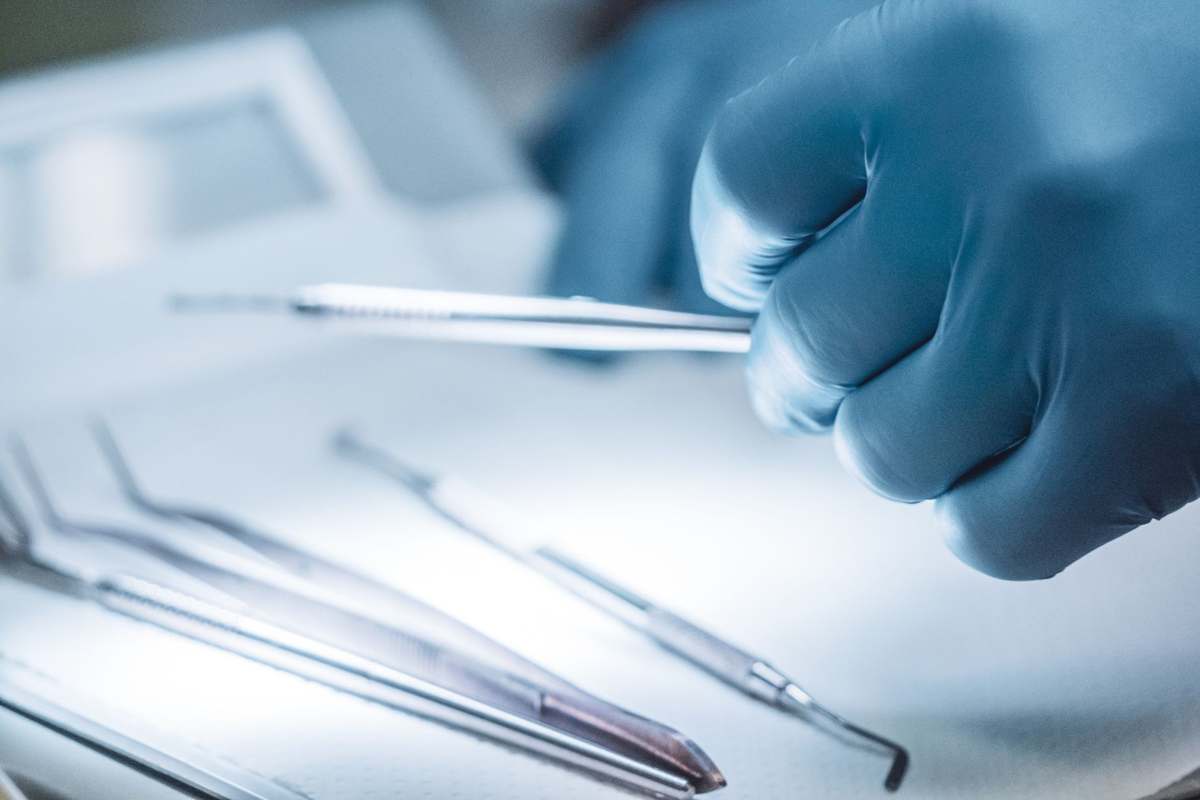
Every control is operated by hands that cannot feel much, in a room where nobody has time to read.
Three Legs Hold Up a Surgical File. Any One Can Drop It.
Mechanism and materials matter — but these three are where surgical submissions are actually won and lost.
Human Factors
Validation with real surgeons, in simulated use, against the errors that actually happen.
- Use-related risk analysis driving the design, not documenting it afterwards
- Critical tasks identified honestly — including the ones marketing calls intuitive
- Validation with representative users, not your engineers
- IFUs and training that match how the device is really adopted
Sterility & Reprocessing
Single-use or reusable is a regulatory decision with a validation bill attached.
- Sterilization validation and the EtO transition pressure on the whole category
- Reusable devices: cleaning validation proven on worst-case soil, in real hospitals
- Lumens, hinges, and crevices — the geometry that defeats reprocessing
- Reprocessing instructions a sterile processing department can actually follow
The System Boundary
Instruments rarely ship alone — and what you bundle, you own.
- Energy platforms, generators, and the tissue effects they produce together
- Accessories and compatible-device lists that define your labeling exposure
- Software in the tower: navigation, imaging, and settings that steer the procedure
- Predicate strategy built on the system as used, not the part as shipped
Reprocessing is where the category’s quiet crises live. Duodenoscope-associated infections showed what happens when a device’s geometry outruns its cleaning validation — and the answer reshaped design, labeling, and the market. If your device has a lumen or a hinge, that history is your risk file’s reference case.
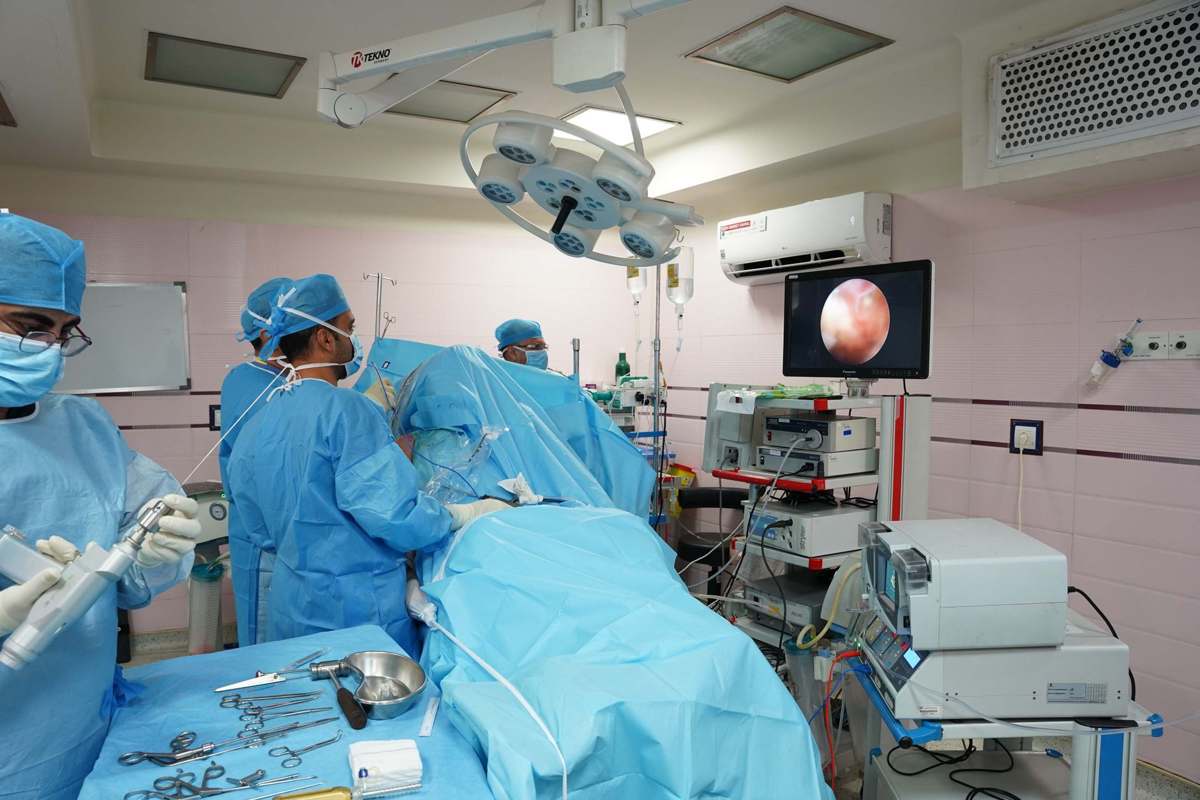
Generator, scope, screen, and software make one clinical system — and one regulatory scope question.
Most Surgical Devices Are 510(k)s. That Is Not the Same as Easy.
The pathway is usually well-trodden — a predicate exists, the class is established, the tests are known. The difficulty is that surgical innovation tends to arrive as a system: a new instrument that only works with your generator, a platform whose settings change tissue effect, a scope whose value is the software in the tower. Equivalence arguments built on the instrument alone tend to meet reviewers who see a system.
Then there is the clinical-evidence question the 510(k) does not force but the market does: hospitals, payers, and European notified bodies all want outcomes, and MDR does not accept “equivalent” the way a 510(k) does. We scope the system, the predicate, and the evidence together — because scoping them separately is how a cleared instrument arrives with a platform nobody can sell.
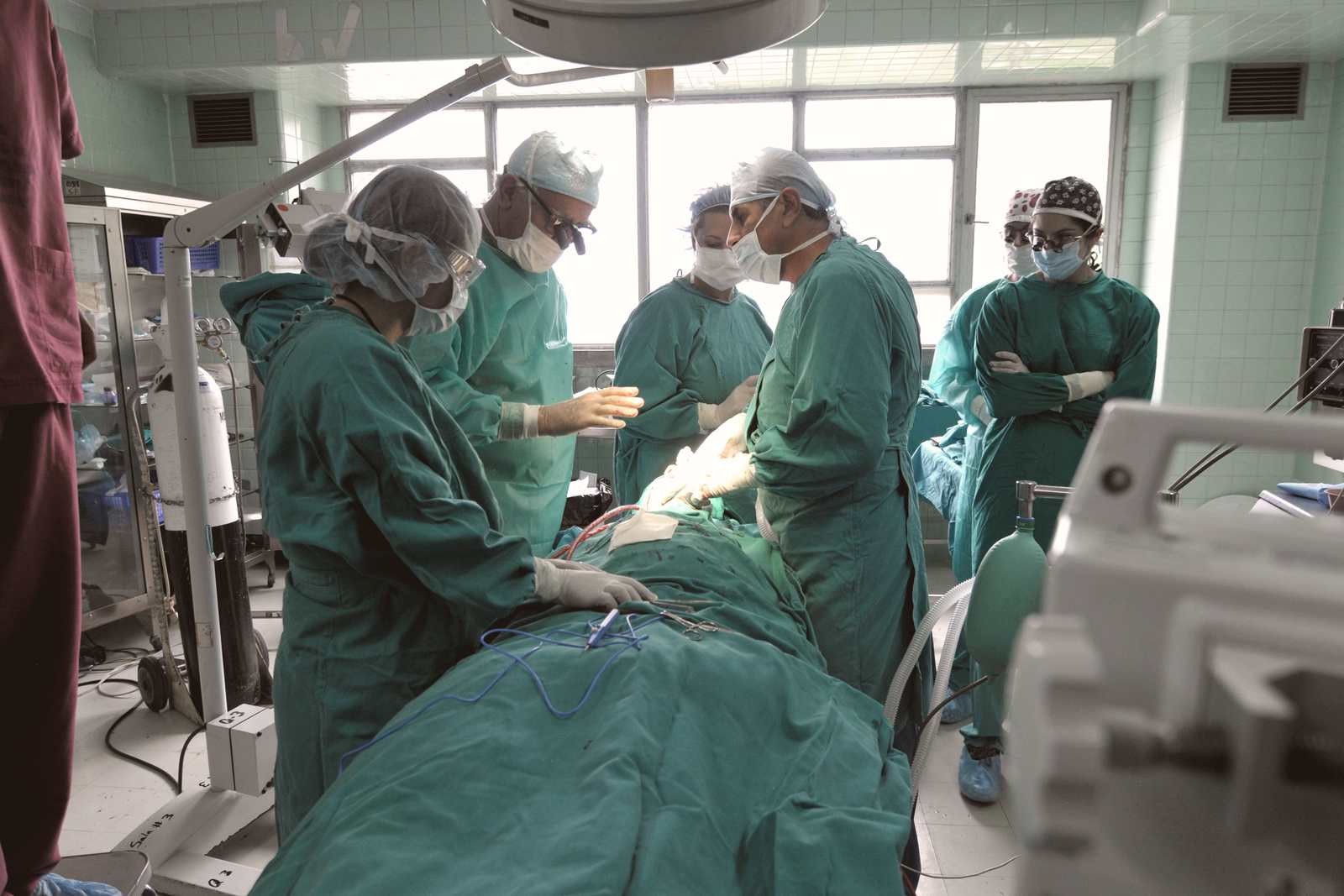
A Surgical System Is Judged as a Whole, in the Room.
Generator, handpiece, software, and the surgeon’s learning curve are one regulated system — validated where they actually meet, under the worst case, not the demo.
What a Surgical Program Plans Around.
Three constants in a category defined by its use environment.
The usability standard your file is measured against — simulated-use validation with representative surgeons, not a design review.
Cleaning validation’s unit of proof: the dirtiest realistic soil, the hardest geometry, the least careful reprocessing.
What reviewers evaluate. Instrument, generator, accessories, and software are one clinical product.
Six Failure Modes We Are Brought In to Prevent.
Every one of them is the operating room refusing to behave like the bench.
Human factors run as a checkbox
Validation scheduled after design freeze with friendly users — so it confirms the design instead of testing it.
Reprocessing validated on a clean device
Cleaning proven on light soil and simple geometry, then deployed to lumens that hold biofilm and hospitals that hurry.
Predicate chosen for the part
Equivalence argued on the instrument while the value — and the risk — lives in the platform around it.
Single-use claimed, reuse happening
A labeled single-use device that hospitals reprocess anyway, and a company with no position on what that means.
EtO dependence with no plan B
A sterile supply chain resting entirely on ethylene oxide while capacity and emissions rules keep tightening.
Europe met with a 510(k) file
MDR asking for clinical evidence on your device, in a submission built on equivalence to someone else’s.

Surgical Regulatory Leadership That Has Watched the Device Get Used.
Our surgical leads have run human factors programs, defended reprocessing validations, and scoped platforms for review.

“Nobody reads the IFU during a case. If your device needs the manual to be safe, the manual is not a mitigation — it is a finding waiting to happen.”
The discipline we bring to instruments, energy platforms, and integrated surgical systems.
From the newsroom
The record moves. Follow it.
Regulatory News is our independent newsroom — every story sourced to the primary record, published the day it lands. These are the beats that touch this page. RegulatoryNews.com →
Building a Surgical System? Validate It Against the Room, Not the Bench.
Bring senior surgical regulatory leadership in while the workflow is still a design choice.
Senior-led. Embedded in your team. No junior hand-offs.