The Field That Finally Got a Surrogate.
Regulatory strategy across kidney disease — where eGFR slope replaced a decade of waiting for patients to reach dialysis.
Free proposal · three minutes
Get your free nephrology regulatory proposal
No sales call. No account. No obligation.
What do you need?
Kidney Disease Went Twenty Years Without a New Drug — Because of an Endpoint.
For most of that period a chronic kidney disease trial had to run until enough patients doubled their serum creatinine, reached end-stage disease, or died. That takes years and thousands of patients, and it made CKD commercially unapproachable while cardiology and oncology moved on. The disease was not the obstacle. The endpoint was.
The acceptance of eGFR slope and confirmed percentage declines as surrogates — built on large consortium meta-analyses and a workshop process with the agency — changed the arithmetic. We build kidney programs on the modern endpoint framework, where a trial is sized in years rather than decades.
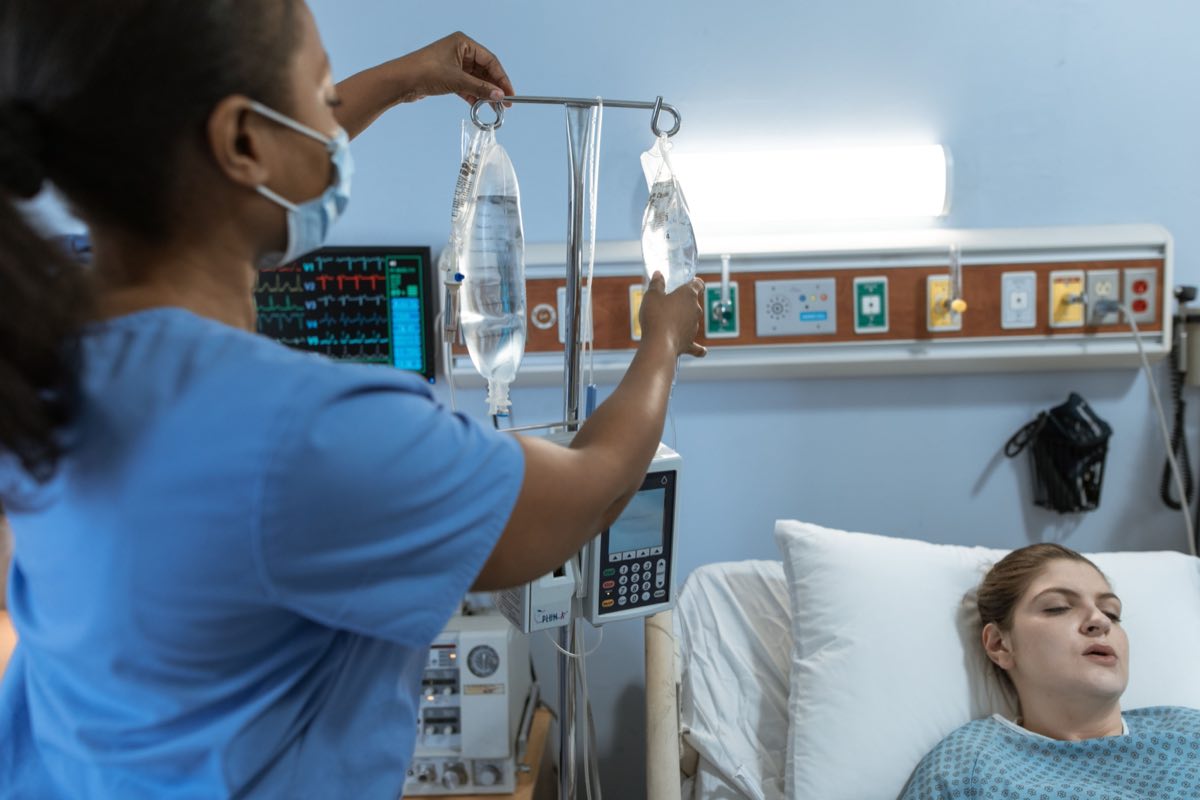
When the endpoint is dialysis, the trial is a decade. Change the endpoint and the field moves again.
From Hard Outcomes to Slope — and What Each Buys You.
Kidney endpoints now sit on a spectrum. Choosing the right point on it is a trade between trial size, duration, and how strong a claim the label can carry.
Kidney failure or death
The original barComposite of end-stage kidney disease, sustained eGFR below 15, or death. Unimpeachable, and slow enough that it kept the field frozen for two decades.
Doubling of serum creatinine
Roughly a 57% eGFR declineAccepted historically, but so late in the disease that trials still needed years of follow-up and enormous cohorts to accrue events.
Confirmed 30–40% eGFR decline
The negotiated middleSupported by consortium meta-analyses as predicting hard outcomes — earlier events, smaller trials, and a claim the division will discuss.
eGFR slope
The modern instrumentChronic slope over time, analysed with a pre-specified model that separates acute haemodynamic dips from true progression — the field's fastest route to evidence.
Slope has a trap built into it. Many effective agents cause an acute eGFR dip in the first weeks — a haemodynamic effect, not injury — and a naive slope analysis reads that dip as harm. The pre-specified model, the baseline window, and the dip handling must be agreed with the division in advance, or your best drug looks nephrotoxic in its own primary analysis.
Renal Care Runs From a Rare Glomerular Disease to a Dialysis Machine.
The specialty covers biologics for orphan glomerular diseases, cardiorenal blockbusters, and the machines a patient sits beside three times a week.
Chronic Kidney Disease
The field's main stage, where the modern surrogate framework made large, tractable trials possible again.
Diabetic Kidney Disease
Where SGLT2 inhibitors and MRAs proved kidney benefit inside cardiometabolic programs and rewrote standard of care.
Glomerular Diseases
IgA nephropathy and FSGS, where proteinuria reduction supports accelerated approval and confirmatory eGFR data follows.
Dialysis & Devices
Dialysers, concentrates, and vascular access reviewed by CDRH — plus the wearable and portable ambitions that keep failing to clear.
Acute Kidney Injury
A field with no approved therapy, contested biomarkers, and a trial-design problem nobody has solved.
Transplant Nephrology
Immunosuppression and rejection endpoints, where the population is small, protected, and highly regulated.

SGLT2 inhibitors earned their kidney indication inside cardiovascular outcomes trials. Pre-specify, or forfeit.
Nephrology's Breakthroughs Arrived From Someone Else's Trial.
The drugs that transformed kidney care in the last decade were not developed as kidney drugs. SGLT2 inhibitors were glucose-lowering agents whose cardiovascular outcomes trials showed unmistakable renal benefit; mineralocorticoid antagonists came through cardiorenal programs. The kidney indication was won in trials designed for another organ.
That is a lasting strategic lesson: renal endpoints belong in cardiometabolic protocols from the start, pre-specified and powered, not added as exploratory analyses that can only generate hypotheses. We build the renal claim into the cardiometabolic program so the evidence arrives as a registration, not a rumour.
Every Year of Follow-Up Is a Year of Someone Else's Runway.
Kidney trials are long by nature. The endpoint framework is the only lever that meaningfully shortens them — and it has to be pulled correctly.
Chronic eGFR slope, with a pre-specified model separating acute dips from true progression, is what makes a modern CKD trial financeable.
Proteinuria for accelerated approval, eGFR for confirmation — the structure most glomerular disease programs are now built on.
The largest renal wins came from cardiometabolic trials with renal endpoints pre-specified. Exploratory analyses do not register.
Six Failure Modes We Are Brought In to Prevent.
Most kidney programs fail on endpoint modelling, not pharmacology.
The acute dip read as harm
A slope analysis that does not pre-specify the haemodynamic dip window, making an effective agent look nephrotoxic in its own primary.
An unagreed surrogate
Assuming a 30% eGFR decline threshold will be accepted for your population without confirming it with the division first.
Renal endpoints left exploratory
Running a cardiometabolic trial with kidney outcomes unpowered and unspecified, and generating a hypothesis instead of a label.
Proteinuria without confirmation
Taking accelerated approval on proteinuria with no realistic confirmatory eGFR trial funded and enrolling.
Dialysis device misrouted
Treating a dialysis-adjacent product as a drug-delivery accessory when CDRH will review it as a device with its own standards.
AKI trial design
Entering acute kidney injury with a biomarker-defined population the division has not accepted as an enrichment strategy.
Nephrology Regulatory Leadership Built on the Modern Framework.
Our renal leads have designed slope-based CKD programs, pre-specified renal endpoints inside cardiometabolic trials, and taken glomerular disease drugs through accelerated approval.

"Nephrology spent twenty years stuck behind its own endpoint. The teams that understand the slope model — dip and all — are the ones getting drugs approved now."
The discipline we bring across CKD, diabetic kidney disease, glomerular disease, dialysis devices, and transplant.
From the newsroom
The record moves. Follow it.
Regulatory News is our independent newsroom — every story sourced to the primary record, published the day it lands. These are the beats that touch this page. RegulatoryNews.com →
- FDAApprovals, clearances, letters and guidance.
- GuidanceDraft and final guidance, as it lands.
- Devices510(k)s, De Novos, PMAs and EU MDR.
- DrugsPharmaceutical approvals, labels and pathways.
- Regulator registerThe 36 authorities the newsroom tracks.
- Full archiveEvery story we have published, searchable.
Planning a Kidney Program? Model the Slope Before You Size the Trial.
Bring senior nephrology regulatory leadership in while the endpoint, the dip handling, and the surrogate strategy are still negotiable.
Senior-led. Embedded in your team. No junior hand-offs.