The Field Where a Rule Change Created a Market.
Regulatory strategy across ear, nose, and throat — from cochlear implants under PMA to hearing aids the FDA moved onto a retail shelf.

Free proposal · three minutes
Get your free ENT regulatory proposal
No sales call. No account. No obligation.
What do you need?
In 2022 the FDA Rewrote Who Is Allowed to Sell Hearing.
The OTC hearing aid rule created an entire regulatory category by administrative action — establishing a Class II device that adults with perceived mild-to-moderate hearing loss can buy without an audiologist, with output limits, insertion-depth constraints, and labeling written into the regulation itself. Congress ordered it; the FDA designed the market.
It also drew a hard line. Cross the output ceiling, claim severe loss, or drift toward a diagnostic function and you are back in prescription territory or facing a very different review. We position hearing products precisely against that boundary, where a single decibel of gain can change your regulatory class.
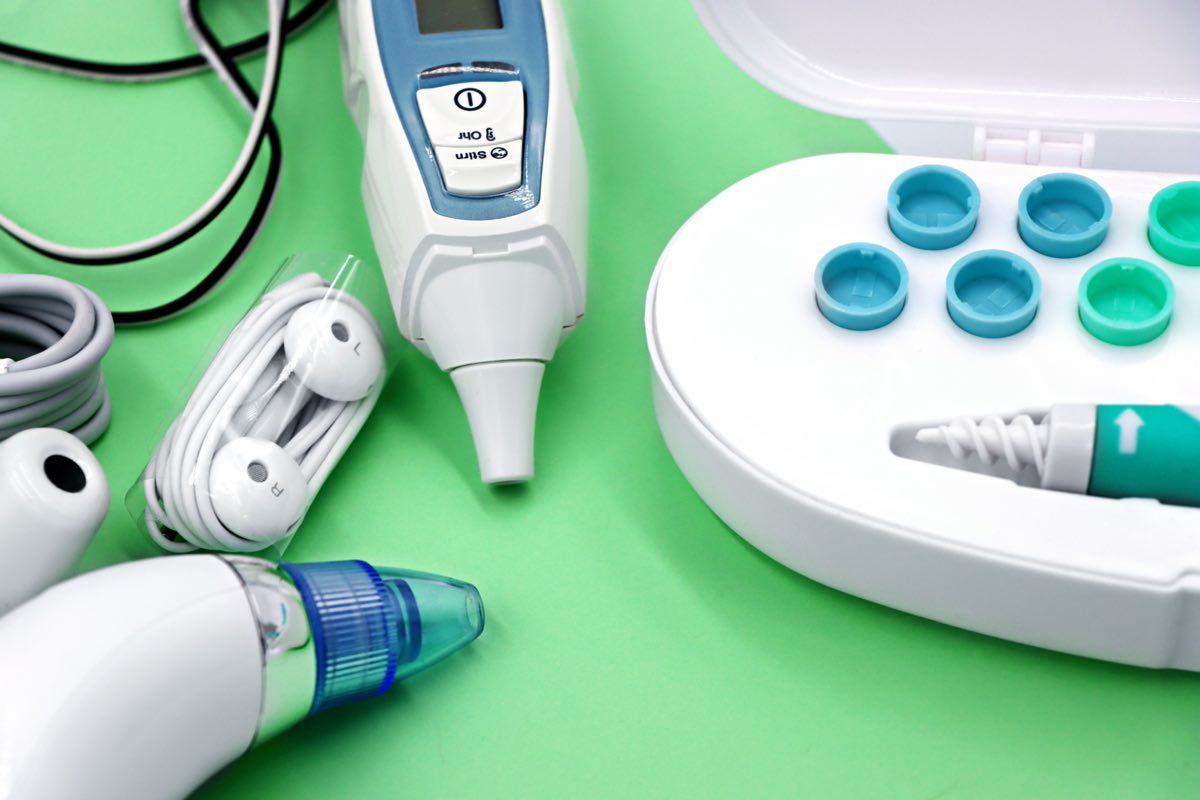
Output ceilings, insertion depth, and labeling are written into the regulation. The line is literal, and it is measured.
Four Rungs, and the Gap Between Them Is Where Companies Die.
Hearing products occupy a precisely stratified regulatory ladder. Each rung has a different class, a different route, and a different set of things you are permitted to say.
Personal sound amplifiers
Unregulated — with a catchPSAPs are not medical devices as long as they never claim to address hearing loss. One compensatory claim in your marketing and the FDA reclassifies your product for you.
OTC hearing aids
Class II, 510(k)-exempt pathAdults, self-perceived mild-to-moderate loss, output and insertion limits, prescribed labeling. No audiologist, no fitting — and no claims beyond the rule's boundaries.
Prescription hearing aids
Class IISevere loss, pediatric fitting, and professional dispensing — the traditional category the OTC rule deliberately left intact above it.
Cochlear & bone-anchored implants
Class III, PMASurgically implanted, actively powered, with clinical trials, long-term follow-up, and an approval that takes years rather than months.
The dangerous rung is the first one. PSAP makers with a consumer-electronics instinct describe their product as helping users hear conversation better — which is a hearing-loss claim, which makes it a device, which makes it an unapproved one. The gap between marketing copy and regulatory class is measured in a single sentence.
ENT Spans a Retail Shelf and an Operating Theatre.
Few fields cover this much regulatory ground — consumer devices, implants, drugs, and surgical instruments all reviewed under the same specialty.
Hearing Devices
Where a 2022 rule created a consumer category with hard output ceilings and prescribed labeling — and left prescription products above it.
Implantable Hearing
Cochlear and bone-anchored implants: Class III, clinical trials, pediatric indications, and lifetime follow-up.
Sinus & Rhinology
Sinus devices and drug-eluting implants that straddle the device–drug border and land as combination products.
Sleep & Airway
Hypoglossal nerve stimulation, oral appliances, and PAP devices — where the endpoint is AHI and the competition is a machine that works.
Oncology & Reconstruction
Where ENT hands the program to the Oncology Center of Excellence and the endpoints change entirely.
Inner-Ear Therapeutics
A young drug field with a real problem: proving hearing preservation or restoration on audiometric endpoints the division will accept.

Booth calibration and masking technique move audiometric results more than a modest treatment effect will.
Audiometry Looks Objective. The Reviewer Knows Better.
Pure-tone thresholds and speech-in-noise scores feel like instrument readings, but they depend on booth calibration, transducer choice, masking technique, and the tester's protocol. Small procedural differences move results more than a modest treatment effect does — which is why audiologic endpoints attract methodological questions that surprise sponsors.
For inner-ear therapeutics the problem compounds: hearing preservation trials need a comparator arm losing hearing on schedule, and the natural history is variable. We standardise the audiologic protocol as rigorously as the statistical plan, because in this field the measurement is the study.
A Regulatory Boundary You Can Cross With One Sentence.
ENT is the clearest example on the site of regulation as market architecture — and of how cheaply a company can end up on the wrong side of it.
The OTC hearing aid rule created a Class II consumer category with output limits and prescribed labeling — a market designed by regulation.
A PSAP that says it helps with hearing loss has just become a medical device. The claim, not the hardware, sets the class.
Cochlear and bone-anchored implants carry PMA, clinical trials, and pediatric follow-up — the other end of the same specialty.
Six Failure Modes We Are Brought In to Prevent.
In ENT the classification error and the marketing error are the same error.
PSAP claim creep
Consumer marketing copy that describes hearing-loss benefit, converting an unregulated product into an unapproved device overnight.
OTC limits misread
Exceeding the rule's output or insertion-depth constraints and losing the exemption the whole business model assumed.
Audiometric protocol drift
Booth, transducer, and masking differences across sites producing variability that swamps the treatment effect.
Combination product surprise
A drug-eluting sinus implant filed as a device, then routed through combination-product review with a CMC package that does not exist.
Pediatric plan missing
Bringing an implantable hearing device forward without the pediatric study plan the indication will require.
Sleep endpoint mismatch
Choosing an AHI-based claim without the polysomnography methodology and comparator the division expects to see.
ENT Regulatory Leadership from Retail Shelf to PMA.
Our ENT leads have positioned products against the OTC boundary, carried implantable hearing devices through PMA, and defended audiologic endpoints with the division.

"Otolaryngology is the field where the regulation drew the market's borders. Know exactly where the line is, because you can cross it with one sentence of marketing copy."
The discipline we bring across hearing devices, implants, rhinology, sleep, and inner-ear therapeutics.
From the newsroom
The record moves. Follow it.
Regulatory News is our independent newsroom — every story sourced to the primary record, published the day it lands. These are the beats that touch this page. RegulatoryNews.com →
- FDAApprovals, clearances, letters and guidance.
- GuidanceDraft and final guidance, as it lands.
- Devices510(k)s, De Novos, PMAs and EU MDR.
- DrugsPharmaceutical approvals, labels and pathways.
- Key datesDeadlines and comment periods, in one calendar.
- Full archiveEvery story we have published, searchable.
Building a Hearing or ENT Product? Find the Line Before Marketing Does.
Bring senior ENT regulatory leadership in while the claim, the class, and the output limits are still design decisions.
Senior-led. Embedded in your team. No junior hand-offs.