Where the Reimbursement Rules Changed Before the Science Did.
Regulatory strategy for wound care — where a skin substitute can be a tissue, a device, or a biologic, and CMS just rewrote the economics.

Free proposal · three minutes
Get your free wound care regulatory proposal
No sales call. No account. No obligation.
What do you need?
Wound Care Is a Classification Problem With a Reimbursement Engine Attached.
A product placed on a diabetic foot ulcer might be a Class I dressing, a Class II wound-care device, a 361 HCT/P regulated as tissue, a 351 biologic requiring a BLA, or a drug. The distinctions turn on minimal manipulation, homologous use, and what the product claims to do — and a large part of the industry has spent years on the wrong side of them.
Meanwhile the economics were driven by Medicare reimbursement that paid generously for skin substitutes with thin evidence, creating a market that regulation had not really examined. That gap is now closing from both directions. We settle the pathway question before it is settled for you, because enforcement discretion is not a business model.
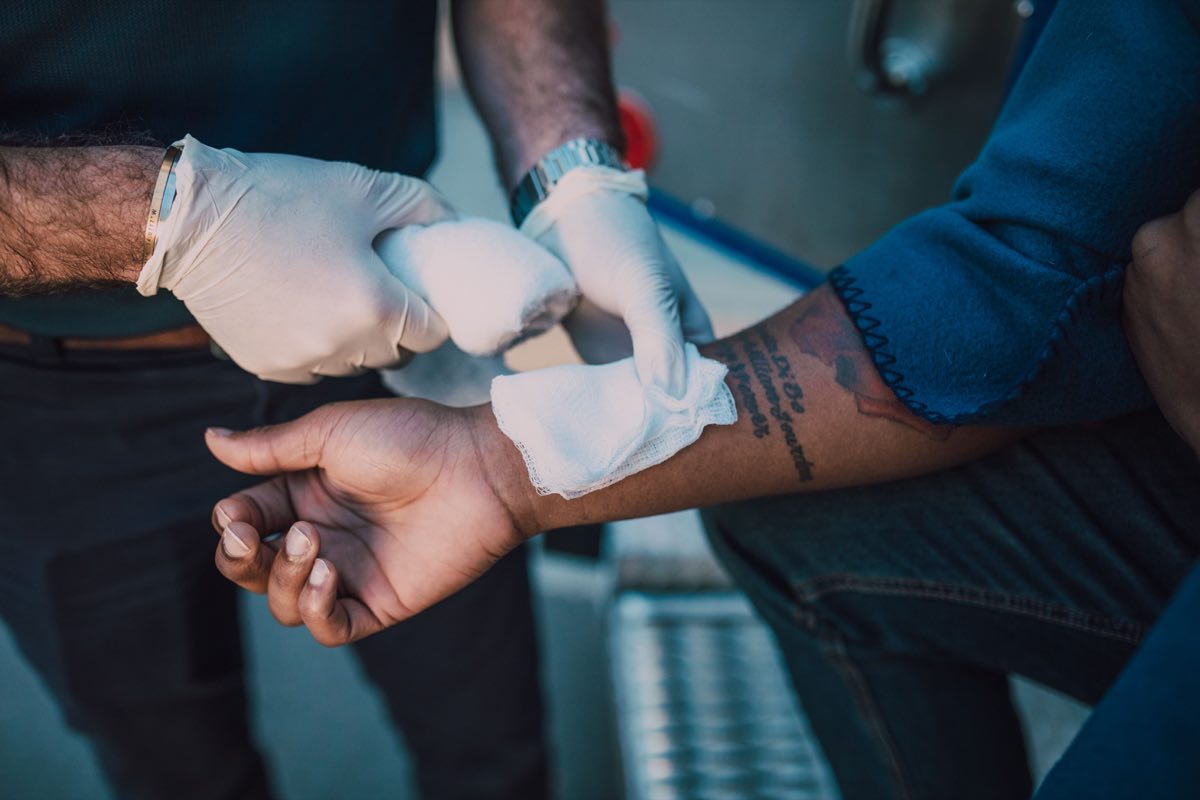
Generous codes funded a market thin on evidence. FDA enforcement and CMS reform are arriving together.
361 or 351 — the Difference Between a Registration and a BLA.
For any human tissue-derived wound product, one determination governs the entire program: does it qualify as a 361 HCT/P, or is it a 351 biologic requiring a licence?
Processing that does not alter the tissue's original relevant characteristics. Cutting and cleaning may qualify; changing structure or function does not.
The product performs the same basic function in the recipient that it did in the donor. Amniotic tissue as a wound covering may qualify; as a therapy that stimulates healing, it does not.
No premarket application. Register the establishment, list the product, follow donor eligibility and GTP requirements. Fast, cheap, and narrow.
A full biologics licence: clinical trials, CMC, potency assays, and inspections. Years and tens of millions — for the same physical product.
The homologous use test is where the industry broke. Amniotic membrane products marketed as wound coverings sit reasonably within 361; the same tissue marketed as stimulating healing or delivering growth factors is claiming a non-homologous therapeutic effect and needs a BLA. Many companies made that claim in their marketing while filing as tissue — and the FDA's period of enforcement discretion, extended through the pandemic, has expired.
Six Product Classes, Five Regulatory Regimes.
Wound care packs more classification ambiguity into one clinical problem than any other field on this site.
Dressings
From simple coverings to antimicrobial and interactive dressings, where an antimicrobial claim can pull a dressing toward drug review.
Skin Substitutes
The field's defining question, its largest market, and the place where enforcement and reimbursement reform are landing simultaneously.
Advanced Devices
Negative pressure, ultrasonic debridement, and oxygen therapy — Class II devices with real bench and human-factors content.
Biologic Therapies
Recombinant products and cell-based therapies with a boxed-warning history and a genuine efficacy bar.
Infection Management
Antimicrobials and antibiofilm agents where the claim decides whether you are a device or a drug.
Wound Assessment
Photographic measurement and AI-based tissue classification — SaMD, arriving in a field with no imaging tradition.
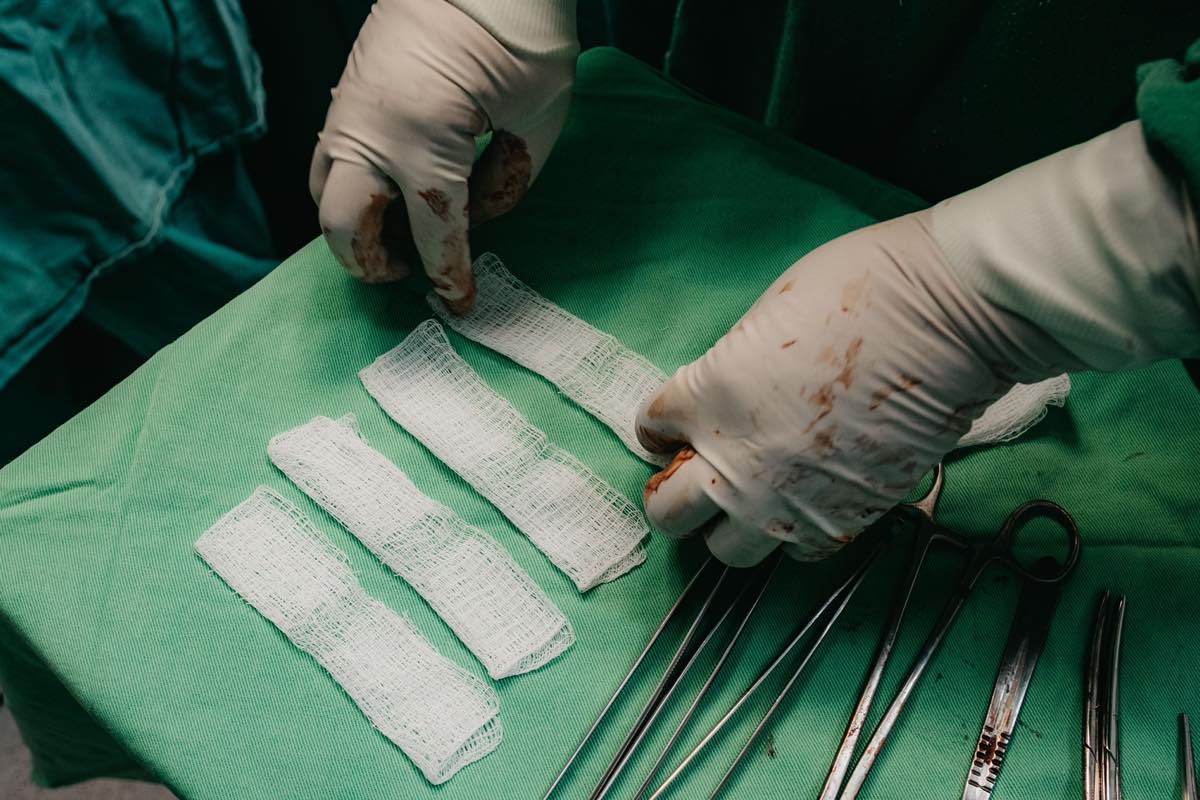
Ninety percent smaller is not closed. And the control arm — offloading, debridement — genuinely works.
Complete Wound Closure Is Binary, Brutal, and the Only Endpoint That Counts.
The FDA's accepted primary endpoint for chronic wound products is complete closure — full epithelialisation, confirmed and durable, usually within twelve weeks. It is unforgiving by design: a wound that is ninety percent smaller has not closed. Percent area reduction, granulation quality, and time-to-closure are supportive at best.
That endpoint, combined with the requirement for good wound care in the control arm — offloading, debridement, moisture management — is why so many products with real biological activity fail. The control arm works. We design wound trials against complete closure and a control arm that will actually perform, because the alternative is discovering both at once.
The Regulatory and Reimbursement Corrections Are Landing Together.
Wound care is being repriced and re-examined at the same time, which is a difficult combination for a business built on the old settings.
One determination — minimal manipulation and homologous use — separates an establishment registration from a full biologics licence.
to complete closure, confirmed and durable, against a control arm receiving genuinely good wound care. Nothing partial counts.
The FDA's enforcement discretion period for HCT/P products has ended. Marketing claims and filing status now have to agree.
Six Failure Modes We Are Brought In to Prevent.
In this field the marketing department frequently writes the regulatory strategy without knowing it.
Non-homologous claims on a 361 filing
Marketing tissue as stimulating healing while registering it as a wound covering — the mismatch that ended enforcement discretion.
Complete closure underestimated
Powering on percent area reduction and discovering the agency only accepts full, durable epithelialisation.
A control arm that works
Failing to model good wound care in the comparator, and losing to offloading and debridement done properly.
Antimicrobial claim creep
A dressing that claims to treat infection rather than manage the wound environment, and lands in drug review.
Reimbursement-led development
Building the product around a payment code rather than an evidence base, as the code changes underneath it.
SaMD arriving unnoticed
Adding photographic measurement or AI tissue classification and acquiring software regulatory obligations nobody planned for.
Wound Care Regulatory Leadership That Starts With the Classification.
Our wound care leads have taken skin substitutes through the 361/351 determination, designed complete-closure trials, and rebuilt programs after enforcement discretion ended.
"In wound care, your regulatory pathway is decided by your marketing claim and your manufacturing process — usually before anyone in regulatory has been asked."
The discipline we bring across dressings, skin substitutes, advanced devices, and wound biologics.
From the newsroom
The record moves. Follow it.
Regulatory News is our independent newsroom — every story sourced to the primary record, published the day it lands. These are the beats that touch this page. RegulatoryNews.com →
- Devices510(k)s, De Novos, PMAs and EU MDR.
- FDAApprovals, clearances, letters and guidance.
- GuidanceDraft and final guidance, as it lands.
- DrugsPharmaceutical approvals, labels and pathways.
- Industry SpotlightCompany milestones, reported in depth.
- Full archiveEvery story we have published, searchable.
Bringing a Wound Product Forward? Settle 361 or 351 First.
Bring senior wound care regulatory leadership in before the claim, the process, and the filing status disagree with each other.
Senior-led. Embedded in your team. No junior hand-offs.