Where a Toothpaste Is Three Different Regulatory Products.
Regulatory strategy for oral health — where the same tube can be a cosmetic, an OTC drug, and a device depending on one claim.

Free proposal · three minutes
Get your free dental and oral health regulatory proposal
No sales call. No account. No obligation.
What do you need?
Oral Health Is the Cleanest Classification Puzzle in Medicine.
A whitening paste is a cosmetic. Add fluoride for caries prevention and it becomes an OTC drug under a monograph. Market it as an abrasive that mechanically removes plaque and you have argued yourself into a device. Nothing in the tube changed — only the sentence on the box.
That makes dentistry unusually punishing for consumer-goods companies, who write marketing copy before they check jurisdiction. We fix the classification first and write the claims to it, because in oral health the claim is not a description of the product — it is the product's regulatory identity.
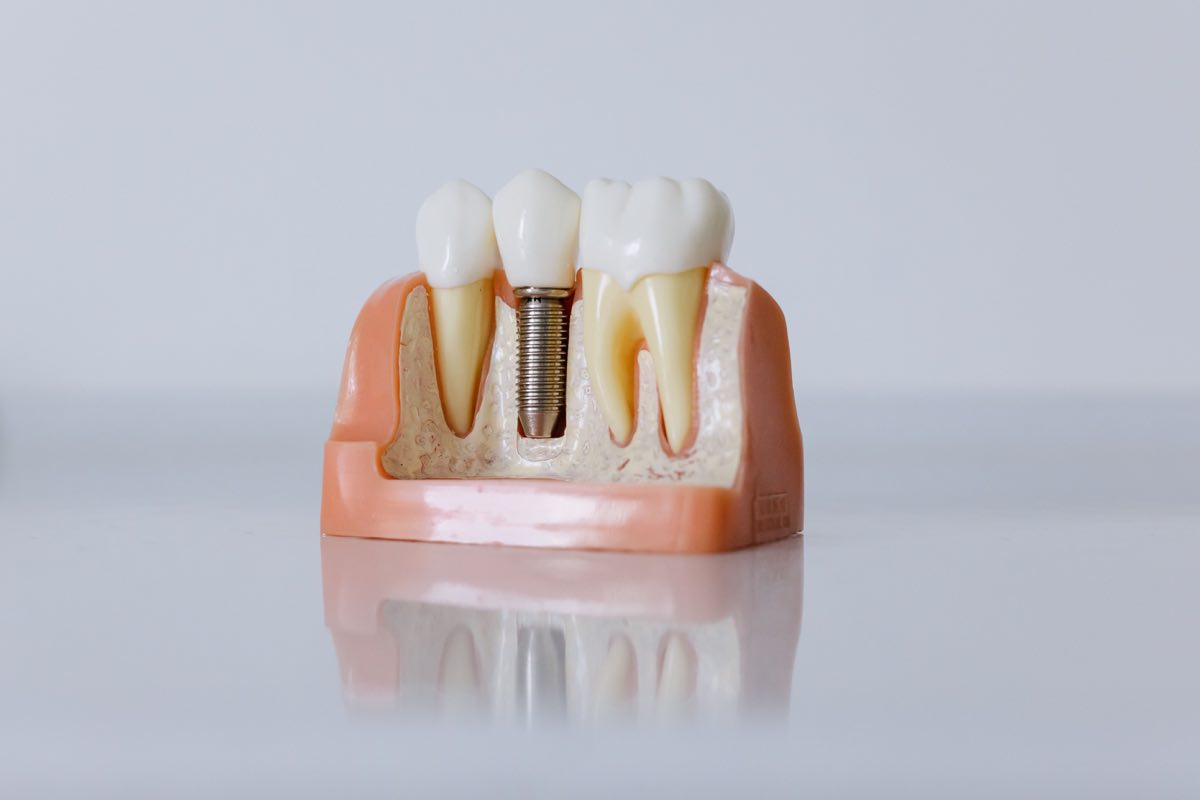
Cosmetic, OTC drug, or device — in oral care the difference is a sentence, not a formulation.
The Same Tube, Filed Three Different Ways.
Oral care sits at the intersection of three regulatory regimes. The claim determines which one you are in, and each brings a wholly different burden of proof.
No premarket approval, but MoCRA now brings facility registration, product listing, and safety substantiation obligations that did not exist before.
Marketed under the anticaries monograph if the formulation conforms exactly. Deviate and you need an NDA — for toothpaste.
A physical mode of action puts it under device rules: classification, 510(k), and a quality system a consumer-goods plant does not have.
A therapeutic claim in a diseased population — full clinical evidence, and often a combination product if it is delivered by a matrix.
MoCRA closed the easy door. Cosmetic status used to mean effectively no FDA infrastructure; the Modernization of Cosmetics Regulation Act added facility registration, product listing, adverse-event reporting, and safety substantiation. The cheapest classification is no longer free — and companies that chose it to avoid regulation now have obligations they never staffed for.
Dentistry Covers Implants, Chemistry, and Consumer Retail.
The specialty spans surgical implants under device rules, restorative chemistry with biocompatibility problems, and a retail aisle with monograph obligations.
Dental Implants
Class II implants cleared on 510(k) with surface characterisation, fatigue testing to ISO 14801, and osseointegration claims that must be earned.
Restorative Biomaterials
Where ISO 10993 biocompatibility, monomer leachables, and bond-strength testing carry a submission that looks nothing like a trial.
Orthodontics
A field transformed by direct-to-consumer models, remote treatment, and the software that plans it — which is regulated software.
Oral Care & OTC
Fluoride, antigingivitis, and desensitising products living inside monographs where conformity is everything and MoCRA now applies below them.
Periodontal Therapeutics
Locally delivered antimicrobials and matrices that land as combination products with a lead-center question.
Digital Dentistry
Imaging, scanning, and chairside milling — including the AI-assisted caries detection software that pulled dentistry into SaMD.
When a Class II appliance is prescribed from a photograph, the FDA reviews the pathway, not just the plastic.
Direct-to-Consumer Dentistry Taught the FDA a Lesson It Kept.
Clear aligners sold without an in-person examination raised a question the agency had not had to answer: what happens when a Class II device is prescribed through a remote workflow and a photograph? Complaints, state dental board actions, and FDA scrutiny followed, and the episode hardened expectations around the professional's role in the loop.
The lasting effect is on any dental product with a software planning layer or a remote model — the workflow, not just the appliance, is now part of what gets reviewed. We treat the care pathway as a regulated component of the product, because the FDA has already decided that it is.
In Oral Health, Regulatory Identity Is a Marketing Decision.
No other field on this site lets a copywriter change a product's regulatory class without touching the formulation.
Cosmetic, OTC monograph drug, and device rules all reach the same shelf. The claim decides which one you answer to.
Cosmetic status now carries facility registration, product listing, and safety substantiation — the free option expired.
Dental implant fatigue testing to the recognized standard is the backbone of a 510(k) that will clear without a hold.
Six Failure Modes We Are Brought In to Prevent.
Nearly all of them start with a claim written before anyone asked which regulator owns it.
Claim-driven reclassification
Marketing copy that promises a therapeutic or mechanical benefit and converts a cosmetic into an unapproved drug or device.
Monograph non-conformity
An anticaries formulation that deviates from the monograph in concentration or vehicle, quietly requiring an NDA nobody budgeted.
MoCRA obligations unstaffed
Treating cosmetic status as regulation-free after MoCRA added registration, listing, and substantiation duties.
Implant fatigue gaps
A dental implant 510(k) without ISO 14801 fatigue data on the actual final configuration, including the abutment connection.
Leachables unanswered
Restorative chemistry submitted without the monomer leachables and biocompatibility package the reviewer expects.
Remote workflow unaddressed
A direct-to-consumer or teledentistry model that ignores what the aligner episode taught the agency about professional oversight.
Dental Regulatory Leadership That Starts With Jurisdiction.
Our dental leads have cleared implant families, kept consumer oral-care products inside their monographs, and untangled products that were three regulatory categories at once.

"In oral health, the regulatory strategy is written by whoever writes the claim. Get that person in the room before the packaging is designed, not after."
The discipline we bring across implants, biomaterials, orthodontics, oral care, and digital dentistry.
From the newsroom
The record moves. Follow it.
Regulatory News is our independent newsroom — every story sourced to the primary record, published the day it lands. These are the beats that touch this page. RegulatoryNews.com →
Launching an Oral Health Product? Settle the Class Before the Packaging.
Bring senior dental regulatory leadership in while the claim, the formulation, and the route are still one conversation.
Senior-led. Embedded in your team. No junior hand-offs.