When Every Unit Is Different, What Exactly Did You Validate?
Regulatory strategy for additive manufacturing — validating a process instead of a part, from mass-produced prints to patient-matched implants and the point of care.
Free proposal · three minutes
Get your free 3D-printed device proposal
No sales call. No account. No obligation.
Which markets matter in the next 18 months?
Device Regulation Assumes Identical Units. Additive Manufacturing Doesn’t Make Them.
Traditional device validation rests on a quiet assumption: you make many copies of one design, so testing a sample tells you about the population. Additive manufacturing dissolves that. A patient-matched implant may be the only one of its geometry ever built — there is no sample, no population, and nothing to test destructively that is also the thing you implant.
FDA’s technical considerations guidance answers with a shift of subject: you validate the process and the design envelope, not the part. Establish that any geometry inside a defined range, built on qualified equipment with controlled parameters and post-processing, meets specification — and then hold that envelope with the discipline of a manufacturing organization, because that is now what you are.
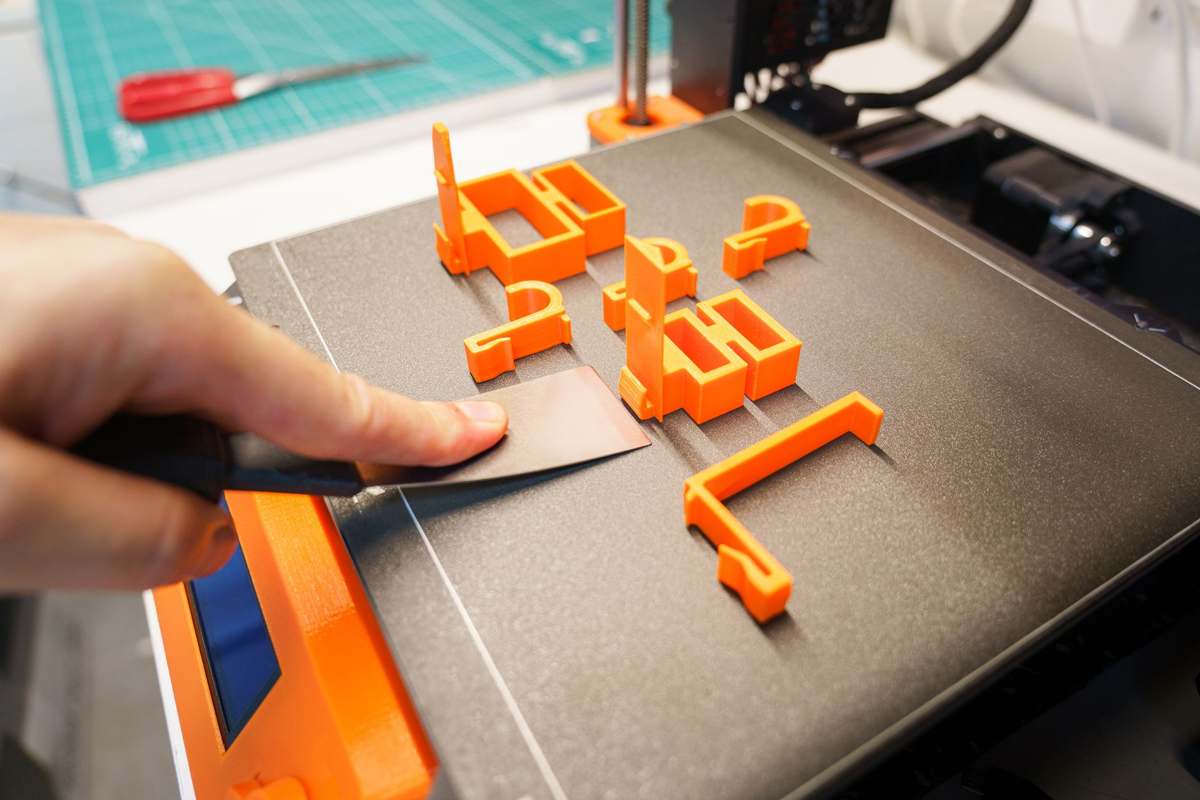
You cannot destructively test the implant you are about to implant. The process has to carry the proof.
Three Tiers, Three Different Regulatory Products.
“We 3D print it” describes a manufacturing method, not a regulatory position. Where you sit on this spectrum decides what you file and what you own forever.
Standard Printed Devices
One fixed design, printed at volume. The geometry is constant; only the method is additive.
- What you validate
- The build process and its parameters, then the finished device like any other.
- The catch
- Build-location and orientation effects — parts from different plate positions are not automatically the same part.
Patient-Matched Devices
One design family, adapted per patient from imaging inside a pre-defined dimensional envelope.
- What you validate
- The design envelope itself — worst-case geometries at the range’s edges, plus the software that turns a scan into a build file.
- The catch
- Your imaging-to-design pipeline is regulated software, and clinician-supplied anatomy is an input you don’t control.
Point-of-Care Manufacturing
Printing at or near the hospital — the model that turns a health system into a manufacturer.
- What you validate
- Everything above, replicated at every site, plus who holds the manufacturer’s obligations at each one.
- The catch
- Establishment registration, quality system, and complaint handling have to live somewhere. FDA has been explicit that the question is unsettled — plan for the strictest reading.
The tier decides the submission. A patient-matched implant is not a custom device — the custom device exemption is narrow and almost never the answer a business plan can live on. Establish which tier you are in before the sales team promises the third one.
Feedstock reuse, laser settings, and post-processing are the real product specification.
The Powder You Reuse Is Part of Your Device Specification.
Additive programs get caught by the unglamorous middle of the workflow. Metal powder is recycled build after build, and its particle size distribution and oxygen content drift with every cycle — so reuse limits are a specification, not a housekeeping rule. Laser power, scan speed, layer thickness, and gas flow are process parameters with mechanical-property consequences that a certificate of conformance will not catch.
Then post-processing, where most nonconformances originate: support removal, heat treatment, HIP, surface finishing, and the cleaning of internal channels and porous lattices that were designed for bone ingrowth and are excellent at retaining residues. Cleaning validation for a porous printed structure is a genuinely hard problem — and sterilization has to reach the same places. We build the parameter and reuse controls before the first commercial build, because retrospective process characterization is archaeology.
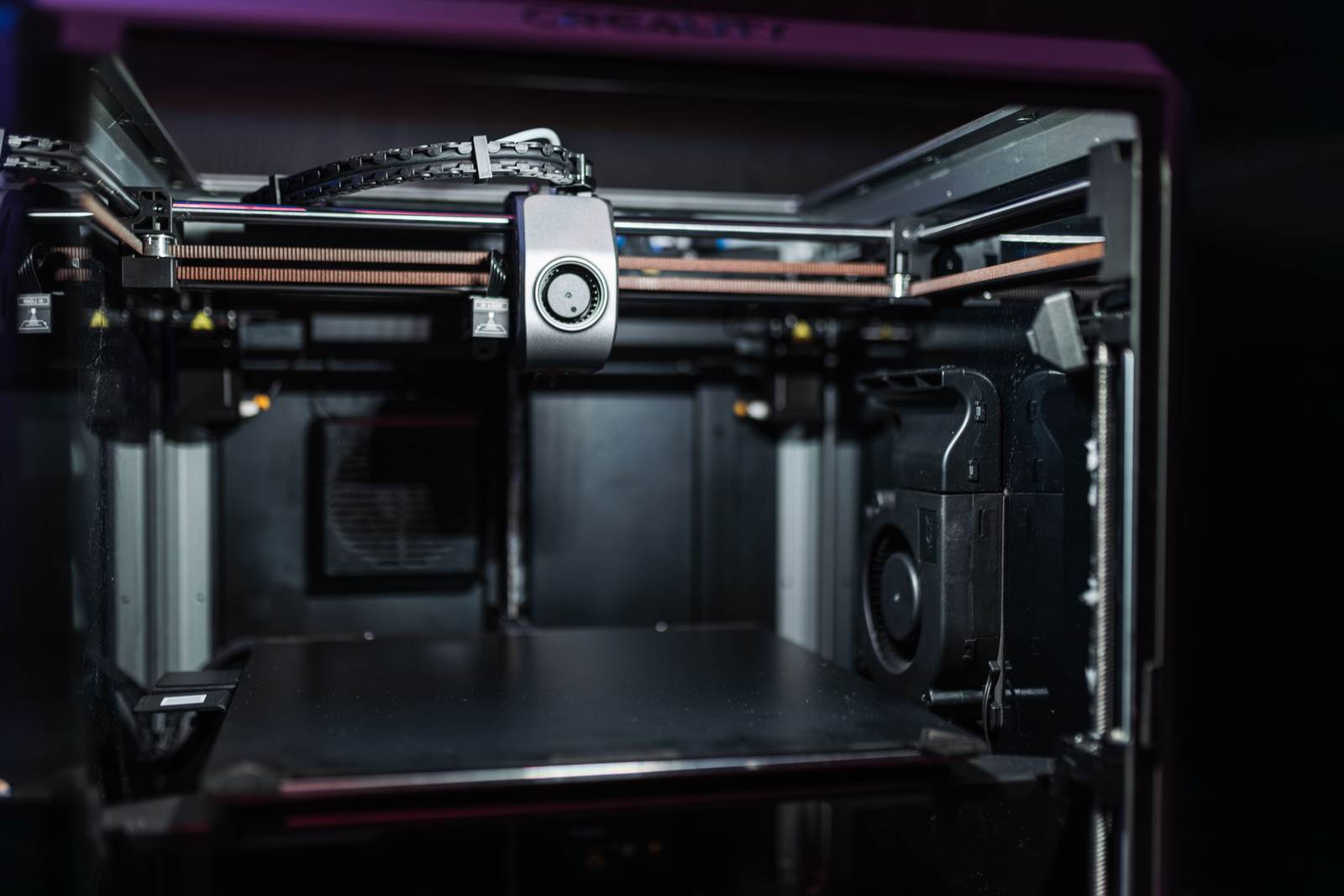
You Don't Validate a Part. You Validate a Machine on a Tuesday.
Powder lot, laser power, build orientation, recoat, plate position — the finished device inherits every one of them. Change the process and you have printed a different product.
What an Additive Program Plans Around.
Three truths that reshape how a device organization has to think — set like build parameters.
Not a part — a defined design range, proven at its worst cases and held by process control.
Test the edges of the range, not the pretty demo geometry. The reviewer will ask which one you built.
Printing in a hospital makes someone a manufacturer. Decide who — with counsel — before the first clinical build.
Six Failure Modes We Are Brought In to Prevent.
Additive manufacturing punishes the assumption that a printer is a tool rather than a process.
Validation on the demo geometry
The showcase part passes; the envelope’s worst case was never built, and the reviewer asks for it by name.
Powder reuse without limits
Recycled feedstock with drifting particle size and oxygen pickup — a specification changing quietly, build over build.
Build location ignored
Parts from plate edge and plate center treated as identical, with no data establishing that they are.
Porous lattices, unvalidated cleaning
Structures engineered for ingrowth that trap powder and residues — cleaning proven on a solid coupon instead.
Design software off the QMS
The imaging-to-build pipeline treated as an internal tool rather than the regulated software it functions as.
“Custom device” as a business model
A narrow statutory exemption stretched to cover a patient-matched product line — until the inspection.
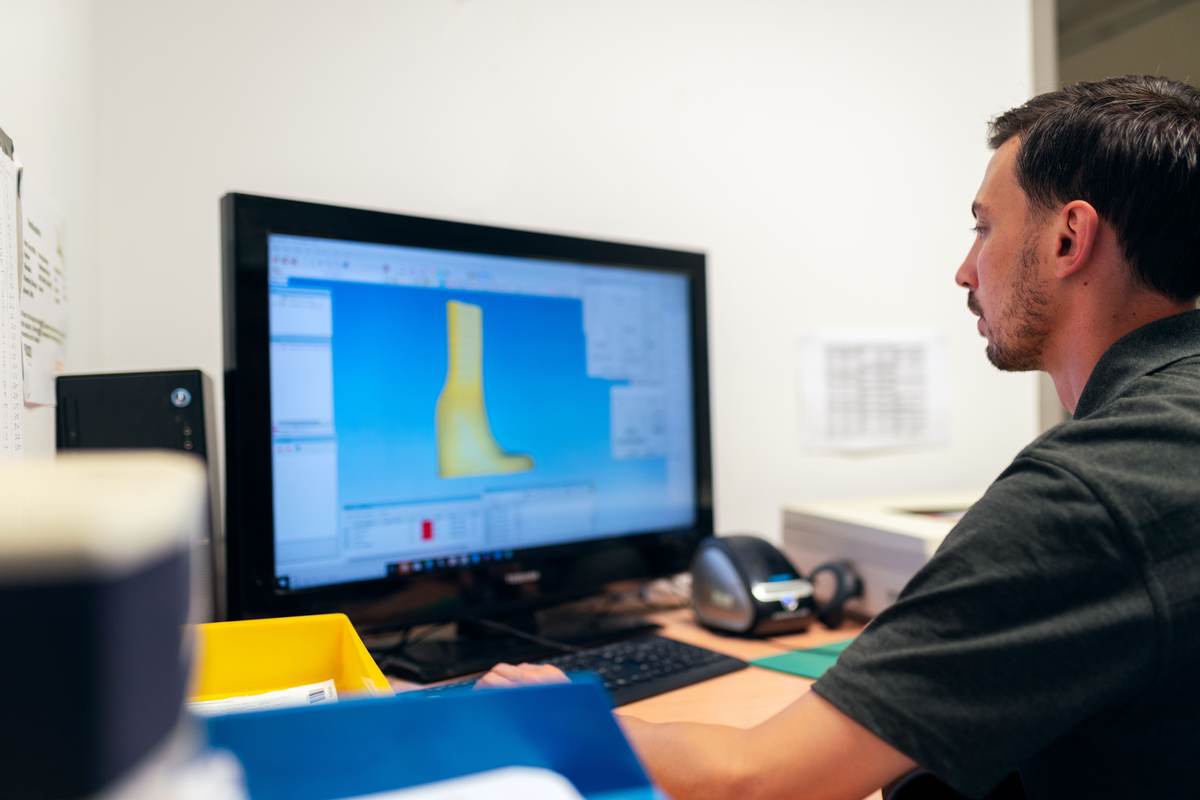
Additive Manufacturing Leadership That Has Been on the Build Floor.
Our leads have validated design envelopes, set powder-reuse specifications, and taken patient-matched implants through review.
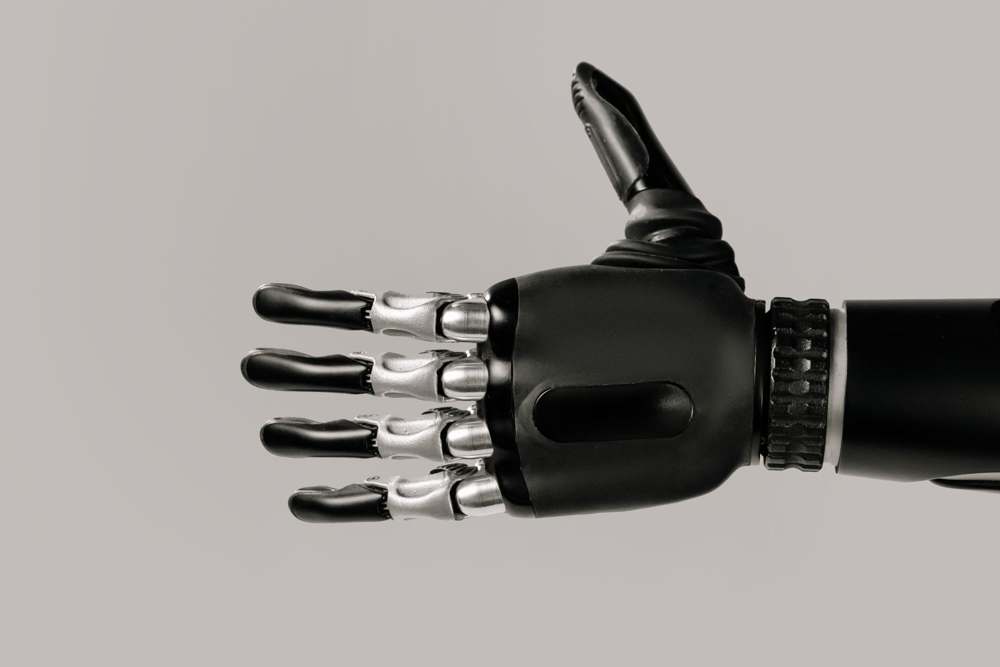
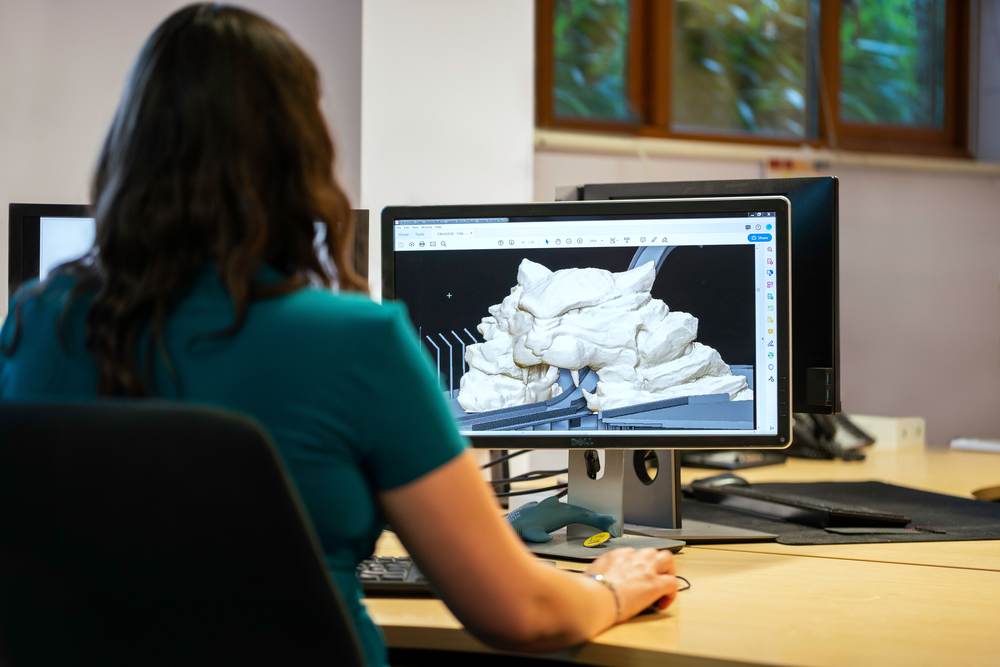
“In additive, the device you validated and the device you implanted are never the same object. The process is the only thing that connects them.”
The discipline we bring to printed implants, patient-matched devices, and point-of-care manufacturing.
From the newsroom
The record moves. Follow it.
Regulatory News is our independent newsroom — every story sourced to the primary record, published the day it lands. These are the beats that touch this page. RegulatoryNews.com →
- Devices510(k)s, De Novos, PMAs and EU MDR.
- FDAApprovals, clearances, letters and guidance.
- GuidanceDraft and final guidance, as it lands.
- DrugsPharmaceutical approvals, labels and pathways.
- Industry SpotlightCompany milestones, reported in depth.
- Full archiveEvery story we have published, searchable.
Printing Devices? Validate the Envelope Before You Promise the Geometry.
Bring senior additive manufacturing leadership in before the first commercial build — process characterization does not work in retrospect.
Senior-led. Embedded in your team. No junior hand-offs.