The Batch Size Is One. The Patient Is Already Waiting.
Regulatory strategy for autologous and allogeneic cell therapies — where the process is the product and the clock is a patient.
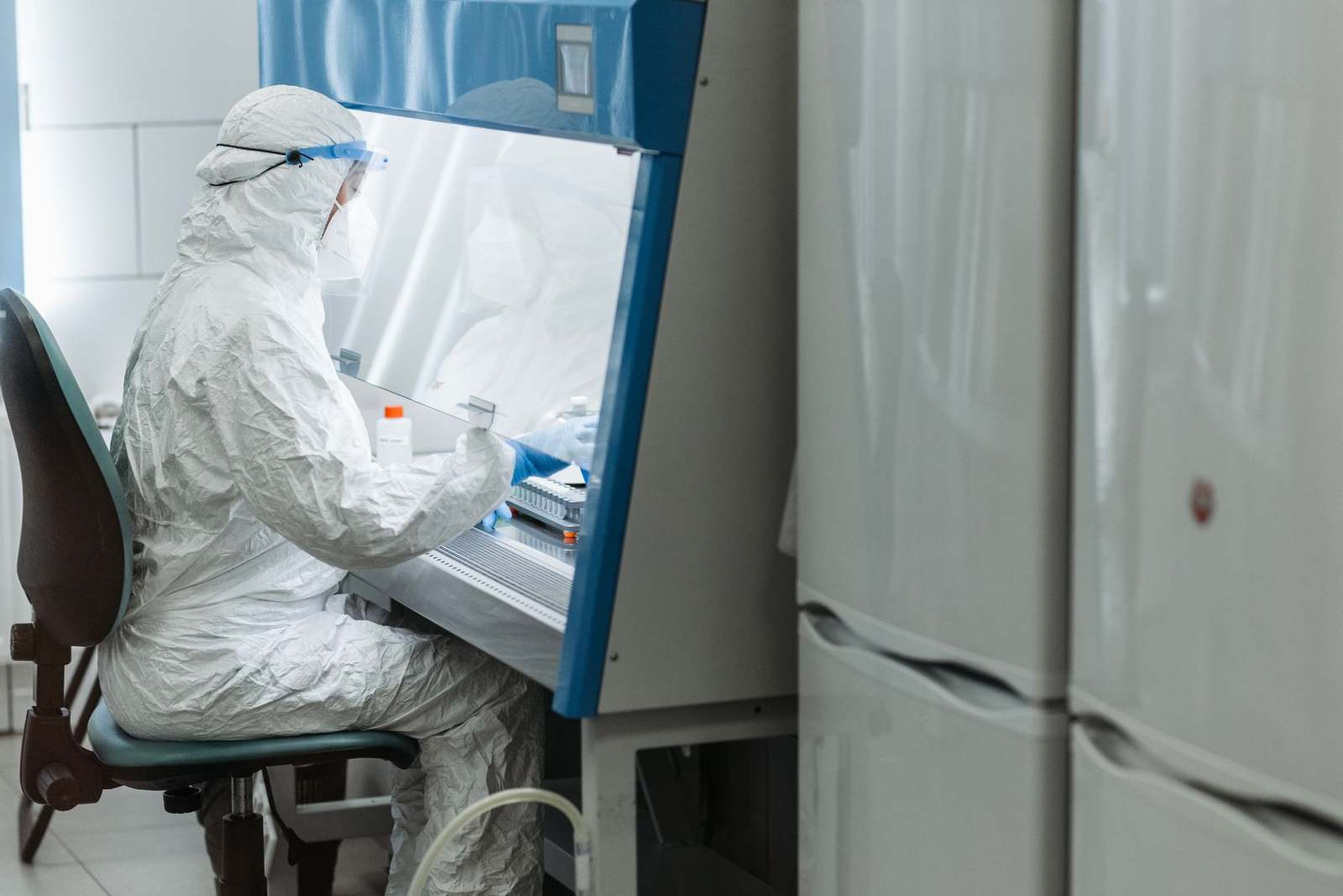
Free proposal · three minutes
Get your free cell therapy proposal
No sales call. No account. No obligation.
Which markets matter in the next 18 months?
You Cannot Reject This Batch. It Is Made of Your Patient.
Every quality system in pharma rests on an assumption cell therapy breaks: that a failing batch can be rejected. In autologous therapy, the starting material is the patient’s own cells, the batch is their treatment, and they are on a clock — often a lymphodepleted one. An out-of-specification result is not a manufacturing decision; it is a clinical crisis, and the deviation process has to be designed for that reality.
This drives the category’s distinctive machinery: release testing compressed into days, sterility methods that give answers before the product expires, potency assays run on tiny volumes, and out-of-spec release procedures with a clinical-benefit rationale documented in advance. The starting material varies because patients vary — heavily pretreated lymphocytes are not a controlled input, and your process has to hold anyway.

Cryopreservation, shipping, and thaw at the bedside — every step a chance to lose a patient’s only dose.
Five Stops, One Patient, No Second Chance.
The vein-to-vein journey is the regulatory unit of a cell therapy program. Each stop carries a risk that ends the batch — and the batch is somebody’s treatment.
Collection
Apheresis at a site you do not run, from a patient whose disease and prior therapy shaped the cells you receive.
Risk: variable starting materialTransport in
Chain of identity and chain of custody — the two documents that prove these cells are that patient’s cells.
Risk: mix-up is catastrophicManufacture
Selection, activation, transduction, expansion — segregated, aseptic, and often manual. Scale-out, not scale-up.
Risk: contamination, failure to expandRelease
Sterility, potency, identity, purity — on a tiny sample, in days, while the patient is being conditioned.
Risk: OOS with no reject optionInfusion
Cryoshipper to bedside, thawed by a nurse to a procedure you wrote. Then long-term follow-up, for years.
Risk: the last mile you don’t controlAnd the follow-up does not end. Gene-modified cell therapies carry long-term follow-up expectations measured in years — up to fifteen for integrating vectors — because insertional mutagenesis is a real, delayed risk. That commitment is made at IND and honoured long after launch.
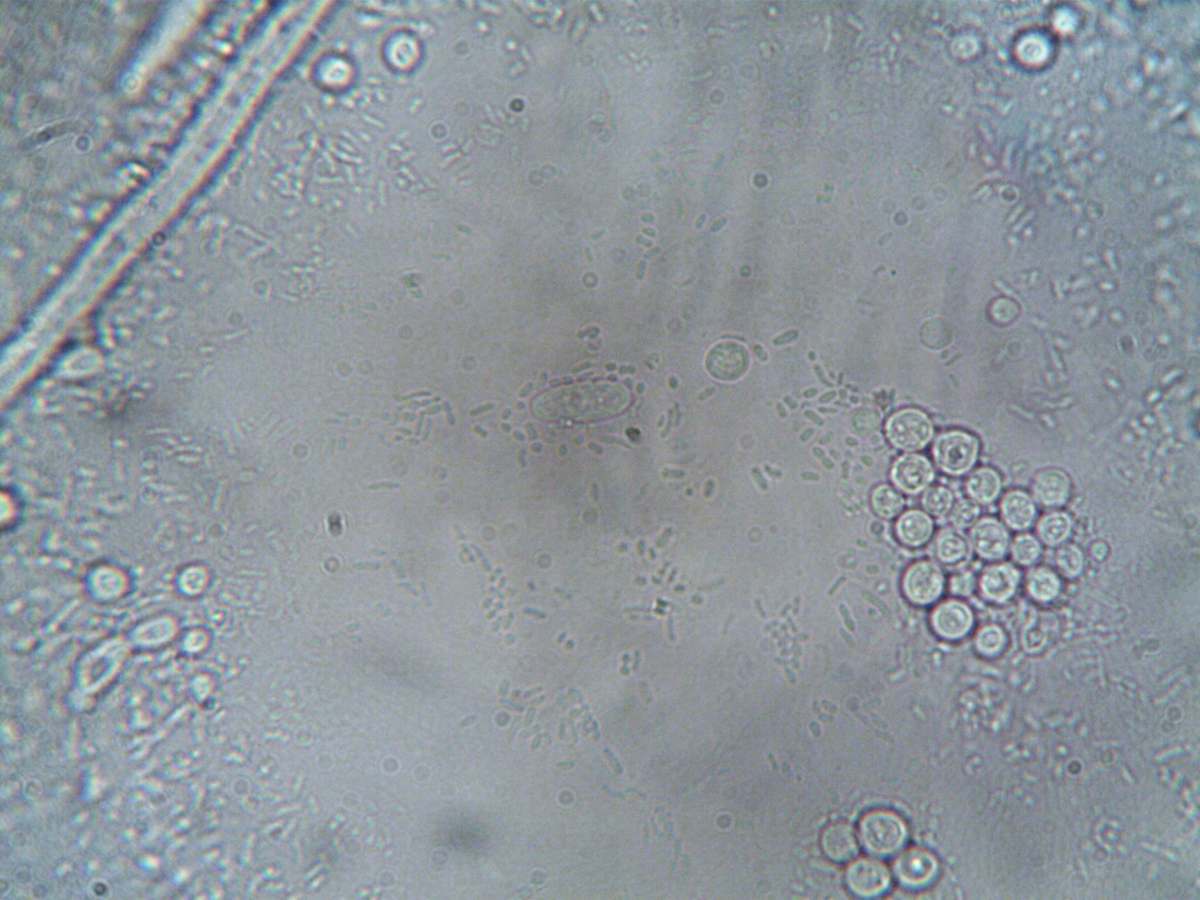
The assay has to measure biological function — on a fraction of a dose, in days.
Every Process Improvement Is a Comparability Exercise on a Product You Cannot Stockpile.
Cell therapy processes improve constantly — automation replacing manual steps, closed systems replacing open ones, a new vector lot, a different serum. Each is a change to a product defined by its process, and Q5E comparability applies. But you cannot hold a retain of an autologous product to compare against, and every batch is a different patient. The comparability argument has to be built from process characterization and analytics, not from side-by-side lots.
The encouraging development: FDA has been actively building flexibility here — platform technology designation, CMC flexibilities for cell and gene therapy products, and a prior-knowledge framework that lets sponsors leverage justified existing data rather than repeating everything de novo. Those mechanisms reward companies whose platform is documented as a platform from the start, not retrofitted into one.

An Autologous Product Has No Rework, No Rejection, and No Second Chance.
Chain of identity, a lot that is a single patient, and long-term follow-up committed for fifteen years — the deviation path is designed for a product you cannot remake.
What a Cell Therapy Program Plans Around.
Three realities with no analogue anywhere else in medicine.
The batch size for an autologous product. No rejection, no rework, no second chance — design the deviation path accordingly.
The document that proves these cells are that patient’s. A mix-up here is not a quality event; it is a catastrophe.
Long-term follow-up for integrating vectors. A commitment made at IND and honoured for a generation.
Six Failure Modes We Are Brought In to Prevent.
Most are a company applying biologics habits to a product that is not a biologic in any operational sense.
Potency assay unready at pivotal
A functional assay still in development when the pivotal trial starts — and no way to set a specification at BLA.
No out-of-spec release procedure
An OOS result, a conditioned patient, and a decision being made in real time with no pre-agreed framework.
Sterility method too slow
Compendial timelines that outlast the product — rapid methods not validated in time.
Process improvements with no comparability plan
Automation introduced mid-program, and a bridging argument nobody designed the data to support.
Apheresis sites unqualified
Collection variability from sites with no standardized procedure — a starting material problem that reads as a process problem.
Platform claimed, not documented
Reusing prior knowledge across products without the characterization to justify it — the flexibility exists, the evidence does not.

Cell Therapy Leadership That Has Watched the Clock.
Our cell therapy leads have built potency strategies, designed release under time pressure, and carried comparability through process change.


“Every other product lets you reject the batch. Here the batch is the patient’s only dose and they are already conditioned. Design for that, or discover it at 2 a.m.”
The discipline we bring to autologous, allogeneic, and gene-modified cell therapies.
From the newsroom
The record moves. Follow it.
Regulatory News is our independent newsroom — every story sourced to the primary record, published the day it lands. These are the beats that touch this page. RegulatoryNews.com →
- Advanced therapiesCell and gene therapy approvals and designations.
- FDAApprovals, clearances, letters and guidance.
- GuidanceDraft and final guidance, as it lands.
- Devices510(k)s, De Novos, PMAs and EU MDR.
- Regulator registerThe 36 authorities the newsroom tracks.
- Full archiveEvery story we have published, searchable.
Building a Cell Therapy? Design Release Before the First Patient Is Conditioned.
Bring senior cell therapy leadership in while potency and the OOS path are still design decisions.
Senior-led. Embedded in your team. No junior hand-offs.