Same Sensor. Same Signal. Three Different Regulatory Products.
Regulatory strategy for wearables — where the claim, not the hardware, decides whether you are a consumer product or a medical device.

Free proposal · three minutes
Get your free wearable device proposal
No sales call. No account. No obligation.
Which markets matter in the next 18 months?
Nobody Ever Cleared a Sensor. They Clear What You Say It Detects.
The photoplethysmography in a fitness band and the photoplethysmography in a cleared irregular-rhythm feature are frequently the same physics on the same wrist. What separates them is a sentence: one says “know your heart,” the other says “detect atrial fibrillation.” The second sentence is a device claim, and it carries a submission, a performance study, and a lifetime of postmarket obligations.
The smartwatch precedents proved the strategy the whole category now copies: ship the sensor under general wellness, then clear specific features through De Novo with real performance data, one narrow claim at a time. That layering is deliberate engineering of regulatory scope — and it only works if someone is keeping the wellness surface and the cleared surface honestly separate.
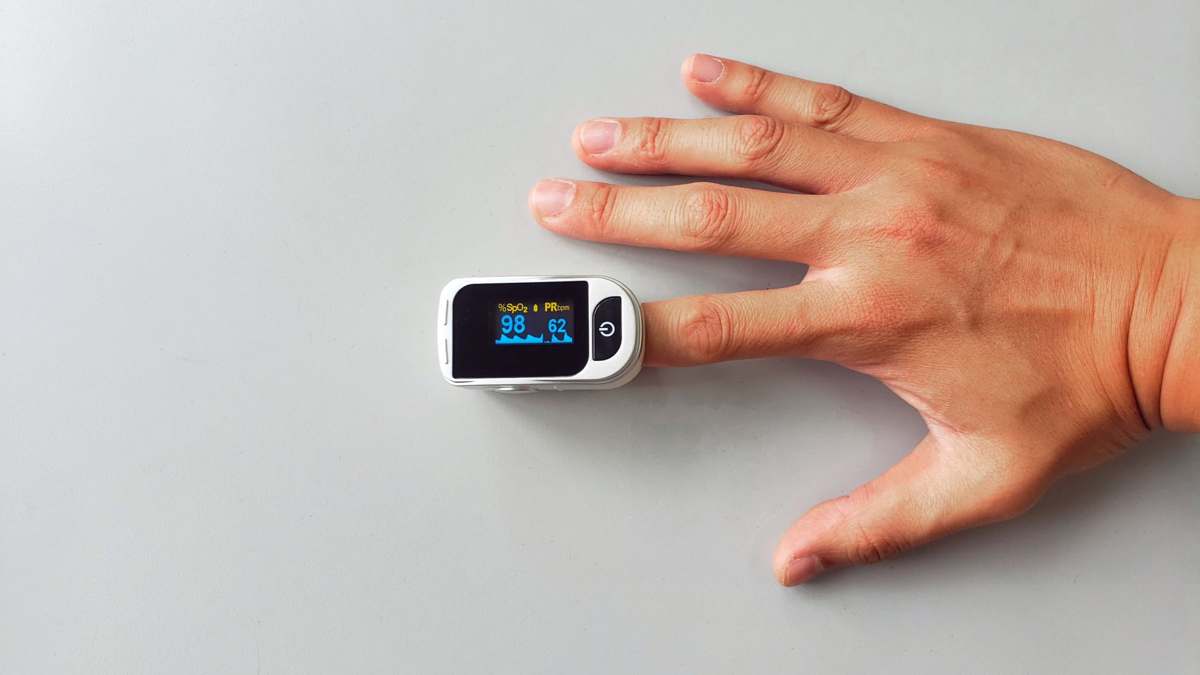
Pulse oximetry taught the category that a sensor validated on some skin tones is validated on some patients.
Turn the Claim Dial and Watch the Obligations Arrive.
One device, three positions. Each turn of the dial adds evidence, oversight, and permanence — and none of them are reversible once the market has seen the claim.
Position one · General Wellness
“Know your activity.”
Fitness, sleep quality, mindfulness, general fitness tracking. No disease claim, low risk, outside the device definition entirely.
Owes: honest marketing. That’s the whole file — and it is fragile.Position two · Medical-Grade Measurement
“Measure your heart rate.”
A quantitative physiological claim with an accuracy specification. The number is now something a clinician might act on.
Owes: accuracy validation across postures, motion, skin tones, and perfusion states.Position three · Diagnostic Claim
“Detect atrial fibrillation.”
A disease claim on a consumer wrist. This is a device: submission, clinical performance, labeling, and postmarket duties.
Owes: sensitivity and specificity in the intended-use population, plus what happens to every false positive.The dial only turns one way in public. Once your marketing has made a position-three claim, you cannot walk it back to position one by editing the app-store copy — the intended use is established by everything you have said. We put the dial under governance: a claims register, release-gate review, and a documented position for every feature.

Motion, sweat, tattoos, and cold hands are not edge cases. They are Tuesday.
At Ten Million Users, a Rare False Positive Is a Cardiology Clinic’s Monday.
Wearables invert the usual risk math. Individually low-risk, deployed at consumer scale, they generate findings in enormous volumes — and the health system absorbs every one. A specificity number that looks excellent in a study becomes tens of thousands of worried users when the denominator is a national install base. The regulatory conversation about screening claims in low-prevalence populations is exactly this arithmetic.
The other lesson the category learned the hard way is representativeness: pulse oximetry accuracy varying with skin pigmentation moved from academic finding to regulatory priority, and every optical sensor program now inherits that expectation. We scope validation for the population and conditions of real use — motion, perfusion, pigmentation, fit — because the alternative is discovering your accuracy claim was a laboratory claim.
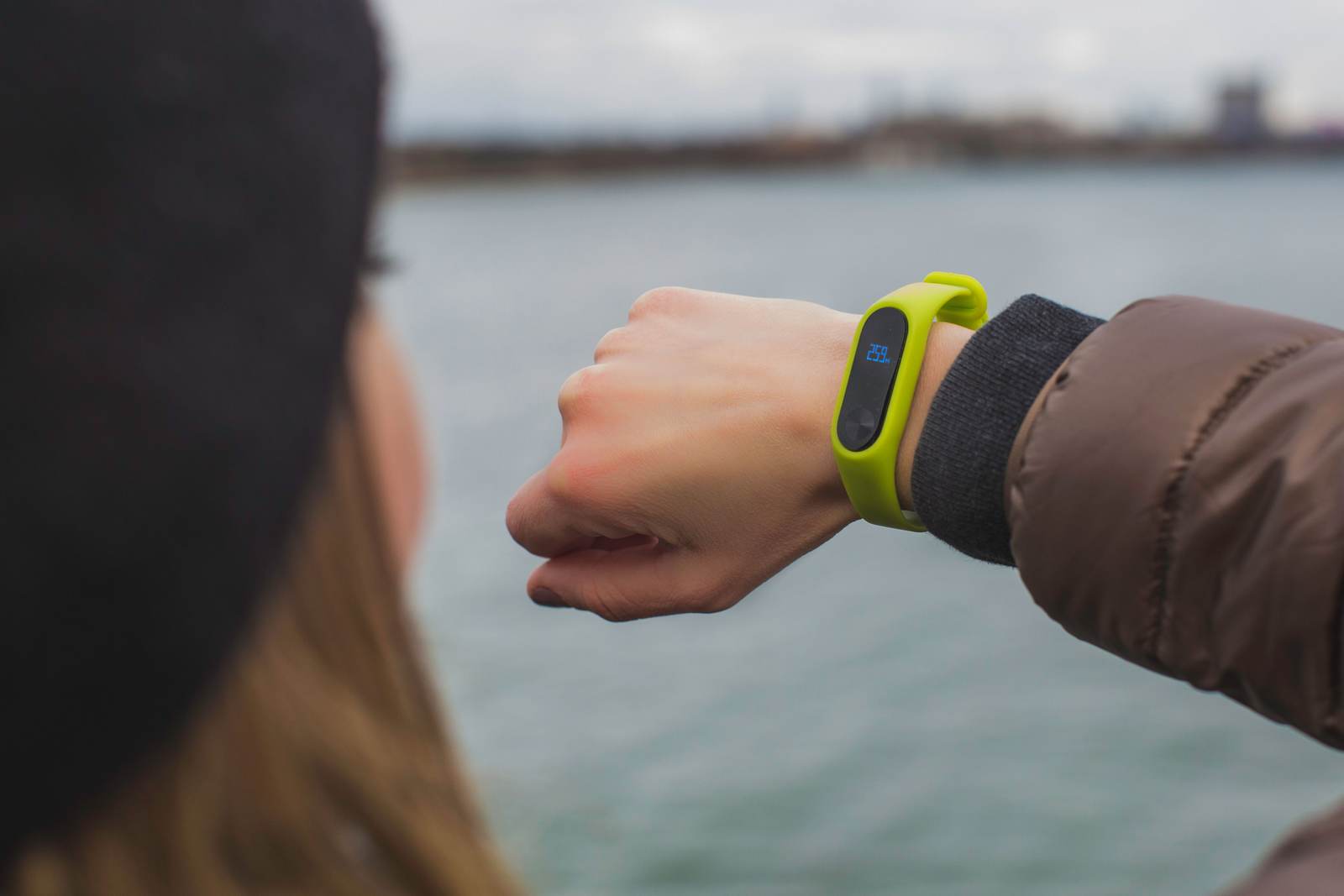
The Same Sensor Ships to Ten Million Wrists. One Claim Makes It a Device.
A wellness band and a cleared arrhythmia feature can be the same physics — the label, not the hardware, decides which regulatory product you are, and at what scale you own the false positives.
What a Wearables Program Plans Around.
Three constants for a product that is medical only when it says so.
The regulator of this category. Same silicon, three positions, three different companies.
Clearance comes one narrow function at a time — the wellness platform stays wellness underneath.
Specificity is an operational number. Multiply your false-positive rate by the install base before you claim it.
Six Failure Modes We Are Brought In to Prevent.
Consumer velocity meeting device obligations, every time.
Marketing turns the dial
A growth campaign promising detection on a product filed as wellness — the intended use changed and nobody told regulatory.
Accuracy validated on the team
Bench data from young, still, well-perfused volunteers — then deployment onto everyone else.
Skin-tone performance unexamined
An optical sensor with no pigmentation analysis, in a regulatory climate that now expects one.
No plan for the true positives
A detection feature that works, generating findings with no clinical pathway — the health system becomes your unpaid follow-up arm.
Firmware updates outside change control
An OTA release that touches the algorithm behind a cleared feature, shipped on the consumer cadence.
Wellness and cleared surfaces blurred
One app where the cleared feature and the wellness features are indistinguishable to the user — and therefore to the reviewer.
Wearables Regulatory Leadership at Consumer Velocity.
Our leads have kept wellness products wellness, cleared the features worth clearing, and built claims governance that survives a growth team.
“The hardware team spends two years on the sensor. The regulatory outcome is decided by a copywriter choosing between ‘track’ and ‘detect.’”
The discipline we bring to consumer health hardware, biosensors, and medical-grade wearables.
From the newsroom
The record moves. Follow it.
Regulatory News is our independent newsroom — every story sourced to the primary record, published the day it lands. These are the beats that touch this page. RegulatoryNews.com →
- Healthcare technologySaMD, AI-enabled devices and digital health.
- FDAApprovals, clearances, letters and guidance.
- GuidanceDraft and final guidance, as it lands.
- Devices510(k)s, De Novos, PMAs and EU MDR.
- Industry SpotlightCompany milestones, reported in depth.
- Full archiveEvery story we have published, searchable.
Shipping a Wearable? Decide the Claim Before the Campaign Does.
Bring senior wearables regulatory leadership in while the claim is still a choice.
Senior-led. Embedded in your team. No junior hand-offs.