Medical and Surgical Robotics
FDA’s Position Is Simple: The Surgeon Is Still Operating.
Regulatory strategy for surgical and rehabilitation robotics — autonomy, human factors, and the evidence a platform needs when precedent is thin and claims are ambitious.
Free proposal · three minutes
Get your free surgical robotics proposal
No sales call. No account. No obligation.
Which FDA route do you expect?
The Robot Is an Instrument. The Surgeon Is the Operator.
FDA’s framing of robotically-assisted surgical devices has been consistent and it constrains every roadmap in the category: these systems do not perform surgery without direct human control. The surgeon is operating; the robot is how. That single premise is what lets most platforms clear as instruments rather than as something the agency has no framework for.
The tension is that engineering keeps pressing against it. A systematic review of robots cleared between 2015 and 2023 found the overwhelming majority sitting at the lowest rung of autonomy — robot assistance — with a small fraction reaching conditional autonomy, and the frameworks acknowledged as lagging the technology. The regulatory question for any robotics program is not “how autonomous can we be” but “how much autonomy can we evidence” — and those are very different roadmaps.
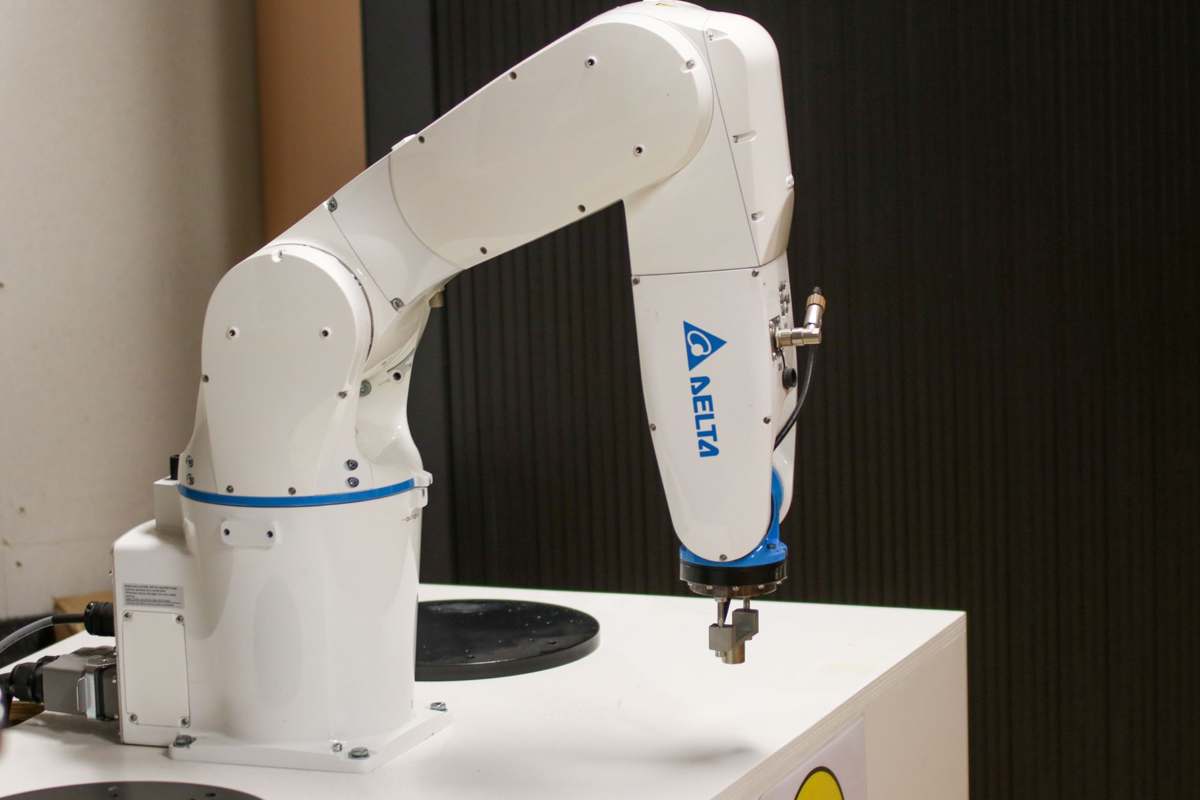
Sub-millimeter accuracy is an engineering claim. Clinical benefit is the one the file has to carry.
Five Levels of Autonomy. The Cleared Market Lives at the Bottom.
The Levels of Autonomy in Surgical Robotics scale is how researchers classify what a system actually decides. Map your roadmap onto it honestly — the level sets the evidence, and the top of the ladder has no cleared precedent at all.
Robot Assistance
The surgeon drives every motion; the robot steadies, scales, and filters tremor. Teleoperated platforms live here.
Most cleared devicesTask Autonomy
The robot executes a discrete task under continuous surgeon control — a bone cut inside a planned boundary, a defined suture throw.
Cleared, narrowerConditional Autonomy
The system generates a strategy; the surgeon approves and supervises. A small minority of cleared systems reach this rung.
Rare, evidencedHigh Autonomy
The robot plans and executes under supervision, with the surgeon as monitor rather than operator.
No cleared precedentFull Autonomy
The system performs the procedure. Contrary to FDA’s stated position on direct human control.
Not a pathwayWhere you sit decides everything downstream: the predicate you can claim, whether human factors is about a console or about supervision and takeover, how you evidence the AI that recognizes anatomy, and whether your submission is a 510(k) or a conversation the agency has not had before. We map the level first, in writing, and build the evidence plan the level demands.
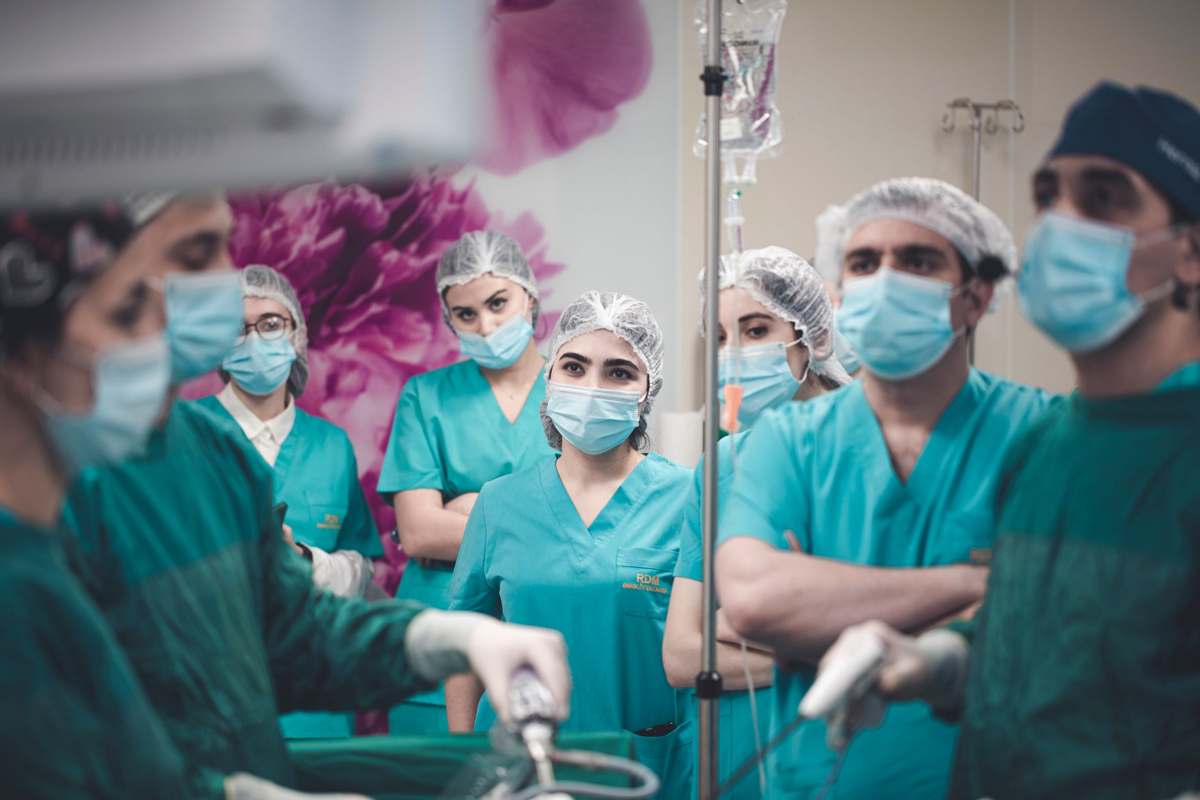
The learning curve is a real risk. A platform’s outcomes depend on a surgeon’s twentieth case, not the first.
Your Clinical Data Was Generated by Surgeons Who Were Learning Your Robot.
Robotic platforms carry an evidence problem no other device has in the same form: outcomes depend on operator proficiency, and proficiency is a function of case volume. Early cases are worse than late cases, which means the trial design, the training program, and the credentialing model are all part of the regulatory argument — not commercial afterthoughts.
The rest of the file is engineering discipline under IEC 60601-1 and its collaterals: emergency stop and safe-state behavior, force limits, redundant sensing, and the human factors of a surgeon who is meters away from the patient. Add AI — anatomy recognition, phase detection, guidance overlays — and the software framework, change control, and PCCP questions arrive too. We scope the platform, the training, and the algorithm as one regulated system.
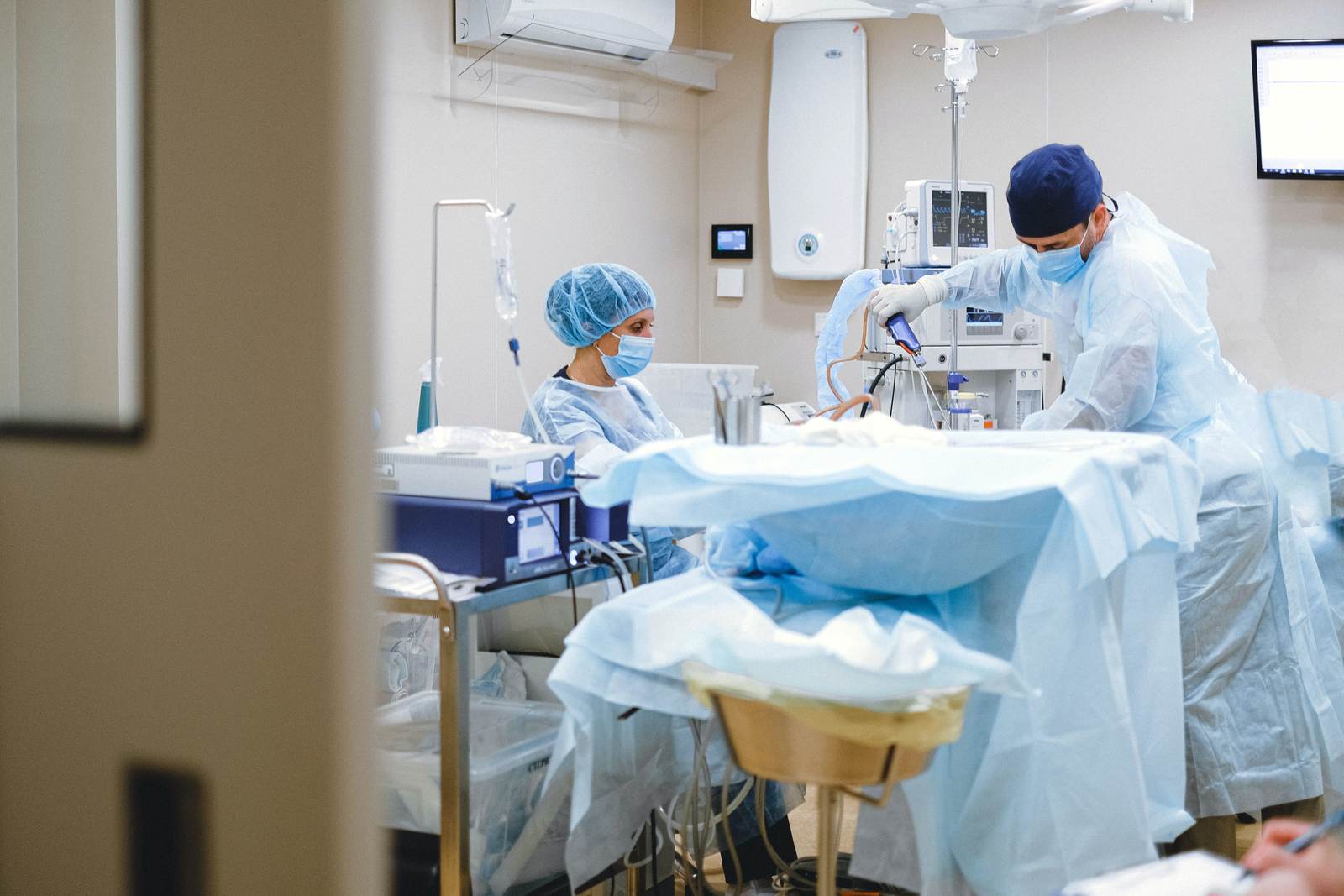
Autonomy Is a Spectrum, and Every Step Up Rewrites the File.
From direct teleoperation to task autonomy, the level of machine independence sets the evidence bar — and the learning curve is clinical data the submission cannot ignore.
What a Robotics Program Plans Around.
Three realities that govern a category whose ambition outruns its precedent.
FDA’s stated position: robotically-assisted surgical devices do not operate without the surgeon’s direct control.
Where the overwhelming majority of cleared surgical robots sit. Higher rungs exist but thin out fast.
Operator proficiency is a variable in your outcomes data. Design the trial and the training for it, or the data designs them for you.
Six Failure Modes We Are Brought In to Prevent.
The pattern: engineering ambition arriving at a framework that was built for instruments.
log_014
Autonomy promised in the pitch deck
Investor language about an autonomous system, in a company filing a Level 1 instrument — a contradiction the agency can read.
log_022
Learning curve unaccounted for
A pivotal trial run on early cases, producing outcomes the platform will beat in practice and the file cannot defend.
log_031
Training treated as commercial
Credentialing built by sales, when it was a risk control the submission depends on.
log_038
AI features without a software file
Anatomy recognition shipped as a visualization aid, until someone asks what happens when it is wrong.
log_045
Safe state undefined
No answer for what the arm does on power loss, comms loss, or a sensor disagreeing with itself.
log_052
Predicate stretched past recognition
Equivalence to a teleoperated platform claimed by a system that plans and executes — different device, different conversation.
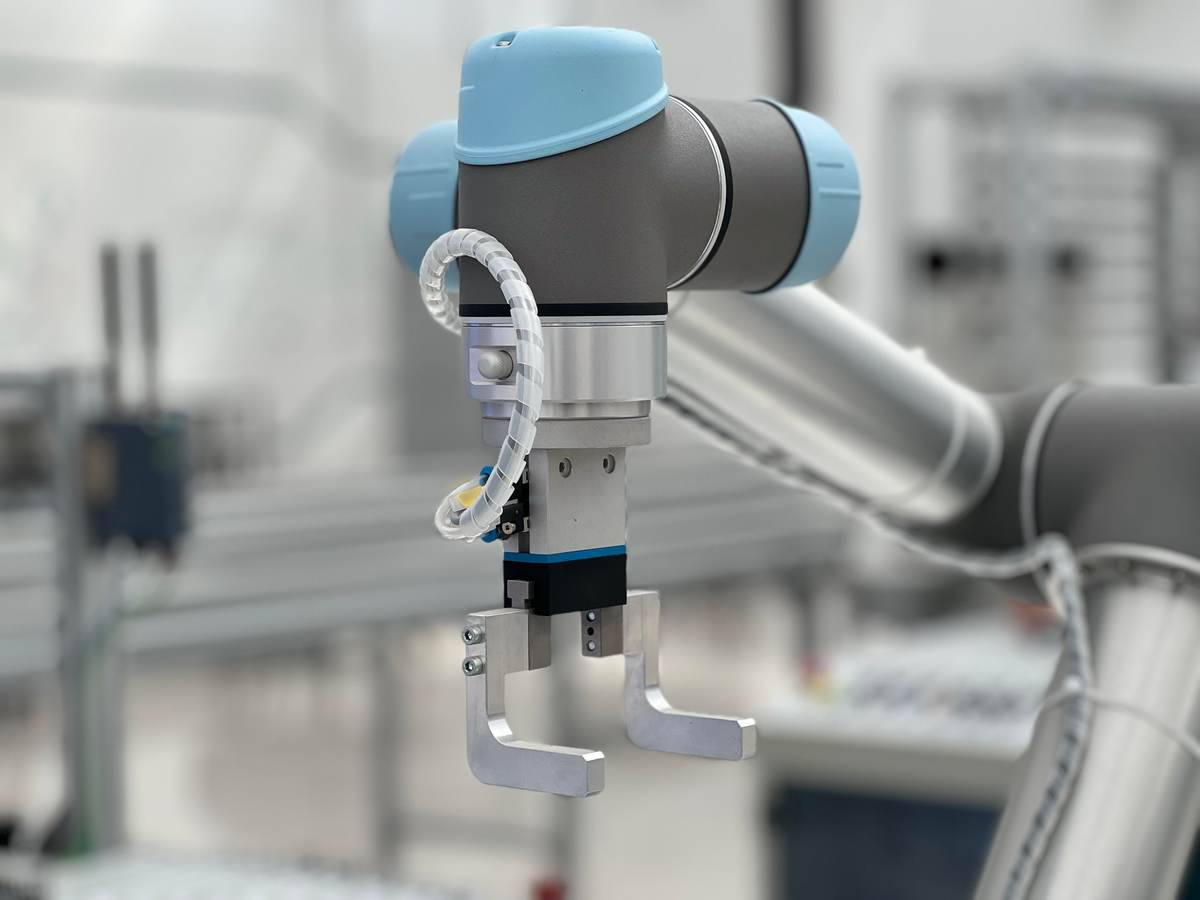
Robotics Regulatory Leadership for Platforms Ahead of the Framework.
Our robotics leads have scoped autonomy claims, designed trials around the learning curve, and taken platforms through review with the software inside them.

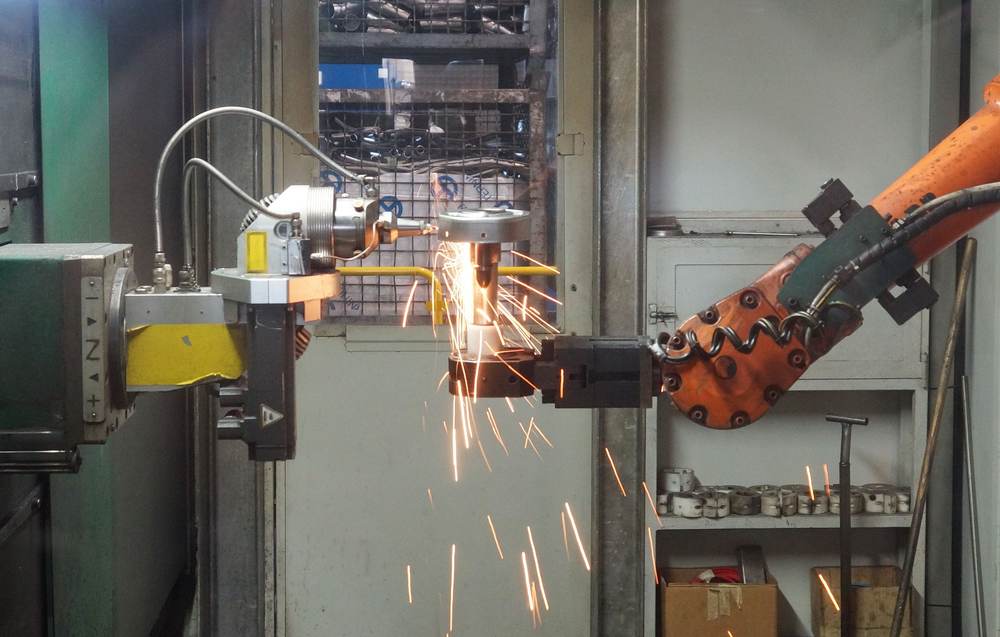
“Every robotics roadmap eventually asks for more autonomy than it can evidence. The job is knowing exactly where that line sits this year — and filing on the right side of it.”
The discipline we bring to surgical, interventional, and rehabilitation robotics.
From the newsroom
The record moves. Follow it.
Regulatory News is our independent newsroom — every story sourced to the primary record, published the day it lands. These are the beats that touch this page. RegulatoryNews.com →
- Healthcare technologySaMD, AI-enabled devices and digital health.
- Devices510(k)s, De Novos, PMAs and EU MDR.
- FDAApprovals, clearances, letters and guidance.
- GuidanceDraft and final guidance, as it lands.
- Key datesDeadlines and comment periods, in one calendar.
- Full archiveEvery story we have published, searchable.
Building a Robotic Platform? Map the Autonomy Level Before the Claim.
Bring senior robotics regulatory leadership in while the control architecture is still a decision.
Senior-led. Embedded in your team. No junior hand-offs.