You Are Not Shipping a Device. You Are Signing Up for Decades.
Regulatory strategy for implants — PMA-grade evidence, lifetime durability, and surveillance obligations that outlast the engineers who designed the product.
Free proposal · three minutes
Get your free implantable device proposal
No sales call. No account. No obligation.
Which markets matter in the next 18 months?
Every Other Device Can Be Switched Off. Yours Has to Be Explanted.
Implants sit at the top of the device risk hierarchy for one structural reason: the remedy for a problem is surgery. A monitor can be unplugged, an app deleted, a catheter withdrawn. A spinal cage, a heart valve, a neurostimulator — each correction costs the patient another operation, which is why implants carry Class III presumption, PMA pathways, and evidence expectations no other category faces.
That asymmetry runs through every decision: biocompatibility for permanent contact, fatigue testing against a service life measured in decades, MRI conditional labeling because your patient will need imaging eventually, and unique device identification because someone must be able to find every patient carrying your product. We build implant programs backwards from the explant — because the question that decides everything is what happens when this needs to come out.
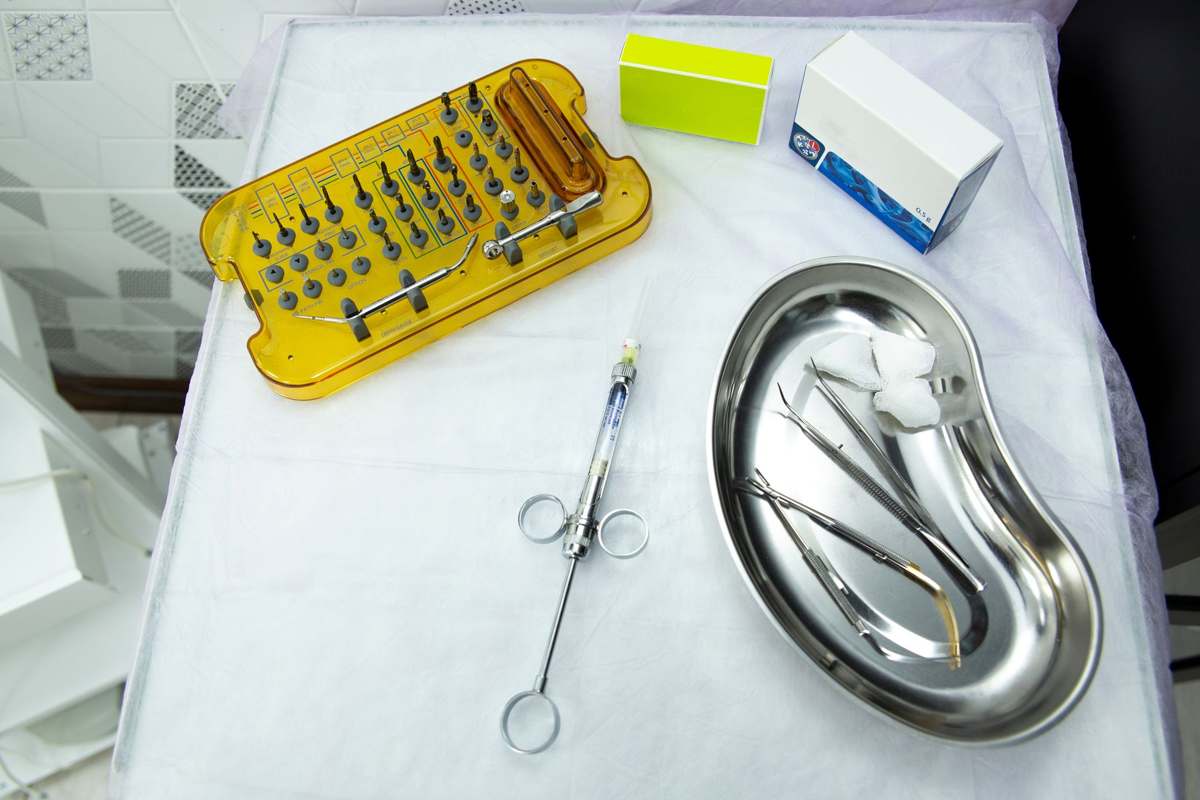
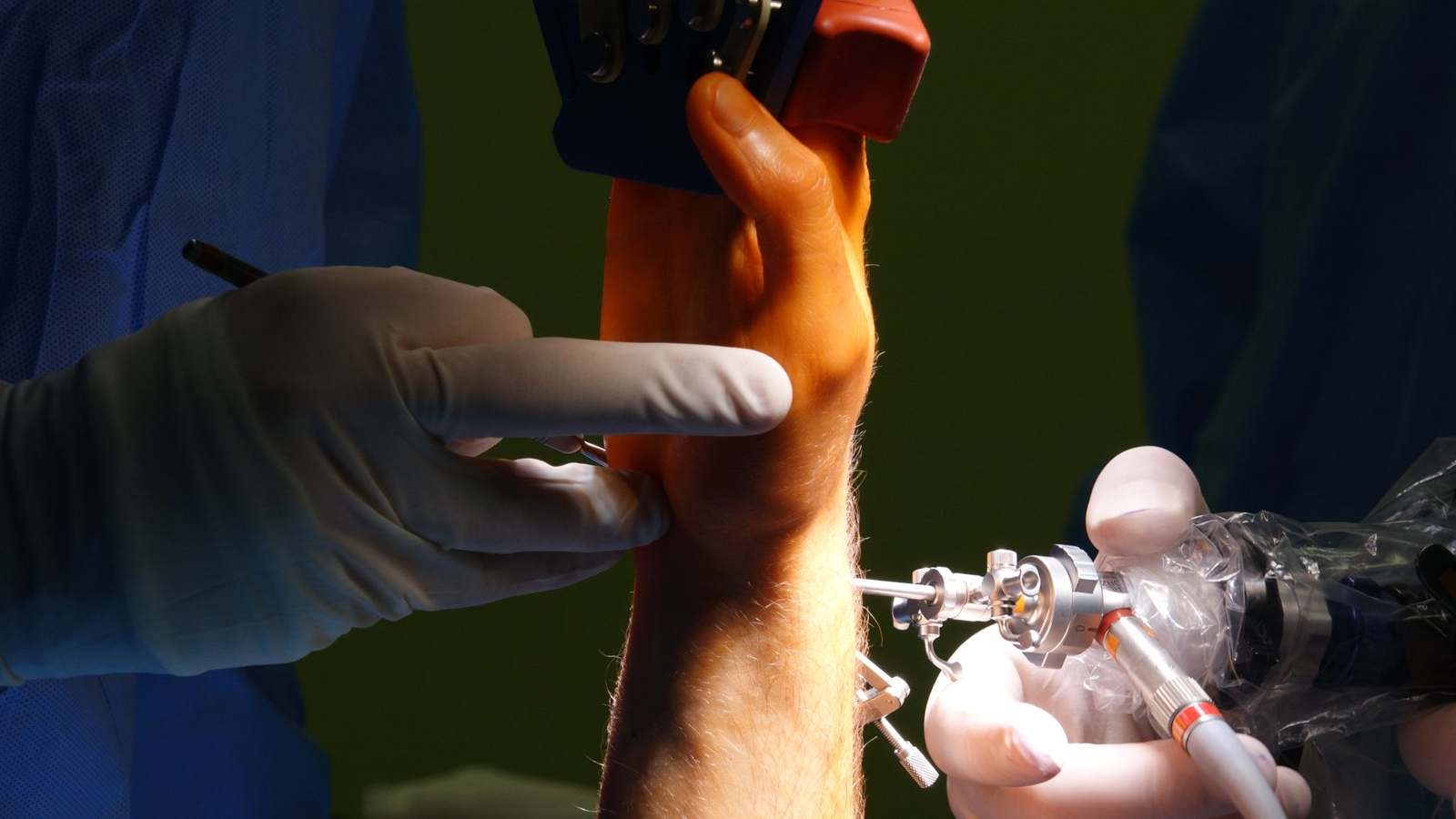
The implant, its instruments, and the technique ship together — and are reviewed together.
Obligations That Compound With Every Year in the Body.
Implant regulation is a function of time. Each rung below adds evidence the last one didn’t need — and you commit to all of them at submission.
Acute safety & deliverability
The procedure itself: sizing, delivery systems, and the human-factors reality of a surgeon using your instruments for the first time. Most early failures are procedural, not material.
Biocompatibility for permanent contact
ISO 10993 at the implant tier — cytotoxicity through implantation effects, genotoxicity, and chronic exposure logic, with chemistry characterization underneath it.
Fatigue & wear to service life
Accelerated testing to hundreds of millions of cycles for cardiovascular devices, wear simulation for orthopedics — proving a decade of loading in a bench month, with a rationale for why the acceleration is valid.
MRI conditional labeling
Your patient will need an MRI. Heating, displacement force, torque, and artifact all have to be characterized — or the label restricts the imaging they can ever receive.
UDI & patient-level surveillance
Registries, long-term follow-up conditions of approval, and the ability to locate every implanted unit. The recall you cannot execute is the one where you don’t know who has the device.
And the ladder is why implants are where diligence goes to die. Every acquisition of an implant company asks the same two questions: what does the long-term data actually show, and can you find the patients? Programs that treated post-approval commitments as paperwork answer neither.
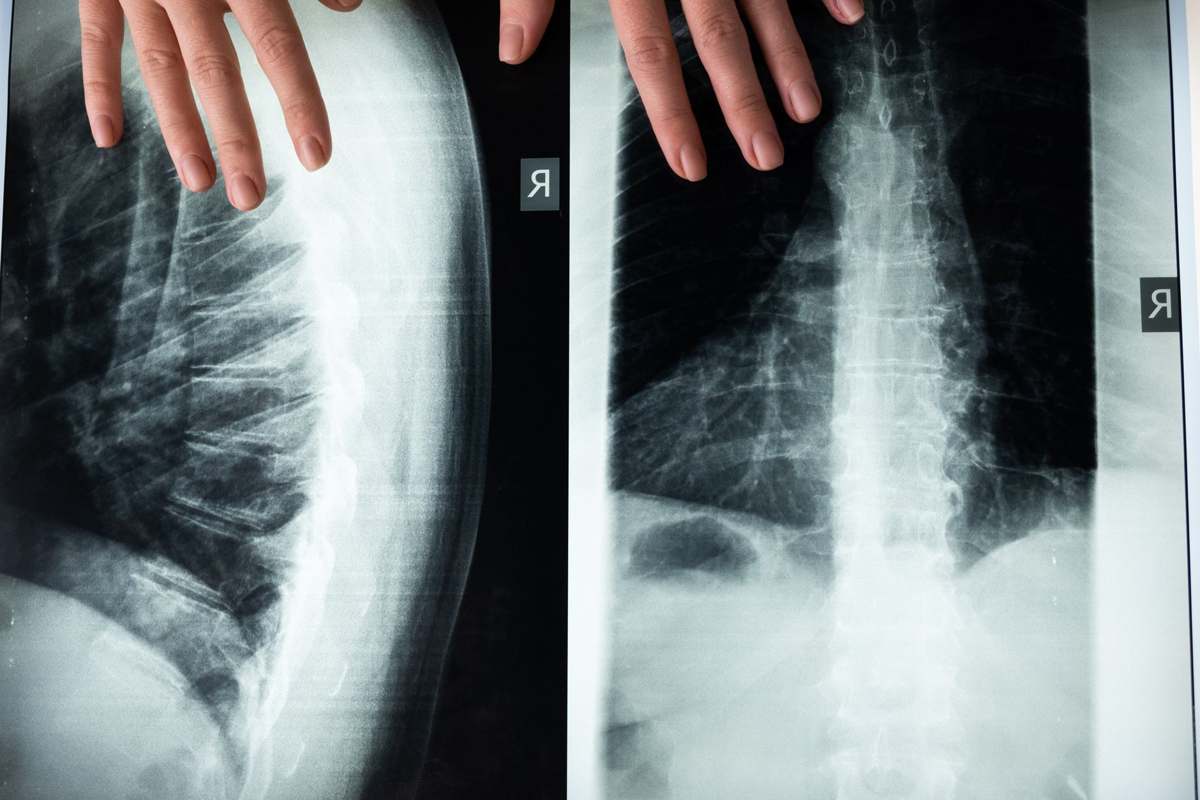
The approval is a snapshot. The registry is the film — and Europe now demands you keep shooting.
MDR Raised the Bar Highest Exactly Where You Are Standing.
If any category felt the full weight of the EU MDR transition, it is implants. Class III and implantable devices face clinical evidence expectations that legacy CE marks rarely met, the scrutiny of expert panels for certain high-risk products, mandatory Summary of Safety and Clinical Performance documents written for the public, and Post-Market Clinical Follow-up that has to actually generate data rather than cite literature. Even custom-made Class III implants, exempt from CE marking everywhere else in the regulation, still need a notified body to clear them.
Add the implant card obligation for patients, EUDAMED registration, and notified body capacity that remains the binding constraint on timelines. We plan implant programs on notified-body reality, not the calendar the board would prefer — and we build the PMCF engine before certification, because that is when it is cheapest to design.
The Submission Ends. The Obligation Runs for the Life of the Patient.
An implant’s file is a promise about a device you will never get back — fatigue life, material stability, and the ability to find every recipient years after launch.
What an Implant Program Plans Around.
Three commitments made at submission and honored for the life of the product — carried on the device’s own record.
- Class III
- The default presumption for life-sustaining and permanently implanted devices — PMA evidence, panel exposure, and conditions of approval.
- Service life
- The number your fatigue and wear testing has to reach — accelerated, justified, and defended against the loading a real patient applies.
- Every unit
- UDI and registry traceability. Surveillance is only as good as your ability to find the patient a decade later.
Six Failure Modes We Are Brought In to Prevent.
Implant failures are slow, expensive, and almost always visible in the file years earlier.
MRI compatibility as an afterthought
Characterization deferred to post-launch, so the label restricts imaging — and clinicians choose the competitor whose implant can be scanned.
Fatigue testing that ends at approval
Accelerated data justifying a service life nobody re-examines as real-world duty cycles turn out harsher than the model.
Post-approval studies under-resourced
Conditions of approval treated as a formality until enrollment stalls and the agency notices the commitment is unmet.
Instruments outside the file
Delivery systems and surgical instruments developed as accessories, then found to carry the procedure’s real risk.
Material change on a legacy implant
A supplier reformulation on a product with fifteen years of clinical history — and no plan to show the new material inherits it.
PMCF that cites instead of generates
A European follow-up plan built on literature review, rejected by a notified body that wanted data from your device.

Implant Regulatory Leadership That Thinks in Decades.
Our implant leads have run PMA programs, defended durability rationales, and built the surveillance machinery that keeps an approval alive.

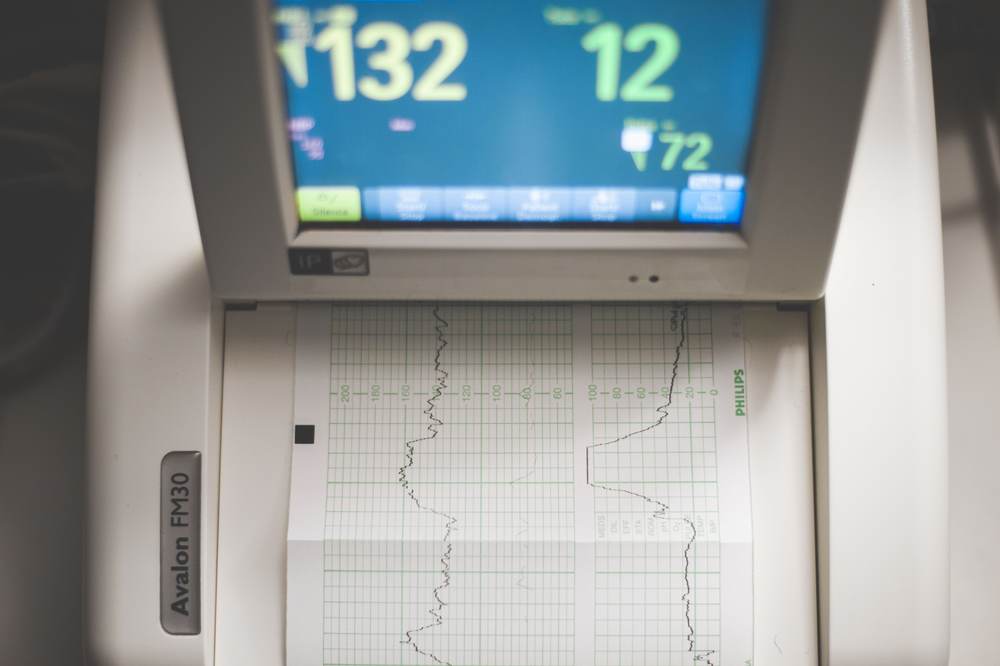
“Ask an implant program one question: if this device has to come out of every patient, do you know who they are? The answer tells you how good the file really is.”
The discipline we bring to cardiovascular, orthopedic, and neuromodulation implants.
From the newsroom
The record moves. Follow it.
Regulatory News is our independent newsroom — every story sourced to the primary record, published the day it lands. These are the beats that touch this page. RegulatoryNews.com →
- Devices510(k)s, De Novos, PMAs and EU MDR.
- FDAApprovals, clearances, letters and guidance.
- GuidanceDraft and final guidance, as it lands.
- DrugsPharmaceutical approvals, labels and pathways.
- Industry SpotlightCompany milestones, reported in depth.
- Full archiveEvery story we have published, searchable.
Bringing an Implant Forward? Design the File for the Explant.
Bring senior implant regulatory leadership in before the durability rationale is written — it is the hardest thing to fix later.
Senior-led. Embedded in your team. No junior hand-offs.