Home Is the Most Hostile Use Environment in Medicine.
Regulatory strategy for remote monitoring — devices and platforms that move measurement out of the clinic and into kitchens, bedrooms, and pockets.
Free proposal · three minutes
Get your free remote patient monitoring proposal
No sales call. No account. No obligation.
Which markets matter in the next 18 months?
A Reading Nobody Acts On Is a Liability. A False One Is Worse.
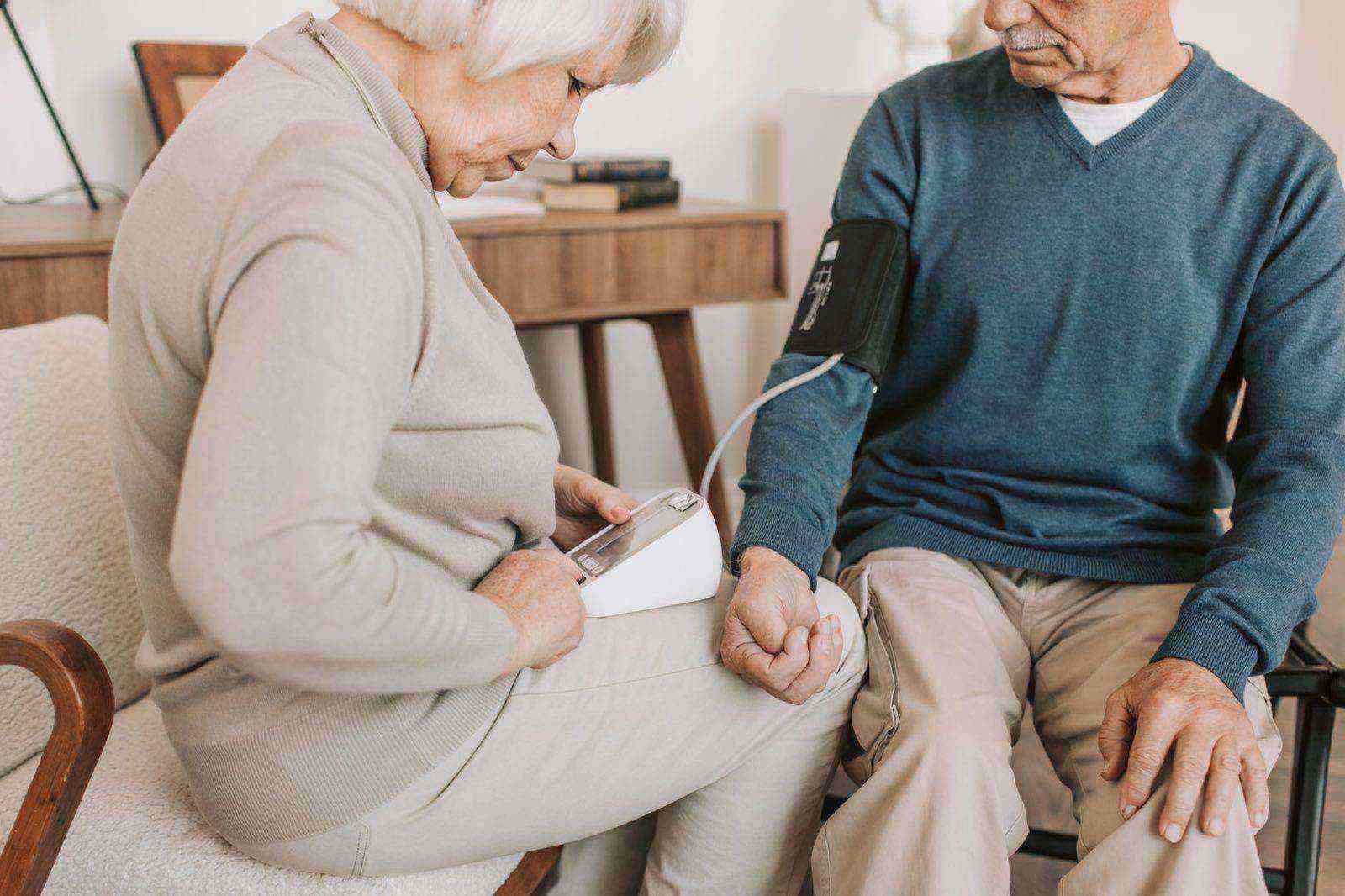
Remote monitoring inverts the clinic’s assumptions. The measurement is taken by the least trained user in the system, on a network you don’t control, and its whole value depends on someone clinical noticing it in time. The device is one component; the regulated reality is the chain — patient, sensor, transmission, triage, chart, response.
That chain is where programs are won and lost. A monitoring claim implies the chain works: data integrity end to end, escalation that reaches a human, behavior on connectivity loss that a jury would call reasonable. We design RPM files around the system claim, because that is what the agency reviews and the plaintiff’s bar discovers.

Every monitoring product implies a clinical workflow. If nobody owns the response, the product is incomplete.
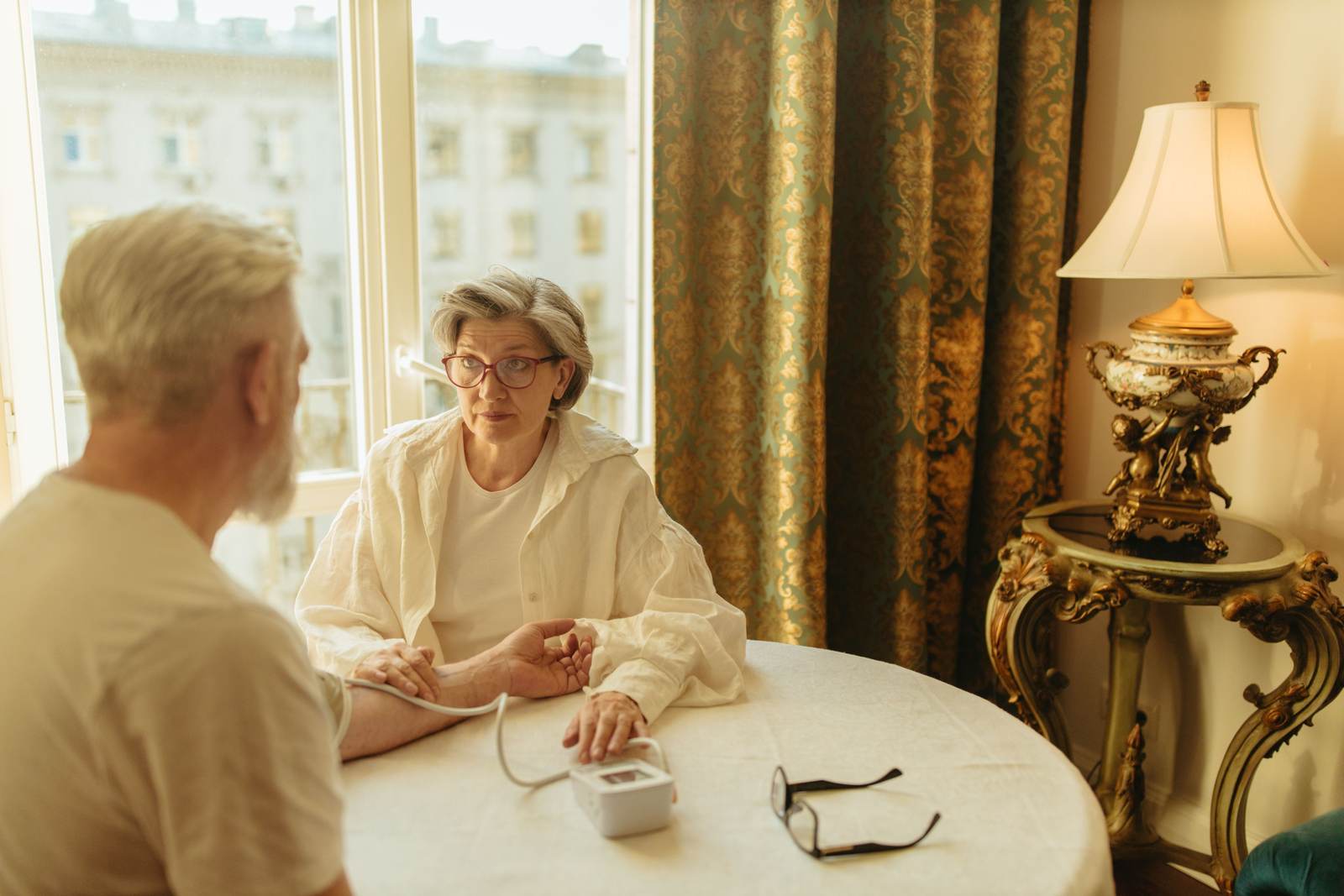
No Nurse, No UPS, No IT Department.
The reading that steers tomorrow’s dose is taken here — by the least trained user in the system, over whatever network the house has.
IEC 60601-1-11 territoryFive Checkpoints Between the Clinic and the Kitchen Table.
Everything that changes when the use environment stops being professional — each checkpoint with its own standard and its own evidence.
Lay users
Validation with real patients — arthritic hands, reading glasses, no training — and labeling written for them, not for nurses.
The home environment
Its own collateral standard: power interruptions, temperature swings, pets, drops — the home is specified, not assumed.
Connectivity loss
Consumer networks drop daily. The design question is who finds out, how fast, and what the record shows happened in the gap.
Alarms & response
An alert that ends in an unattended dashboard is not an alarm strategy. The chain to a human who acts is part of the system.
Data you can chart
Units, timestamps, patient identity, and provenance intact from sensor to record — because clinicians will dose against it.

CGM set the template: special controls, interoperability by design, and accuracy claims that hold at home.
Accuracy Claims Have to Survive the Sofa, Not Just the Bench.
Continuous glucose monitoring is the category’s regulatory template: the iCGM special controls defined accuracy requirements rigorous enough that other systems can dose insulin against the output — interoperability as a design property, not a marketing word. Every ambitious RPM sensor now gets measured against that bar.
The cautionary tales run the other way: cuffless blood pressure and wearable vitals concepts that demo beautifully and fail on positional effects, motion, skin tone, or drift. We scope validation for the population and postures of actual home use — because the clinic-population shortcut is the deficiency letter you can predict.
Reimbursement Built This Category. It Also Audits It.
RPM exists at scale because Medicare pays for it — nearly a billion dollars of Part B spend in 2024 — and the CY 2026 fee schedule widened the lane: a new supply code pays for 2–15 days of transmission where 16 was once the floor, and remote therapeutic monitoring gained parallel codes.
More products qualify; more scrutiny follows. The regulatory file and the billing file have to describe the same product: devices billed under RPM codes must actually be devices, “days of data” claims need transmission records, and monitoring claims need the cleared intended use behind them. We keep the two files congruent — because CMS audits are where loose regulatory language goes to be quoted.

What an RPM Program Plans Around.
The standard, the payment turn, and the property that separates products from prototypes — three stations on the same signal.
The home-healthcare collateral standard — the environment is engineered for, not hoped about.
Medicare’s CY 2026 change: shorter monitoring periods now pay, opening episodic and post-acute models the 16-day floor excluded.
Data integrity from sensor to chart — the property every monitoring claim silently promises.
Six Failure Modes We Are Brought In to Prevent.
The clinic assumptions are the trap — every one of these is a clinic assumption that followed the device home.
Home environment untested
A device verified to the general standard and shipped into 60601-1-11 territory — power loss, temperature, and transport never engineered for.
An alarm nobody owns
Escalation that terminates in a dashboard reviewed “regularly” — which, at 2 a.m. on a Saturday, means nobody.
Silent connectivity loss
Data gaps indistinguishable from stability — the missing-reading hazard analyzed by no one until the incident review.
Clinic-population accuracy
Validation on seated, supervised, healthy volunteers — then deployment onto tremor, motion, and edema.
The platform that grew functions
A dashboard that quietly added trending, scoring, and alerts — device functions accreting on an unregulated chassis.
Billing ahead of the clearance
RPM codes claimed for a product whose intended use never mentioned monitoring — congruence problems discovered by auditors.
RPM Regulatory Leadership That Owns the Whole System.
Our leads have validated home-use devices, designed escalation chains, and kept billing and clearance telling the same story.

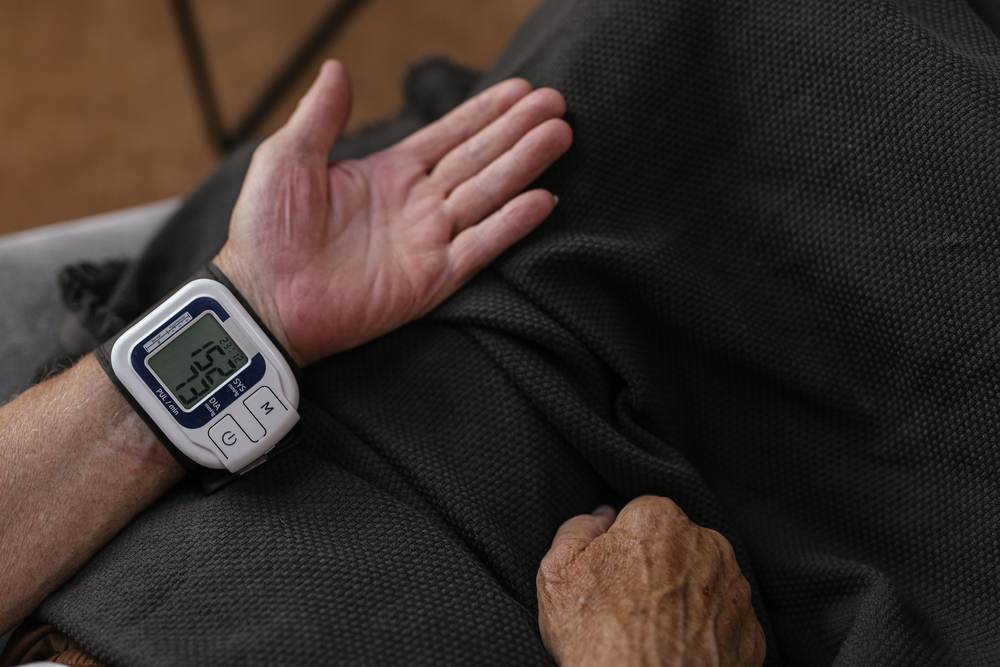
“In RPM the device is the easy part. The system — patient, sensor, network, nurse, chart — is what the agency reviews and the courtroom reconstructs.”
The discipline we bring to home monitoring, wearables, and virtual-care platforms.
From the newsroom
The record moves. Follow it.
Regulatory News is our independent newsroom — every story sourced to the primary record, published the day it lands. These are the beats that touch this page. RegulatoryNews.com →
- Healthcare technologySaMD, AI-enabled devices and digital health.
- FDAApprovals, clearances, letters and guidance.
- GuidanceDraft and final guidance, as it lands.
- Devices510(k)s, De Novos, PMAs and EU MDR.
- Industry SpotlightCompany milestones, reported in depth.
- Full archiveEvery story we have published, searchable.
Monitoring Patients at Home? Build the File for the Whole Chain.
Bring senior RPM leadership in before the pilot scales — the system claim is already being made.
Senior-led. Embedded in your team. No junior hand-offs.