Your Device Will Be Judged at the Molecular Level First.
Regulatory strategy for biomaterials — characterization, biocompatibility, and supply-chain control for the substances that touch the patient.
Free proposal · three minutes
Get your free biomaterials proposal
No sales call. No account. No obligation.
Which markets matter in the next 18 months?
The Regulator’s First Question Isn’t What the Device Does. It’s What It’s Made Of.
Every patient-contacting material carries a burden of proof that precedes any clinical claim: what is in it, what comes out of it, and what the body does about both. The modern framework runs chemistry-first — ISO 10993-18 characterization and toxicological risk assessment under 10993-17 before anyone reaches for an animal test — and FDA’s biocompatibility guidance expects that logic in the file, endpoint by endpoint.
The discipline that separates clean files from deficiency cycles is treating the material as a specification, not an ingredient: colorants, processing aids, sterilization residuals, and mold releases all ride along into the patient. We build the biocompatibility evaluation plan before the testing budget gets spent — because the most common biomaterials mistake is buying the wrong tests early and the right ones late.
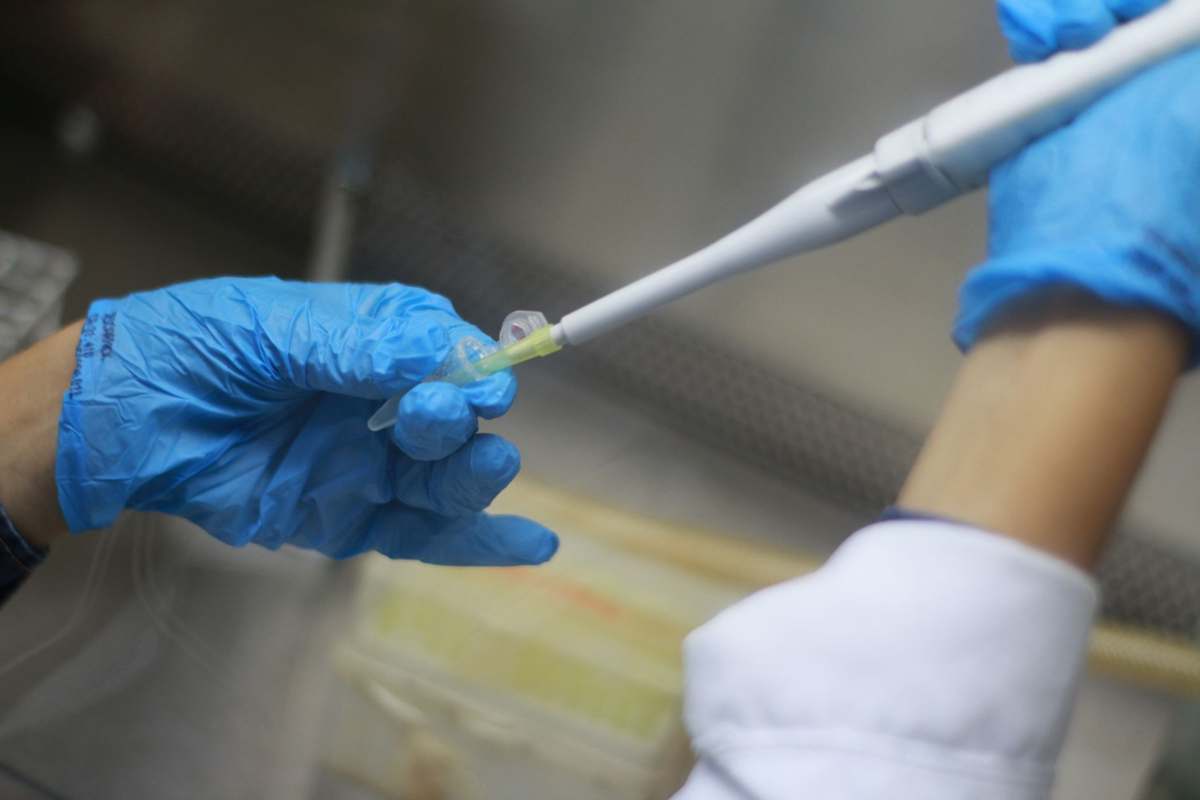
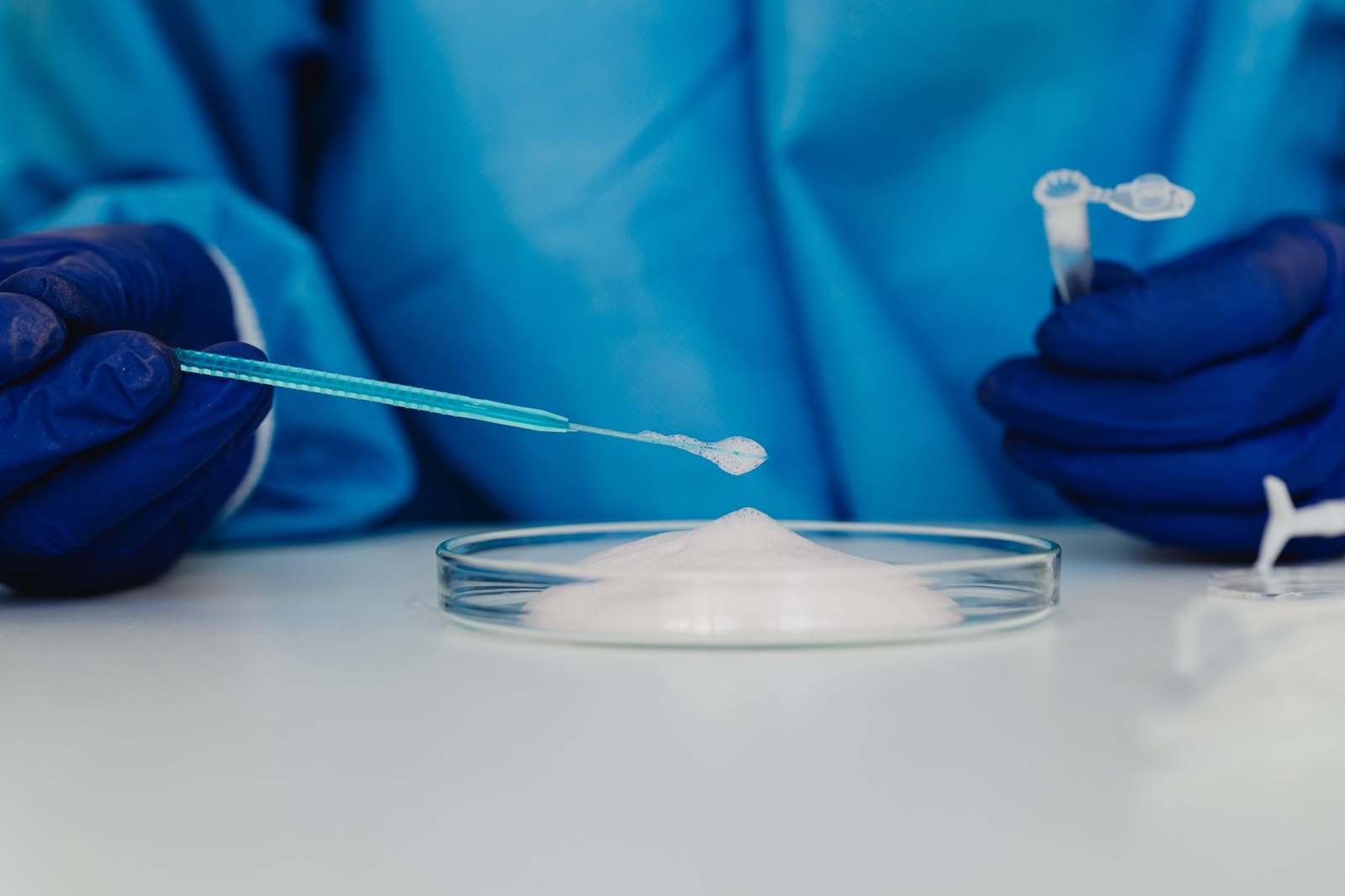
Extractables and leachables are the questions; the chemistry file is the answer the agency reads first.
Two Axes Set the Evidence Bar: Where It Touches, and for How Long.
The categorization every biocompatibility conversation starts from — nature of body contact crossed with contact duration. Deeper and longer means more endpoints, more scrutiny, and less forgiveness.
The grid sets the questions; it doesn’t mandate the tests. The current framework rewards a chemistry-and-literature argument that closes endpoints without new animal studies — and punishes a binder of tests run on the wrong extraction conditions. Categorize first, then evaluate, then test only what the assessment leaves open.

Most biocompatibility failures in the field trace to a change — a resin lot, a supplier, a sterilant — not the original design.
A Supplier’s “Equivalent” Resin Is a New Material Until Proven Otherwise.
Biomaterial risk lives disproportionately in change: a formulation tweak upstream, a new masterbatch, a switch from EtO to radiation that alters surface chemistry. The regulatory system knows this — which is why material and process changes rank among the most common triggers for new submissions, and why “same material” claims need evidence, not a supplier letter.
Master files help — when you actually hold rights of reference and the file says what you think it says. Animal-derived materials add their own regime, from TSE risk to the tissue-product boundary at 21 CFR 1271. We put material identity under change control with the same rigor as the design — specification, supplier agreement, and a re-evaluation trigger that actually fires.
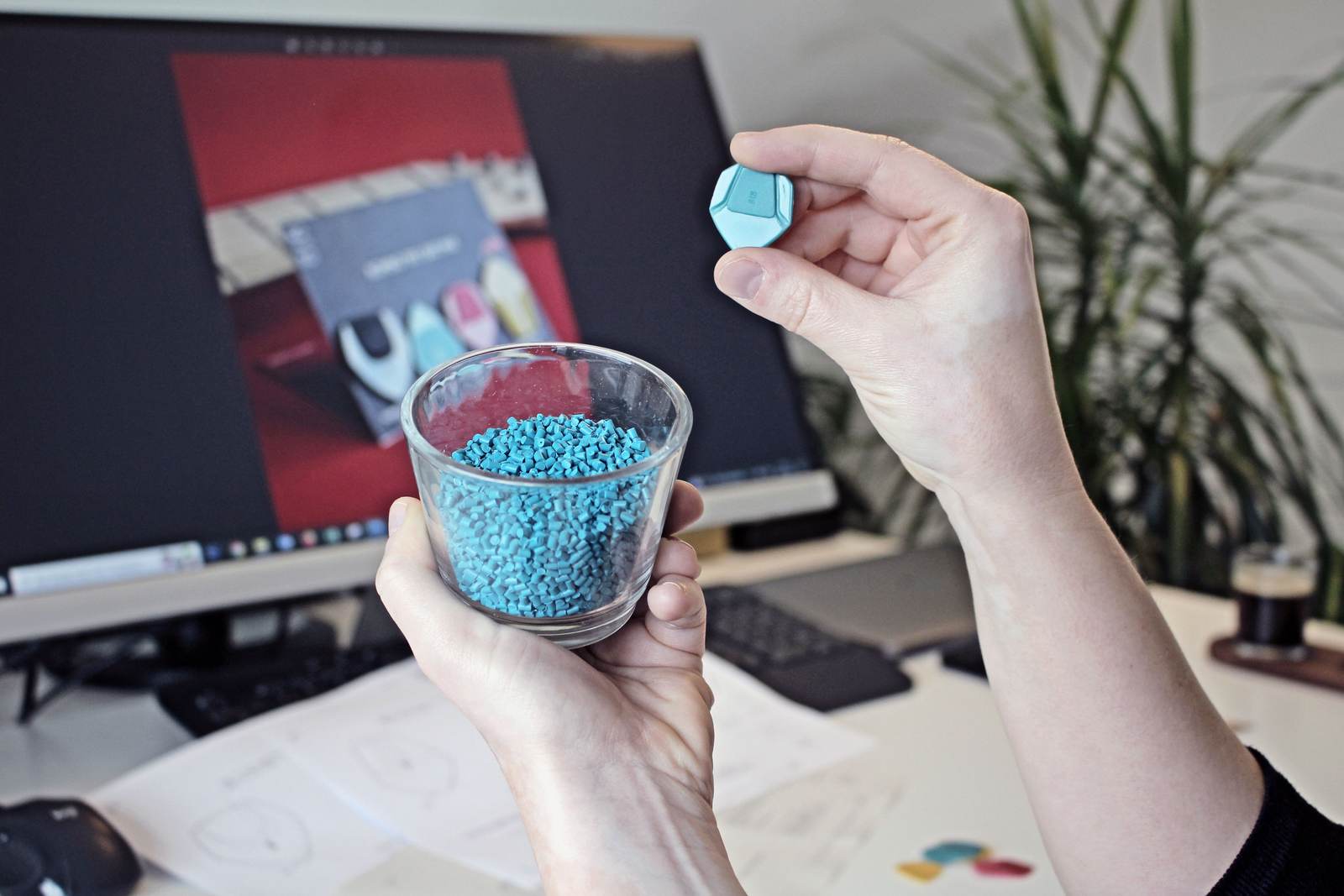
Everything in the Patient Started in a Bag Like This.
Resin lots, masterbatches, colorants, and processing aids — the submission’s chemistry section is a biography of raw materials. Change any of them and the biography needs a new chapter.
What a Biomaterials Program Plans Around.
The framework, the threshold, and the modern order of operations — held to specification like the material itself.
The standard family the whole conversation runs on — categorization, chemistry, toxicological risk, and the endpoints in between.
The line where contact becomes “permanent” and the evidence expectations step up to implant grade.
Characterize, assess, then test what remains open — the sequence that saves programs money and animals.
Six Failure Modes We Are Brought In to Prevent.
Material problems surface late by nature — the discipline is making them surface on paper first.
Tests bought before the plan
A panel ordered from a lab menu before categorization — wrong extraction vehicles, wrong endpoints, real money.
The silent supplier change
An upstream reformulation nobody flagged, discovered when lots start failing — or worse, when patients do.
Master file faith
Reliance on a supplier’s MAF without rights of reference or knowledge of its contents — a black box load-bearing in your submission.
Additives off the books
Colorants, plasticizers, and processing aids missing from the characterization — found by the reviewer’s chemist, not yours.
Absorbables without a fate map
A degradable material with no degradation-product story — what appears, when, and where it goes is the submission.
Sterilization rewriting the surface
A modality switch that changes surface chemistry and residuals after the biocompatibility file was closed.


Biomaterials Regulatory Leadership That Speaks Chemistry.
Our leads have built biocompatibility evaluation plans, defended chemistry-first arguments, and put material identity under real change control.

“A biomaterial file has one job: prove you know your material better than anyone who might change it. Most deficiency letters are the agency discovering you don’t.”
The discipline we bring to polymers, metals, ceramics, coatings, and absorbables.
From the newsroom
The record moves. Follow it.
Regulatory News is our independent newsroom — every story sourced to the primary record, published the day it lands. These are the beats that touch this page. RegulatoryNews.com →
- Devices510(k)s, De Novos, PMAs and EU MDR.
- FDAApprovals, clearances, letters and guidance.
- GuidanceDraft and final guidance, as it lands.
- DrugsPharmaceutical approvals, labels and pathways.
- Regulator registerThe 36 authorities the newsroom tracks.
- Full archiveEvery story we have published, searchable.
Building on a Novel Material? Close the Chemistry File Before It Opens the Review.
Bring senior biomaterials leadership in before the test budget is spent on the wrong panel.
Senior-led. Embedded in your team. No junior hand-offs.