Half the World’s Devices Depend on a Gas Everyone Wants Gone.
Regulatory strategy for sterile products — sterilization validation, the sterile barrier, and the EtO transition that is reshaping the whole category.
Free proposal · three minutes
Get your free sterile device proposal
No sales call. No account. No obligation.
Which markets matter in the next 18 months?
Ethylene Oxide Sterilizes Roughly Half of All Medical Devices. Its Future Is Being Legislated.
Around 20 billion devices a year pass through EtO — pacemakers, catheters, stents, ventilators, surgical kits, wound dressings, continuous glucose monitors. Many of them have no alternative: the products that need EtO need it precisely because steam and radiation degrade or destroy them. That material-compatibility reality is the whole reason the transition is slow.
Meanwhile the pressure keeps building from both ends — emissions rules moving toward a final rule, facility closures that have already caused device shortages, and FDA programs (innovation challenges, the radiation sterilization master file pilot) built to make switching modalities less punishing. Every sterile-device company now needs a position on this, not an opinion — and the ones planning modality flexibility today are the ones who will not be renegotiating supply in a crisis.
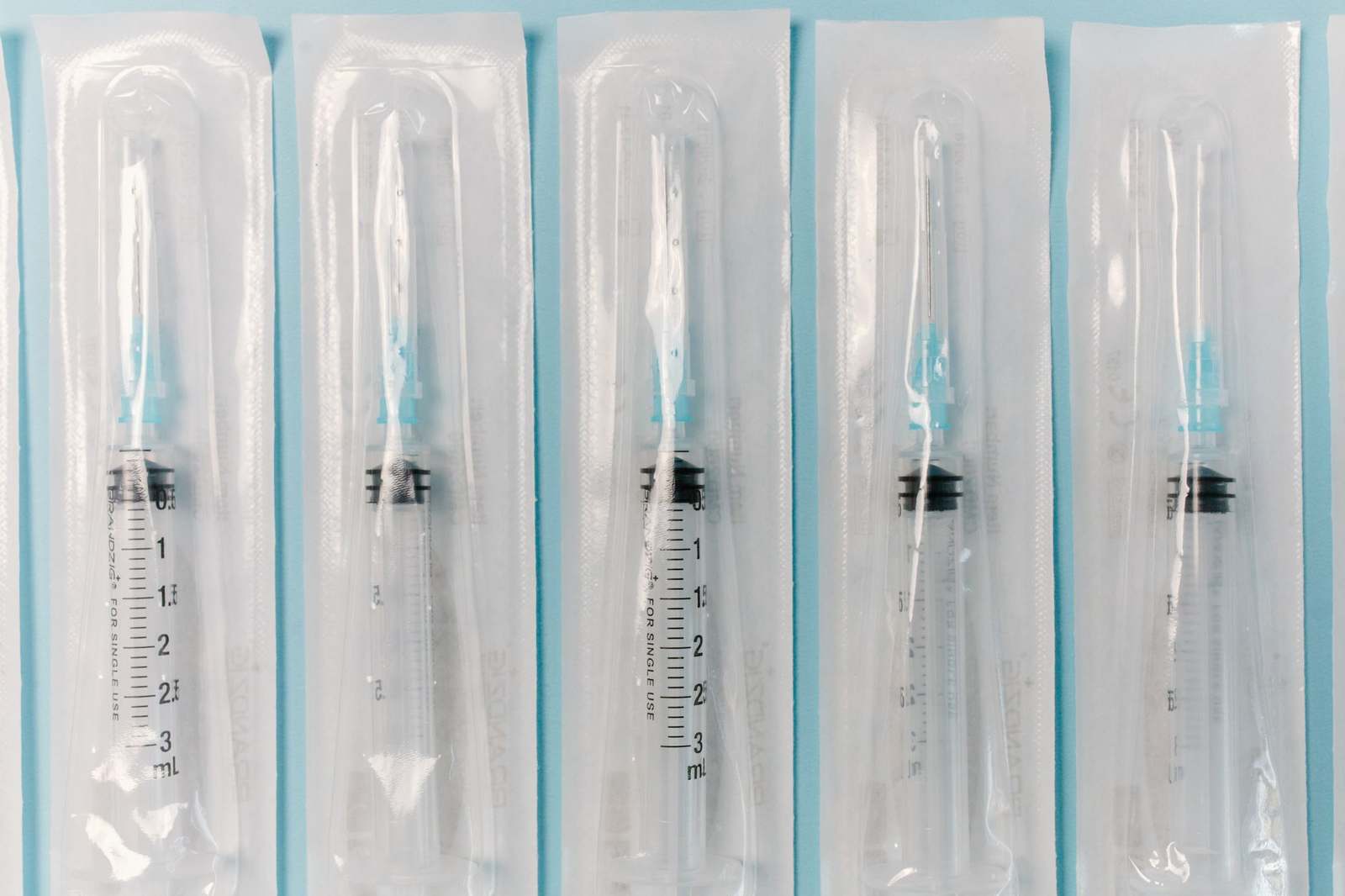
Billions of units a year, each carrying a sterility claim that has to hold to the moment of use.
Four Routes to Sterile. Your Materials Pick, Not Your Preference.
Modality is a materials decision with a validation bill and a supply-chain consequence. This is the board we work through before anyone commits.
EtO
- Why it wins
- Low temperature, penetrates lumens and assemblies, tolerates almost every material.
- What it costs
- Residuals testing under ISO 10993-7, long cycles, and an emissions and capacity picture that keeps tightening.
- Standard
- ISO 11135
Radiation
- Why it wins
- Fast, continuous, no residuals, dosimetric release — no biological indicators to incubate.
- What it costs
- Polymer degradation. Dose maps, material qualification, and stability that has to survive the dose it will actually receive.
- Standard
- ISO 11137
Steam
- Why it wins
- Inexpensive, well understood, no toxic residue, hospital-compatible for reusables.
- What it costs
- Heat and moisture. Rules out most electronics, adhesives, and heat-sensitive polymers outright.
- Standard
- ISO 17665
Novel
- Why it wins
- Low temperature without EtO’s regulatory and emissions baggage — the direction FDA has actively encouraged.
- What it costs
- Thinner precedent, less capacity, and a validation burden you carry rather than inherit.
- Standard
- Varies · case-by-case
The number under all four: a sterility assurance level of 10⁻⁶ — one non-sterile unit in a million. It is not achieved by testing product; it is achieved by validating a process and proving it stays in control, lot after lot, for the life of the device.

Sterility is a claim about the moment of opening — after shipping, storage, and a dropped box.
Your Sterility Claim Is Really a Claim About a Pouch, Two Years From Now.
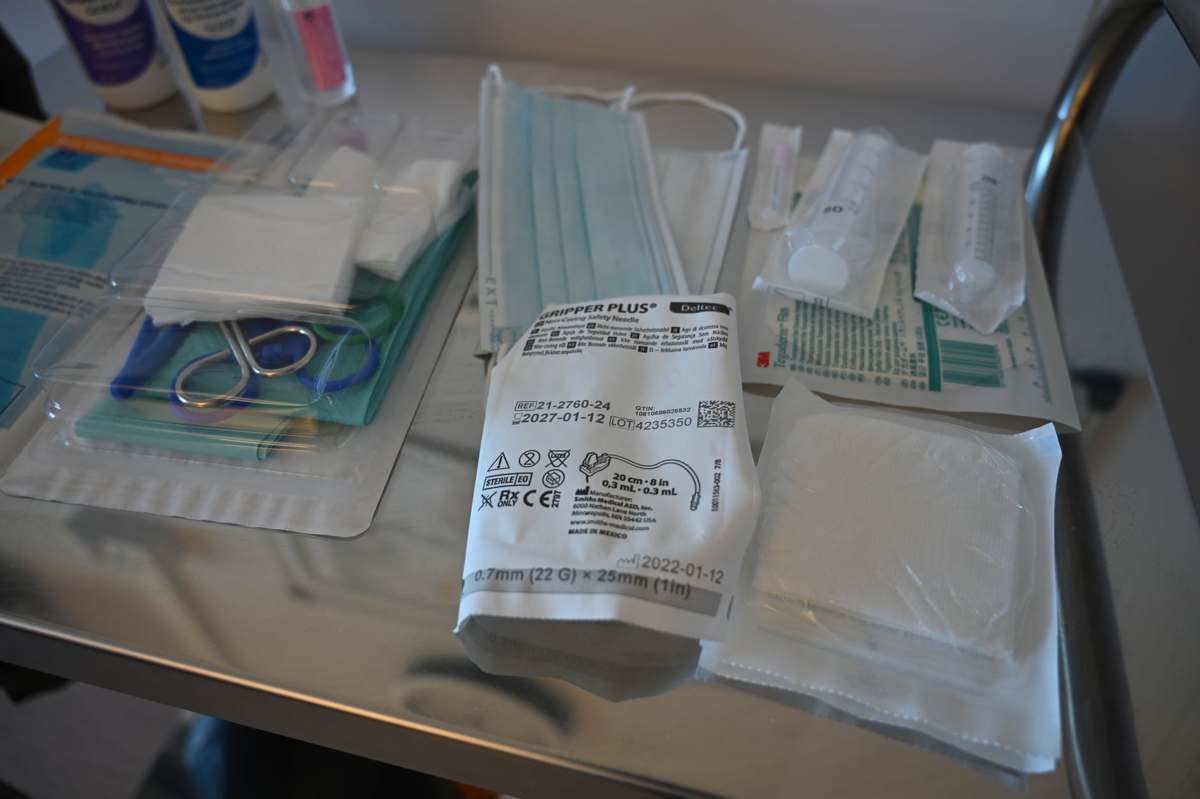
A sterile device is only sterile if the barrier holds from the cycle to the point of use — through a distribution chain of temperature swings, altitude changes, vibration, and handling nobody supervises. That is why ISO 11607 treats packaging as a system to be designed and validated: seal strength and integrity, aseptic presentation that lets a nurse open it without touching the contents, and accelerated aging that has to be justified as predicting real shelf life.
Then the labeled-life question: your two-year claim rests on accelerated data using an Arrhenius assumption, with real-time aging arriving later to confirm or embarrass it. We validate the barrier and the aging rationale as seriously as the cycle — because a perfect sterilization process inside a package that fails at month eighteen is a recall with excellent paperwork.
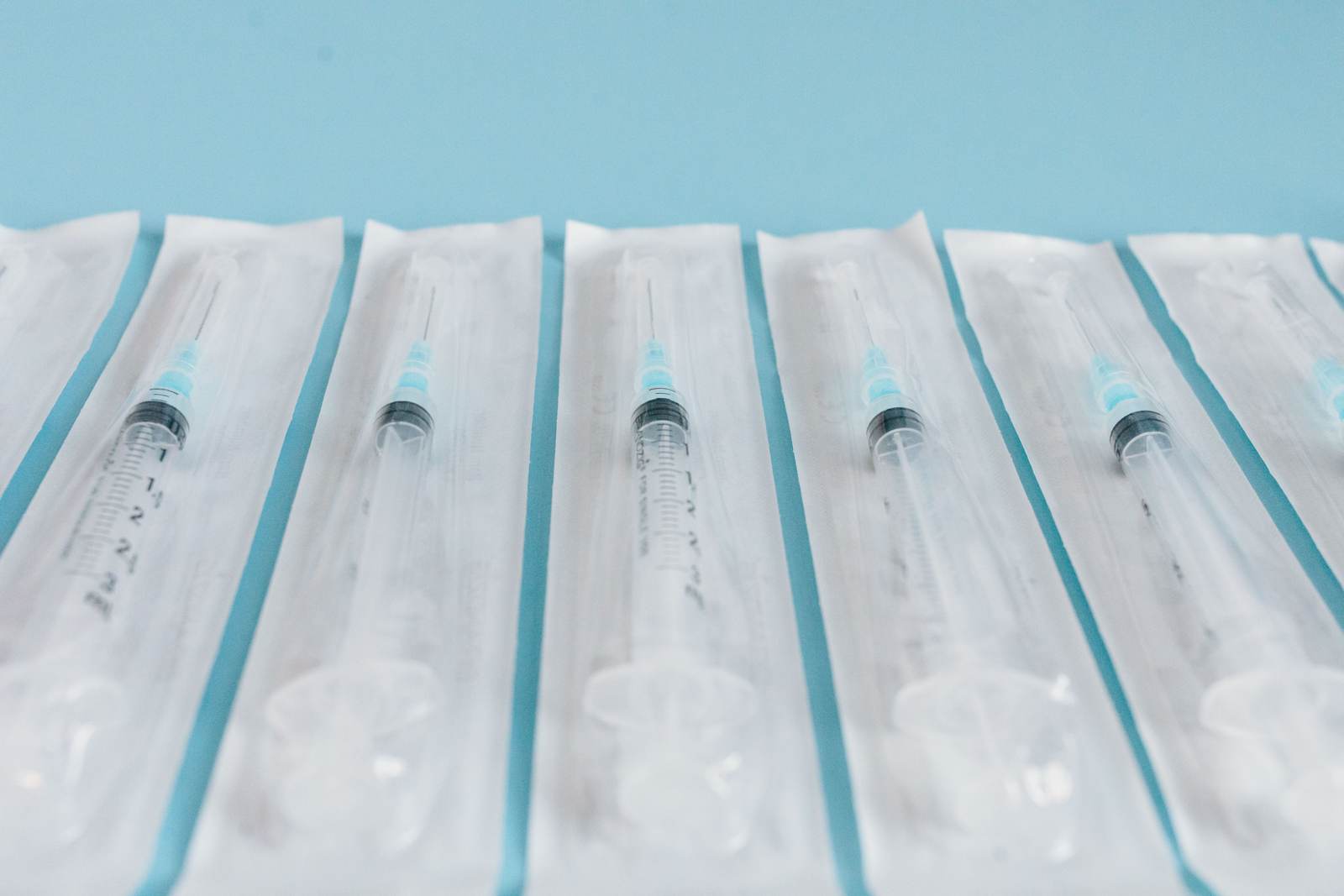
Sterility Assurance Is Proven to One in a Million, Every Lot, Forever.
The sterilization dose, the barrier that holds it, and the shelf life that has to survive shipping are validated to a probability — and re-validated every time the process, the material, or the supplier moves.
What a Sterile-Device Program Plans Around.
One number, one dependency, one deadline that keeps moving.
- 10⁻⁶
- The sterility assurance level: one non-sterile unit per million. Proven by process validation, never by testing the product.
- ~20 billion
- Devices sterilized by EtO each year — roughly half of all devices, many with no compatible alternative today.
- ISO 11607
- The packaging standard that carries your sterility claim from the cycle to the moment a nurse opens the pouch.
Six Failure Modes We Are Brought In to Prevent.
Sterility failures are supply-chain events wearing a quality-system costume.
SBS-01
Single-source EtO, no plan B
One contract sterilizer, one site, no qualified alternative — a shortage away from stopping supply.
SBS-02
Modality switch without materials data
Moving to radiation on a schedule, then finding the polymer embrittles at dose — late, publicly, mid-transition.
SBS-03
Packaging validated as an afterthought
ISO 11607 work started after the device is frozen, on a pouch chosen for cost.
SBS-04
Shelf life on optimistic aging
An accelerated-aging model that predicts two years, and real-time data that quietly disagrees.
SBS-05
Residuals discovered late
EtO residuals over limits on a device with long lumens and a short degassing window.
SBS-06
Reprocessed single-use devices
A labeled single-use product being reprocessed by third parties, and a manufacturer with no position on it.
Sterile-Device Leadership for a Category in Transition.
Our sterility leads have qualified modalities, defended aging rationales, and built the modality flexibility that keeps supply intact.

“Sterility is not a test result. It is a process you validated, a barrier you designed, and a claim you have to keep true for two years in someone else’s warehouse.”
The discipline we bring to catheters, kits, implants, and every single-use product in between.
From the newsroom
The record moves. Follow it.
Regulatory News is our independent newsroom — every story sourced to the primary record, published the day it lands. These are the beats that touch this page. RegulatoryNews.com →
Sterilizing at Scale? Build Modality Flexibility Before You Need It.
Bring senior sterility leadership in while a second modality is a project rather than an emergency.
Senior-led. Embedded in your team. No junior hand-offs.