Two Companies. Two Submissions. One Approval Date.
Regulatory strategy for CDx — co-development with a therapy you may not own, reviewed by two centers who both have to say yes.

Free proposal · three minutes
Get your free companion diagnostic proposal
No sales call. No account. No obligation.
Which markets matter in the next 18 months?
Your Diagnostic’s Timeline Belongs to Someone Else’s Drug.
A companion diagnostic is the only device whose label depends on another company’s product. The drug’s indication names your test; your test’s intended use names their drug; CDRH and the drug center review in parallel and are expected to land together. If the therapy slips, you wait. If the therapy fails, you have a validated assay for a molecule nobody will take.
That coupling makes CDx a contractual discipline as much as a scientific one. Who owns the cut-off? Who pays for bridging when the clinical trial assay is not the commercial assay? What happens if a second drug wants to use your test, or a second test wants to claim their drug? The regulatory strategy and the collaboration agreement have to be written by people who have read each other’s work.
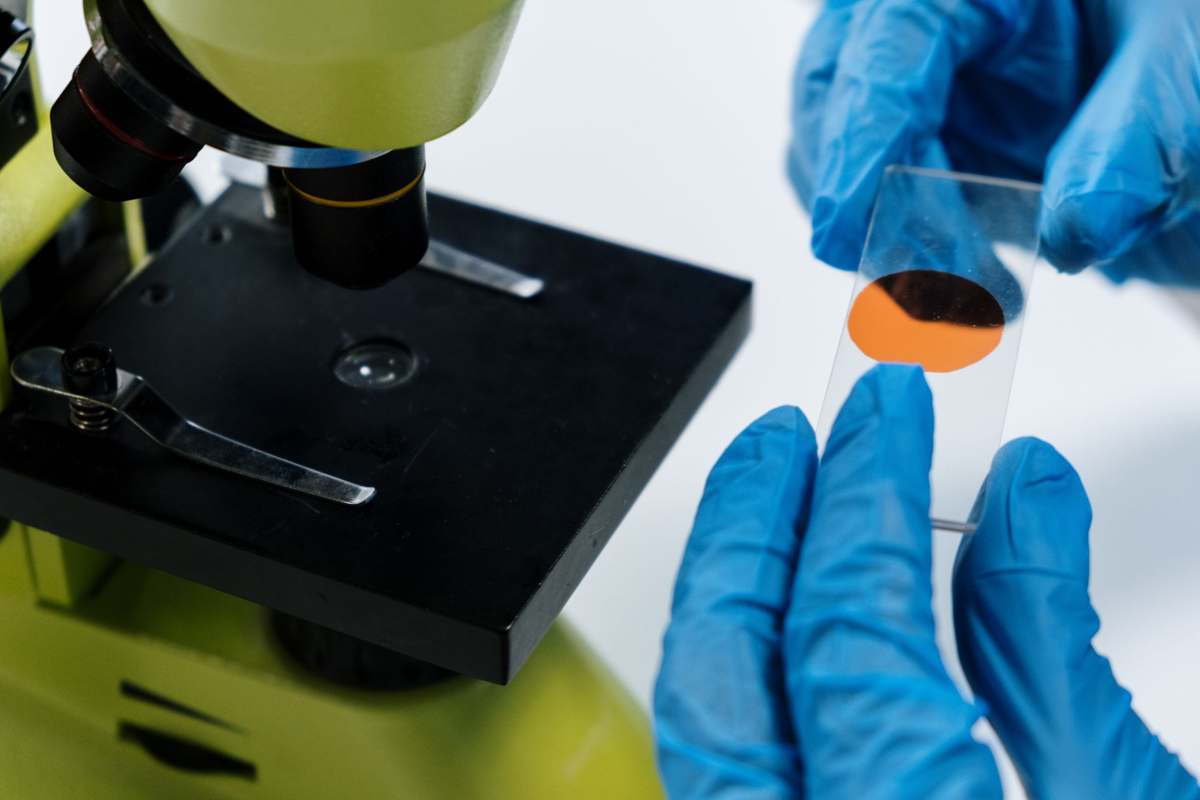
Where you draw the line decides who gets the drug — and it is set in the trial, not the lab.
Two Development Programs, Running in Lockstep.
Co-development means the diagnostic’s milestones are set by the therapy’s. This is where the two tracks meet — and where they usually diverge.
Target identified. Biomarker hypothesis forms. Assay used is whatever the lab has.
The decision nobody makes: is this a marker or a product? A clinical trial assay built casually now becomes the bridging problem later.
Registration trial enrolls by biomarker status. The assay is now selecting patients.
The CTA must be locked and analytically validated before enrollment — and the cut-off is set here, on this data, forever.
Data locks. The label will name a test.
If the commercial assay differs from the CTA — and it usually does — a bridging study is required, on trial specimens that may no longer exist.
NDA or BLA with an indication naming the diagnostic.
PMA reviewed by CDRH in parallel with the drug center. Two reviews, one intended approval date.
Label expands. New indications. Maybe a competitor drug for the same target.
Every label change is a supplement. Follow-on drugs want your test; follow-on tests want your drug. All of it contractual.
The specimen problem is the one that bites. Bridging requires archived samples from the pivotal trial — enough of them, consented for this use, stored properly, spanning the positives and negatives you need. Programs that did not plan the biobank at protocol design discover, years later, that the evidence they need no longer physically exists.

The patients your cut-off excludes are the ones the label denies the therapy to.
Move the Threshold and You Change Who Is Allowed to Be Treated.
In most diagnostics a cut-off balances sensitivity and specificity. In a companion diagnostic it allocates access to a therapy. Set it high and you exclude patients who might have benefited; set it low and you expose patients to toxicity for a response they will not get. That decision gets made once, on pivotal trial data, and then it is in a drug label.
Around it sits a quieter set of problems: complementary versus companion positioning, whether an LDT will compete with your approved test in practice, and what happens when a class of drugs arrives and pathologists want one assay for all of them. We build CDx strategy on the cut-off, the bridging plan, and the collaboration agreement together — because those three documents decide the product.
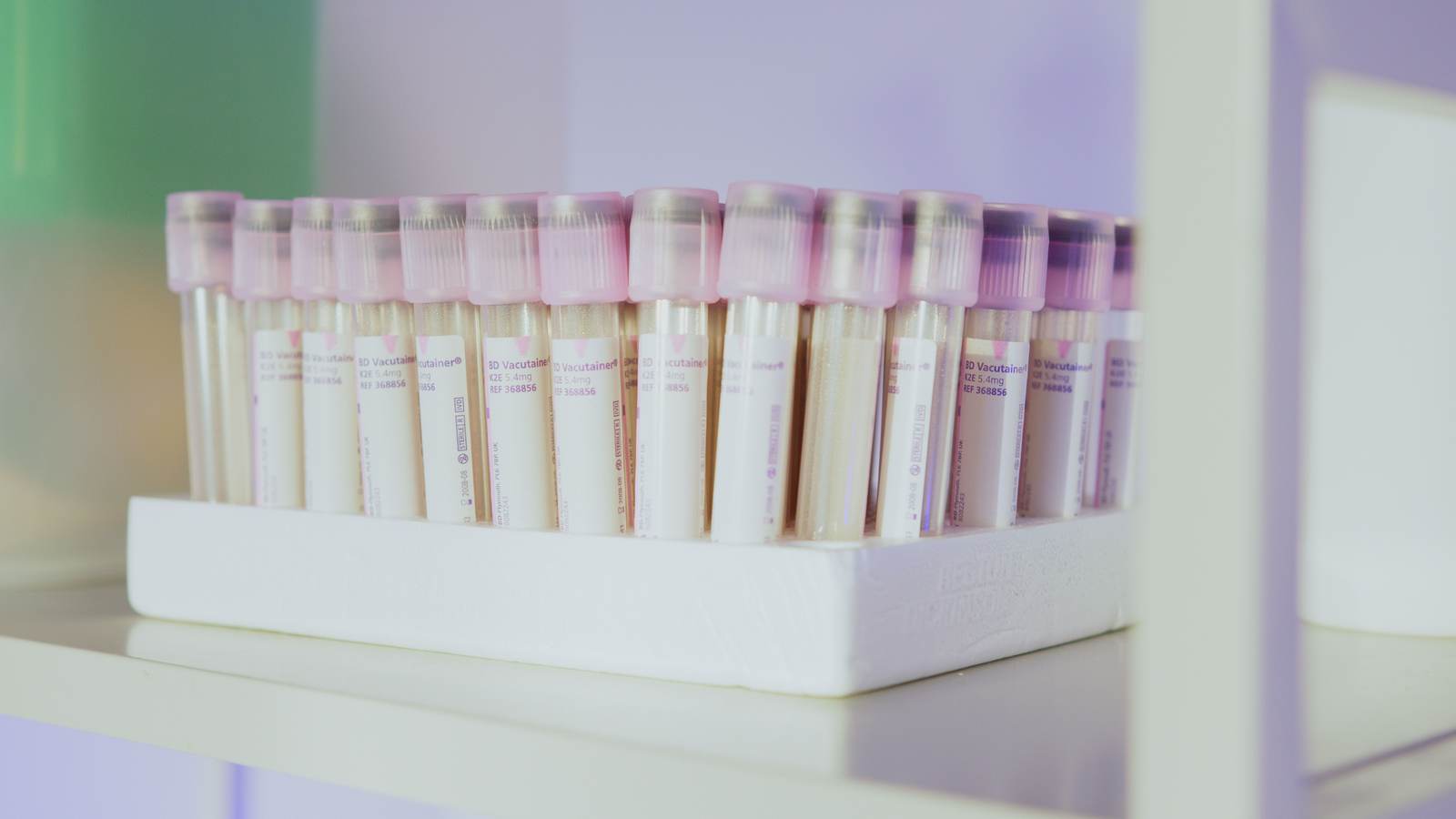
Your Timeline Is the Therapy’s Timeline. There Is Only One Date.
Two centers, two submissions, one intended approval — the cut-off written into a drug label decides who gets treated, and the bridging biobank has to exist before you knew you needed it.
What a CDx Program Plans Around.
Three things that are decided earlier than anyone expects.
Two submissions, two centers, one intended approval. Your timeline is the therapy’s timeline.
Set on pivotal data and written into a drug label. It decides who gets treated.
Bridging needs archived, consented pivotal specimens. Plan it at protocol design or it will not exist.
Six Failure Modes We Are Brought In to Prevent.
Almost all of them are the diagnostic being treated as the drug program’s accessory.
Clinical trial assay built casually
A research-grade assay used to enroll a pivotal trial, and a commercial product that now has to bridge to it.
No specimens for bridging
Archived samples too few, wrongly consented, or degraded — and a study that cannot be run at any price.
Cut-off set by convenience
A threshold chosen to make the trial work, then locked into a label that governs patient access.
Diagnostic timeline as an afterthought
The PMA started when the drug program was already in pivotal — and the two reviews cannot converge.
Collaboration agreement written without regulatory
Ownership of the cut-off, the data, and the label claims left ambiguous until they are contested.
LDT competition unplanned
An approved CDx competing with laboratory tests for the same marker, with no evidence or commercial answer.
CDx Leadership Fluent in Drug Programs and Device Files.
Our CDx leads have locked clinical trial assays, designed bridging studies, and kept two review clocks aligned.
“The diagnostic is not a supporting document for the drug. It is the instrument that decides which patients the label lets you treat — and it is written years before anyone reads it that way.”
The discipline we bring to oncology CDx, IHC, and NGS-based selection assays.
From the newsroom
The record moves. Follow it.
Regulatory News is our independent newsroom — every story sourced to the primary record, published the day it lands. These are the beats that touch this page. RegulatoryNews.com →
Co-Developing a Diagnostic? Lock the Assay Before the Trial Enrolls.
Bring senior CDx leadership in at protocol design — the bridging problem is created there and solved nowhere else.
Senior-led. Embedded in your team. No junior hand-offs.