The App Store Doesn’t Decide What’s a Device. Your Label Does.
Regulatory strategy for mobile health software — device software functions, enforcement discretion, and the claims engineering that keeps a roadmap on the right side of the line.

Free proposal · three minutes
Get your free mobile medical app proposal
No sales call. No account. No obligation.
Which markets matter in the next 18 months?
FDA Regulates Functions. Your App Probably Contains Several.
The unit of analysis in FDA’s device software functions guidance is not the app — it is each function inside it. One consumer product can simultaneously contain a general-wellness step counter (not a device), a symptom diary (enforcement discretion), and an ECG interpretation feature (a regulated device with a cleared predicate lineage). The binary ships as one bundle; the regulatory analysis does not.
This is why “is my app FDA-regulated?” is the wrong question. The right one is a function inventory: what does each feature claim, measure, and tell the user to do? We keep that inventory as a living document — because every sprint adds functions, and some of them are devices.

The store sees an app. The agency sees a bundle of functions, each with its own status.
Three Zones, and the Claims That Move You Between Them.
Every mobile health function sits somewhere on this spectrum. Nothing about the code moves it — the intended use does.
General Wellness
Low-risk products promoting healthy living — fitness, mindfulness, sleep hygiene — with no disease claim in sight.
Device, but Tolerated
Meets the device definition at low risk — FDA states it does not intend to enforce. A policy posture, not a clearance, and it travels with your claims.
Device Software Function
Diagnoses, treats, or transforms the phone into an instrument. Full device obligations: QMS, premarket pathway, postmarket duties.

“Know your heart” and “detect atrial fibrillation” can describe the same feature. Only one needs a submission.
Apps Don’t Become Devices in the Code. They Become Devices in the Copy.
The store listing, the onboarding screens, the push notifications, the influencer brief — all of it is intended use. A wellness app that quotes sensitivity and specificity has made a performance claim; a “reminder” that escalates to a caregiver has become an alert. The FTC polices the truthfulness of these claims while FDA polices their regulatory consequence, and both read the same screenshots.
We run claims review as an engineering discipline: a register mapping every user-facing statement to its zone on the spectrum, reviewed at release, so the growth team can move fast inside a boundary instead of discovering it from a warning letter.
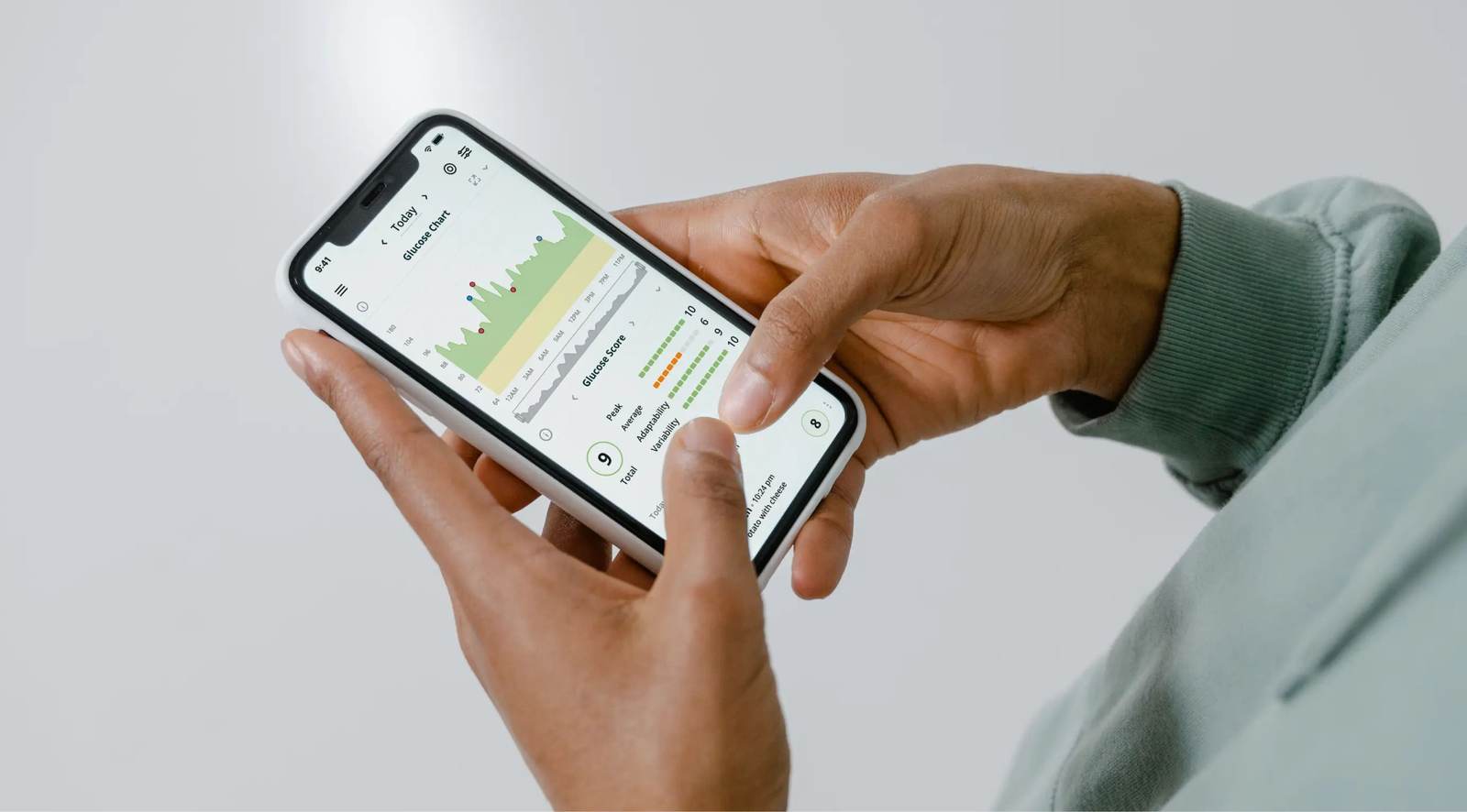
Two Agencies Read the Same Screenshot.
What a Mobile Health Program Plans Around.
Three constants that outlast every OS release — kept the way we keep them for clients: as a function inventory.
FDA regulates functions, not apps. Inventory your features like a reviewer would, because eventually one will.
Enforcement discretion evaporates the moment risk or claims outgrow the policy that granted it.
FDA reads your claims for device status; the FTC reads them for substantiation. The store copy answers to both.
Six Failure Modes We Are Brought In to Prevent.
Almost all of them ship through the marketing pipeline, not the build pipeline.
listing_v41.png
Claims drift in the store listing
Each A/B test nudges “track your sleep” toward “detect apnea” — until the listing describes a device the company never filed.
onboarding_03.png
Wellness app quoting clinical stats
Sensitivity, specificity, and “clinically validated” in the same paragraph as “not a medical device” — a contradiction regulators collect.
push_urgent.png
A notification that became an alarm
The push that escalates, repeats, and demands action is an alert function — with reliability expectations no consumer OS guarantees.
investor_deck_p12.png
Discretion treated as clearance
Investor decks citing “FDA-compliant” for a product the agency has merely chosen not to pursue — a diligence finding waiting to happen.
os_changelog.png
OS updates outside change control
A platform API change silently alters sensor behavior your function depends on — nobody assessed it, because it wasn’t “your” release.
roadmap_q4.png
Crossing the line without a QMS
The roadmap finally justifies a submission — and there’s no design history, no risk file, and eighteen months of retrofit between you and filing.

Mobile Health Regulatory Leadership at Consumer Speed.
Our leads have run function inventories, kept wellness products wellness, and filed the submissions when the value crossed the line.

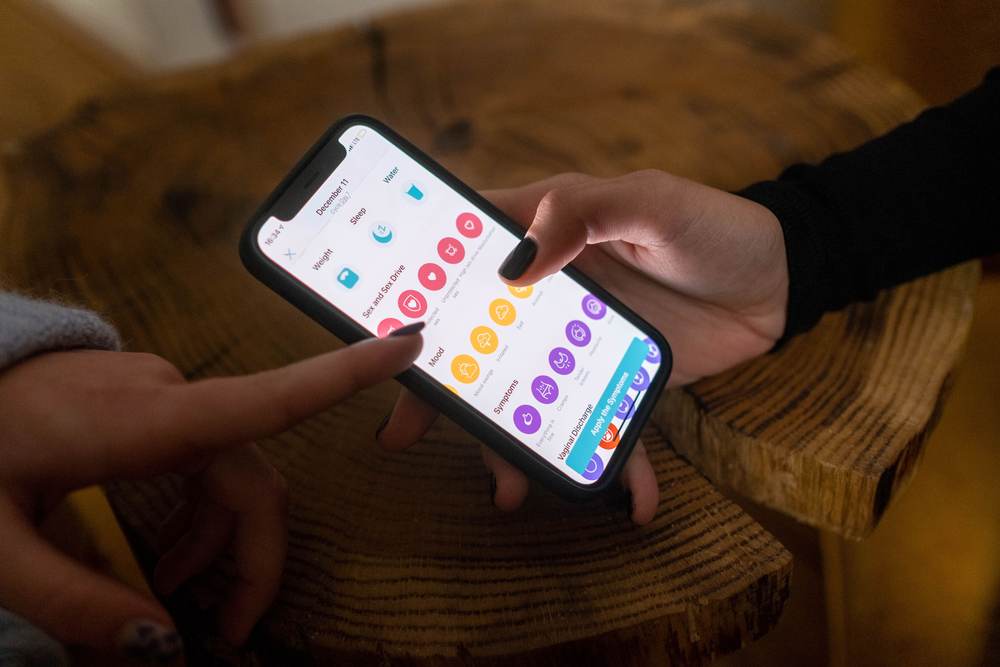
“We’ve never seen an app become a device by accident in the code. It happens in the marketing copy, one claim at a time.”
The discipline we bring to consumer health, wellness, and mobile clinical products.
From the newsroom
The record moves. Follow it.
Regulatory News is our independent newsroom — every story sourced to the primary record, published the day it lands. These are the beats that touch this page. RegulatoryNews.com →
- Healthcare technologySaMD, AI-enabled devices and digital health.
- FDAApprovals, clearances, letters and guidance.
- GuidanceDraft and final guidance, as it lands.
- Devices510(k)s, De Novos, PMAs and EU MDR.
- Industry SpotlightCompany milestones, reported in depth.
- Full archiveEvery story we have published, searchable.
Shipping a Health App? Audit the Claims Before the Agency Does.
Bring senior mobile-health regulatory leadership in while the function inventory is still short.
Senior-led. Embedded in your team. No junior hand-offs.