Clearance Is Not the Finish Line. Coverage Is.
Regulatory strategy for rehabilitation technology — where an exoskeleton can be cleared by the FDA and still unfundable without the right evidence.
Free proposal · three minutes
Get your free rehabilitation regulatory proposal
No sales call. No account. No obligation.
What do you need?
The FDA Asks If It Works. The Payer Asks If It Matters.
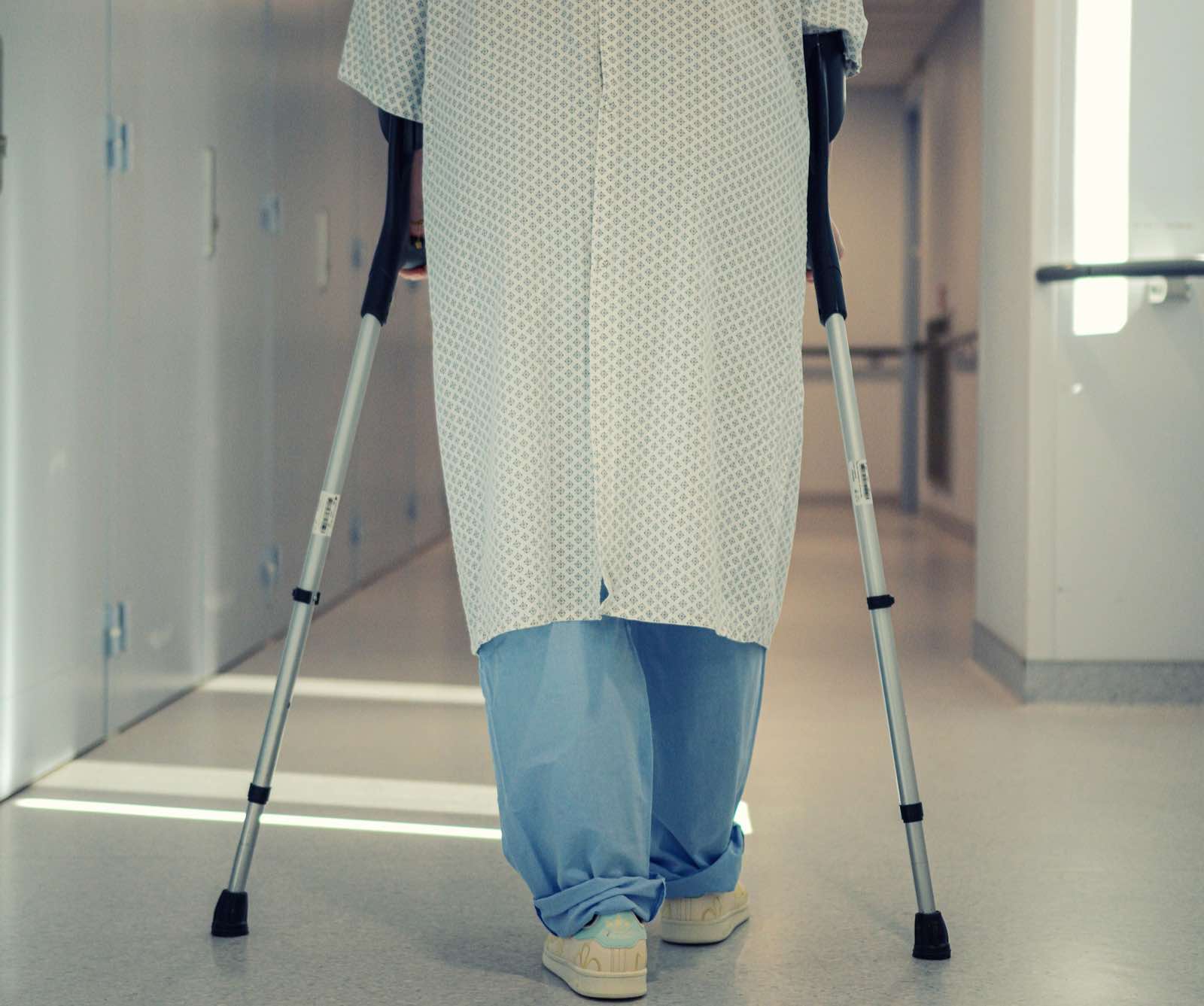
Rehabilitation technology has a distinctive failure pattern: devices clear the FDA on safety and a modest functional signal, then fail commercially because no payer will fund them. Exoskeletons cleared for spinal cord injury; coverage arrived slowly, narrowly, and only after evidence the clearance never required. The regulatory win was real and insufficient.
The answer is not to run two evidence programs but one program that answers both questions — a trial whose functional endpoints are also the outcomes a coverage determination will look for. We design rehabilitation evidence to clear and to be covered, because a device nobody funds does not reach a patient.

An exoskeleton with FDA clearance and no coverage determination is a research device with a marketing budget.
Two Regulators, Two Questions, One Trial That Should Answer Both.
Rehabilitation is the clearest case on this site of a field where clearance and coverage are separate hurdles — and where evidence built for one rarely satisfies the other.
Bench testing, human factors, and a functional signal against a predicate or in a modest trial. Achievable in months, and insufficient by itself.
Meaningful improvement in function, durability of benefit, and evidence in the Medicare population — a different bar with a different literature.
Comparative effectiveness against existing therapy, cost offsets, and outcomes that matter to a budget holder rather than a reviewer.
Set-up time, staffing burden, and whether the device fits a real therapy session — the hurdle no regulator measures and every product hits.
The design lever is the endpoint. A trial powered on a gait-speed change large enough to clear the FDA can be too small to interest a payer, while one powered on independence, hospital days, or caregiver burden answers both. Choosing that endpoint is a commercial decision disguised as a regulatory one — which is exactly why it should be made with regulatory and market access in the same room.
From a Wheelchair to a Brain-Computer Interface.
Rehabilitation now spans mature Class I equipment, powered robotics, implanted neural interfaces, and software prescribed like a drug.
Exoskeletons & Robotics
Powered mobility and therapy robots where clearance is achievable and coverage is the actual battle.
Neurorehabilitation
Stimulation and brain-computer interfaces — Breakthrough Device territory with genuine first-in-human complexity.
Digital Therapeutics
Software prescribed for recovery, where SaMD rules, engagement decay, and the reimbursement code problem all collide.
Assistive Technology
Wheelchairs, prosthetics, and orthotics in a mature regulatory space where the entire fight is DME coverage and coding.
Therapy Equipment
Largely Class I, largely exempt, and where over-claiming is the only reliable way to create a regulatory problem.
Tele-rehabilitation
Remote therapy platforms and remote patient monitoring, where the billing codes moved faster than the evidence did.

Grip strength clears. Independence gets funded. One trial can produce both — if it was designed to.
Gait Speed Is Measurable. Independence Is What Is Being Bought.
Rehabilitation's endpoints divide into the ones that are easy to measure and the ones that people actually care about. Gait speed, range of motion, and grip strength are objective, cheap, and sensitive — and none of them tells a payer whether the patient can now live alone. Functional independence measures, hospital days avoided, and caregiver burden do, and they are harder, slower, and more variable.
The gap is where rehabilitation products die. We build endpoint hierarchies that put the measurable metric in support of the meaningful one — so the trial produces both the clearance and the coverage argument, from one enrolment.
Rehabilitation's Graveyard Is Full of Cleared Devices.
This is a field where regulatory success is genuinely not the same thing as reaching patients.
FDA asks whether it is safe and effective. CMS asks whether it is reasonable and necessary. Passing the first does not address the second.
Neural interfaces and novel rehabilitation technology are strong Breakthrough Device candidates — earlier agency engagement, and a payer signal too.
Independence, hospital days, and caregiver burden are the outcomes that buy coverage. Gait speed alone rarely does.
Six Failure Modes We Are Brought In to Prevent.
Almost every one of them is a device that cleared and then met the real gatekeeper.
Clearance-only evidence
A trial designed against the FDA's question alone, leaving a coverage determination with nothing to work from.
Endpoints too small to matter
Powering on a physiological metric that clears the agency and cannot support a reasonable-and-necessary argument.
Wrong population
Generating evidence outside the Medicare population that will actually be asked to fund the device.
No coding path
Launching with no HCPCS or CPT route, so even willing clinicians cannot bill for using the product.
Adoption burden ignored
A device that needs two therapists and forty minutes of setup in a thirty-minute reimbursed session.
DTx engagement decay
A prescribed digital therapeutic whose trial engagement bears no relationship to real-world use, and whose evidence collapses on contact.
Rehabilitation Regulatory Leadership That Thinks About the Payer.
Our rehabilitation leads have cleared robotic and neurotechnology devices, built Breakthrough Device strategies, and designed trials that answered the FDA and CMS from one enrolment.
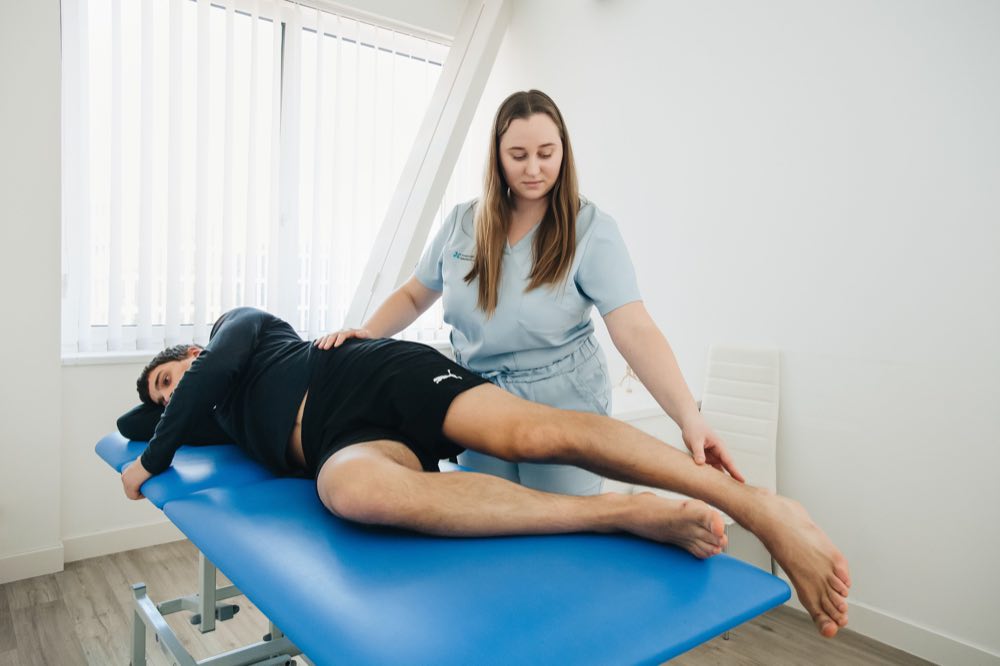
"In rehabilitation, clearance is the cheap half. If the trial cannot also make the coverage argument, you have built a device that works and nobody can buy."
The discipline we bring across robotics, neurorehabilitation, digital therapeutics, and assistive technology.
From the newsroom
The record moves. Follow it.
Regulatory News is our independent newsroom — every story sourced to the primary record, published the day it lands. These are the beats that touch this page. RegulatoryNews.com →
- Devices510(k)s, De Novos, PMAs and EU MDR.
- FDAApprovals, clearances, letters and guidance.
- GuidanceDraft and final guidance, as it lands.
- DrugsPharmaceutical approvals, labels and pathways.
- Key datesDeadlines and comment periods, in one calendar.
- Full archiveEvery story we have published, searchable.
Building Rehabilitation Technology? Design for Coverage, Not Just Clearance.
Bring senior rehabilitation regulatory leadership in while the endpoints can still answer both the FDA and the payer.
Senior-led. Embedded in your team. No junior hand-offs.