The Specialty That Made Safety a Solved Problem.
Regulatory strategy for anesthesia — where mortality fell a hundredfold and every new product must beat a solved problem.

Free proposal · three minutes
Get your free anesthesiology regulatory proposal
No sales call. No account. No obligation.
What do you need?
Anesthesia Solved Its Own Safety Problem — and Made Innovation Harder.
Anesthesia-related mortality fell by orders of magnitude over four decades, driven by monitoring standards, pulse oximetry, capnography, and a safety culture the rest of medicine still studies. The specialty deliberately engineered its own risk away. The regulatory consequence is severe: the incumbent works, cheaply, in expert hands.
So a new sedative must beat propofol on something that matters, with a safety margin measured against a comparator that almost never fails, in a setting where the practitioner is an expert at rescuing patients. We position anesthesia products against a baseline that is genuinely excellent — which means finding the claim that survives it.
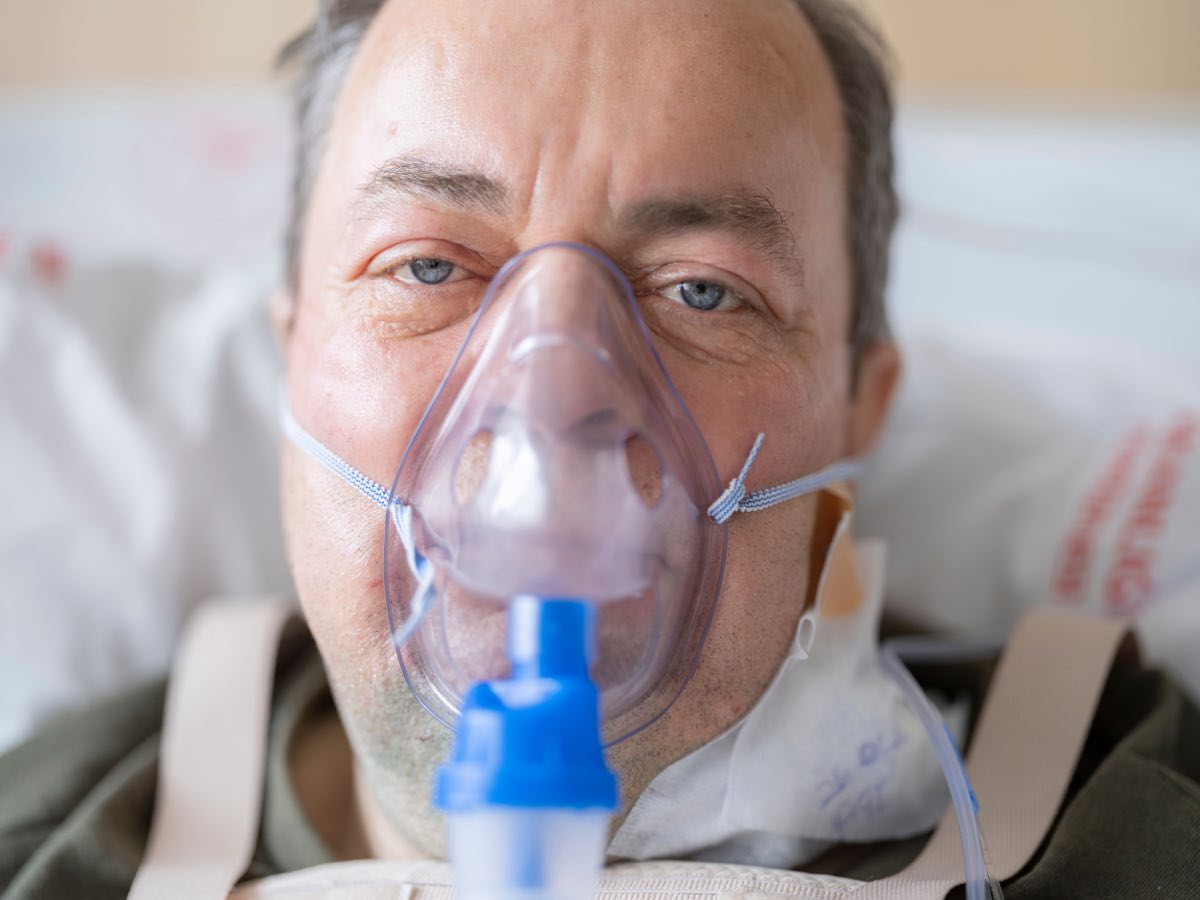
Propofol is cheap, fast, and familiar. A new sedative has to beat a comparator that almost never fails.
Four Places the Incumbent Can Still Be Beaten.
Anesthesia innovation succeeds in the margins the standard of care genuinely leaves open — not in a head-to-head efficacy claim it will lose.
Haemodynamic stability
The frail patientPropofol drops blood pressure. In elderly and cardiac-compromised patients that matters, and a sedative with a better haemodynamic profile has a real, defensible claim.
Recovery quality
The economics of the PACUFaster, clearer emergence with less nausea shortens recovery-unit time. That is a claim with a health-economic argument attached and a route to adoption.
Reversibility
The rescue problemAn agent with a specific reversal path changes the risk calculus in procedural sedation outside the operating theatre — where the expert rescuer is not in the room.
The non-anesthetist setting
Where the safety record is notProcedural sedation delivered by non-anesthesiologists is where the specialty's excellent outcomes do not automatically apply — and where a safer agent is genuinely needed.
The last row is the strategic one. Anesthesia's safety record belongs to anesthesiologists. In endoscopy suites, dental offices, and emergency departments, the same drugs are given by people who are not experts at managing a lost airway — and that is the setting where a product with a wider therapeutic margin or a reversal agent has both a clinical rationale and a regulatory story the division will engage with.
Drugs, Machines, Algorithms, and an Unresolved Label.
The specialty covers scheduled sedatives, life-critical machines, closed-loop control, and a pediatric warning nobody has been able to settle.
General Anesthetics
Where the comparator is excellent and the winning claim is haemodynamic stability or recovery quality, not potency.
Regional Anesthesia
Long-acting local anesthetics and liposomal formulations — combination products with a strong opioid-sparing story.
Monitoring Devices
The technology that produced the safety record, now facing closed-loop control and the automation questions it raises.
Airway Management
Videolaryngoscopes and supraglottic devices in 510(k) space, where human factors under stress is the whole submission.
Pediatric Anesthesia
The 2016 warning on repeated exposure in children under three — a labeling question the science still has not closed.
Procedural Sedation
Sedation outside the operating theatre, where the specialty's safety record does not apply and the regulatory need is real.
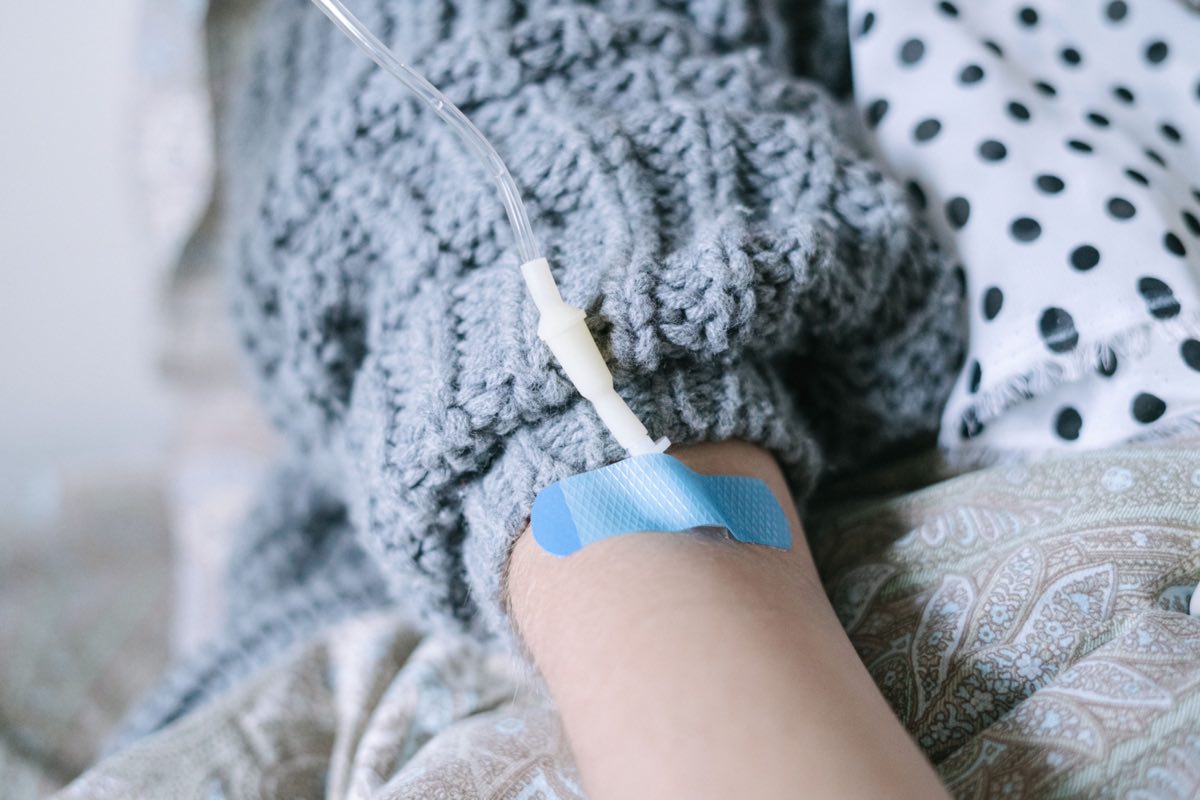
Animal data, equivocal human evidence, a warning that stands. Every pediatric anesthetic inherits the question.
A Label the Science Has Not Been Able to Settle.
In 2016 the FDA warned that repeated or lengthy use of general anesthetics in children under three, or in the third trimester, may affect brain development. It was based largely on animal neurotoxicity data and equivocal human evidence, and it put clinicians in an impossible position: the surgery is necessary, and the alternative to anesthesia is not no anesthesia.
Subsequent studies have been reassuring for single short exposures and inconclusive for repeated ones, and the warning stands. Any new anesthetic in pediatric use inherits that question — and a program that has not planned its nonclinical neurotoxicity package and its pediatric labeling position will meet it at the review, not before.
The Hardest Thing About Anesthesia Is How Good It Already Is.
There is no other field where the standard of care is this effective, this cheap, and this thoroughly defended by its own practitioners.
reduction in anesthesia-related mortality over four decades. A new product is measured against that, in the hands of people who achieved it.
Most sedatives carry controlled-substance status, which means abuse potential work and DEA scheduling sit on the approval path.
The FDA's pediatric neurotoxicity warning still stands, unresolved — and every new anesthetic in children inherits the question.
Six Failure Modes We Are Brought In to Prevent.
Most of them are a sponsor picking a fight with propofol that they were never going to win.
A head-to-head efficacy claim
Trying to beat an incumbent that is cheap, fast, and familiar on the axis where it is strongest.
The wrong setting
Positioning for the operating theatre, where the safety record is superb, instead of procedural sedation, where the need actually is.
Scheduling unplanned
Reaching approval without the abuse potential package, and watching DEA scheduling delay a launch nobody diaried.
Pediatric neurotoxicity unaddressed
Bringing an anesthetic to pediatric indications without a nonclinical package that speaks to the 2016 warning.
Closed-loop automation underestimated
Building automated sedation control without the human-factors and fail-safe evidence an autonomous claim demands.
Combination product surprise
A liposomal or device-delivered local anesthetic filed as a drug, then routed through combination-product review.
Anesthesia Regulatory Leadership Against an Excellent Baseline.
Our anesthesia leads have positioned sedatives against propofol, run abuse potential and scheduling programs, and cleared airway and monitoring devices.
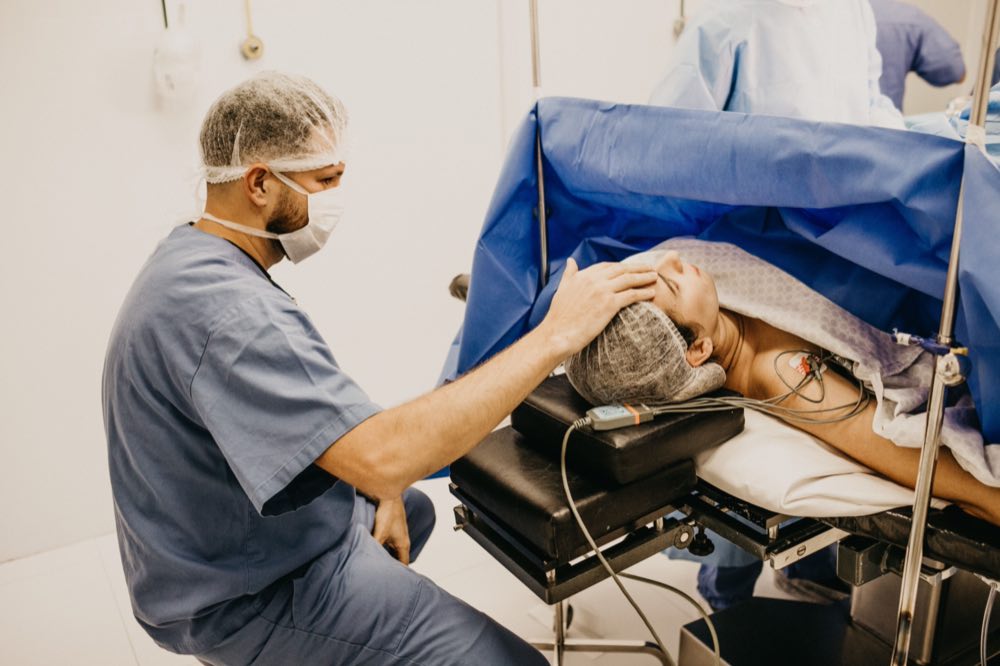
"Anesthesiology engineered its own risk away, and then had to keep innovating against the result. The winning programs stop attacking propofol and find the patient it does not serve."
The discipline we bring across general anesthetics, regional blocks, monitoring, airway, and procedural sedation.
From the newsroom
The record moves. Follow it.
Regulatory News is our independent newsroom — every story sourced to the primary record, published the day it lands. These are the beats that touch this page. RegulatoryNews.com →
Developing an Anesthetic or Airway Product? Find the Claim That Beats Propofol.
Bring senior anesthesia regulatory leadership in while the positioning, the setting, and the comparator are still open.
Senior-led. Embedded in your team. No junior hand-offs.