The Operator Has No Training and the Result Is Acted On Immediately.
Regulatory strategy for near-patient testing — CLIA waiver, flex studies, and robustness evidence for results produced in untrained hands.
Free proposal · three minutes
Get your free point-of-care diagnostic proposal
No sales call. No account. No obligation.
Which markets matter in the next 18 months?
Every Control a Central Lab Provides, Your Device Has to Provide Itself.
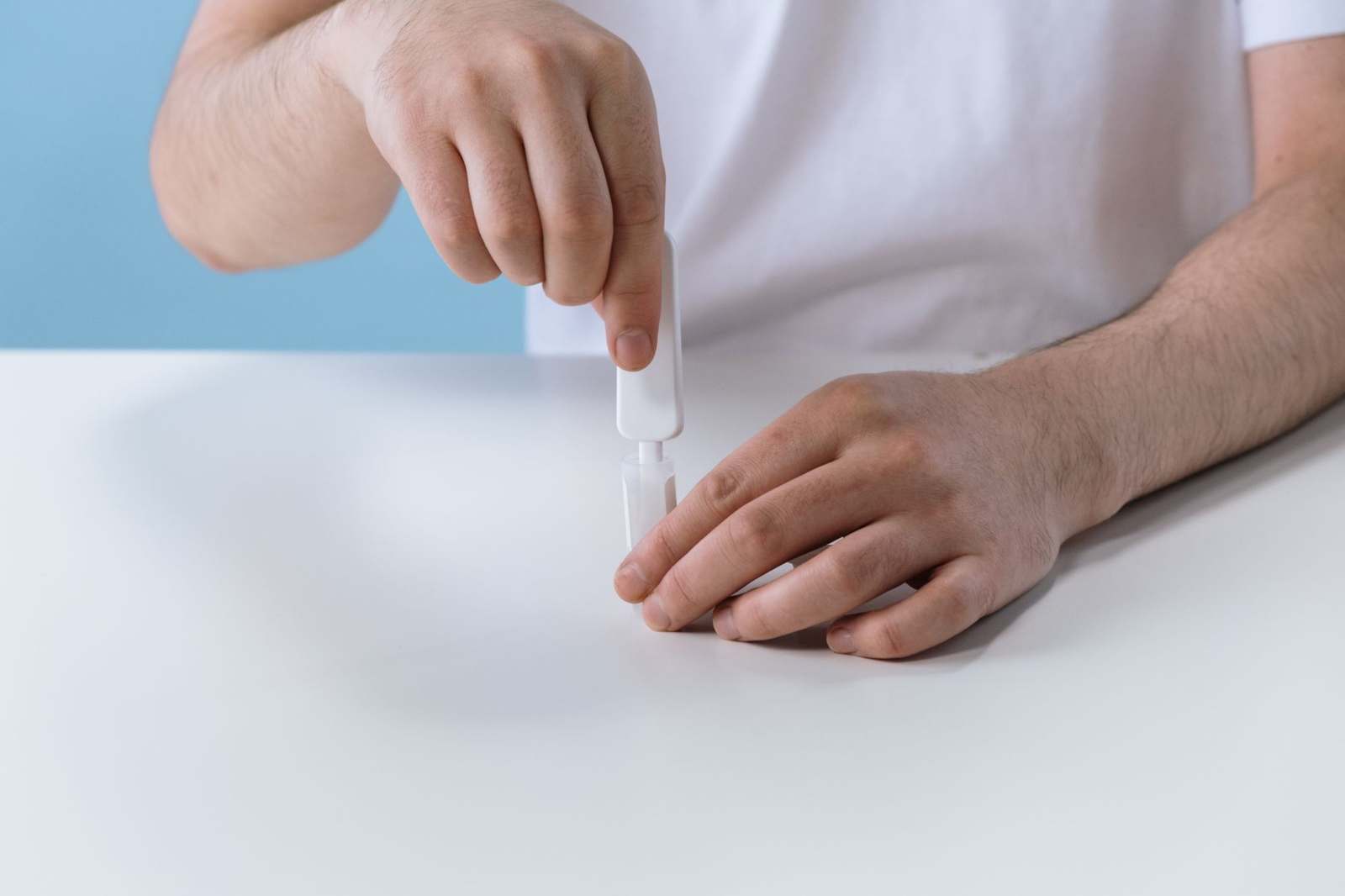
A clinical laboratory is a system of controls: trained technologists, calibrated instruments, proficiency testing, a supervisor who notices when results drift. Move the test to a pharmacy counter, an urgent care, or a kitchen table and every one of those disappears. The operator may be a receptionist. The device may be stored next to a window. The result will be acted on in minutes, without a second opinion.
So the regulatory bar shifts from analytical performance to robustness against everything that can go wrong when nobody is watching. Not “is it accurate?” but “is it accurate when the sample is under-filled, the cartridge is cold, the timing is off by a minute, and the operator read the instructions once, badly?” That is a fundamentally different evidence package, and it is why CLIA waiver is harder than most sponsors expect.
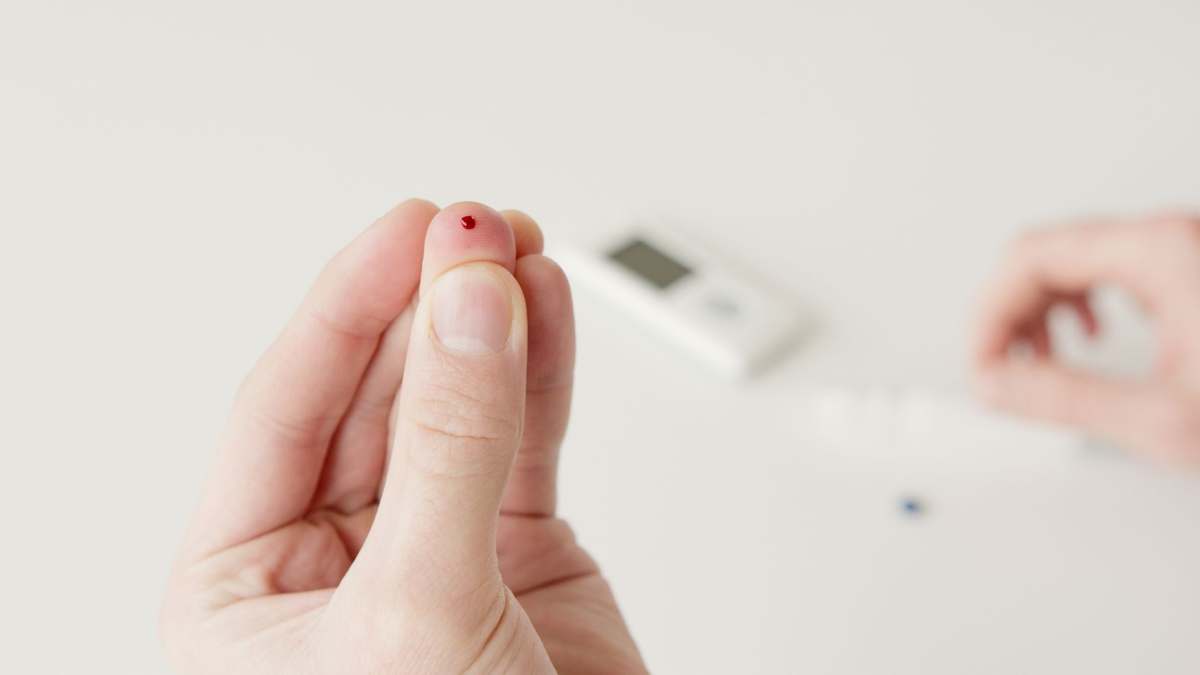
Sample volume, timing, and technique are all operator-dependent — and all of them are yours to design out.
Complexity Decides Who Can Run Your Test — and That Decides Your Market.
CLIA categorization is not a footnote to your FDA clearance. It is the variable that determines how many sites in the country are legally allowed to use the product you just built.
Anywhere, by anyone
Simple, with an insignificant risk of an erroneous result. Opens the entire market — pharmacies, clinics, homes — and requires you to prove the test survives untrained use.
Certified laboratories
Personnel requirements, quality control, proficiency testing. A large market, but not the one your point-of-care business case assumed.
Complex laboratories only
Full CLIA infrastructure. For a device designed to be used at the bedside, this categorization is a commercial failure wearing a clearance.
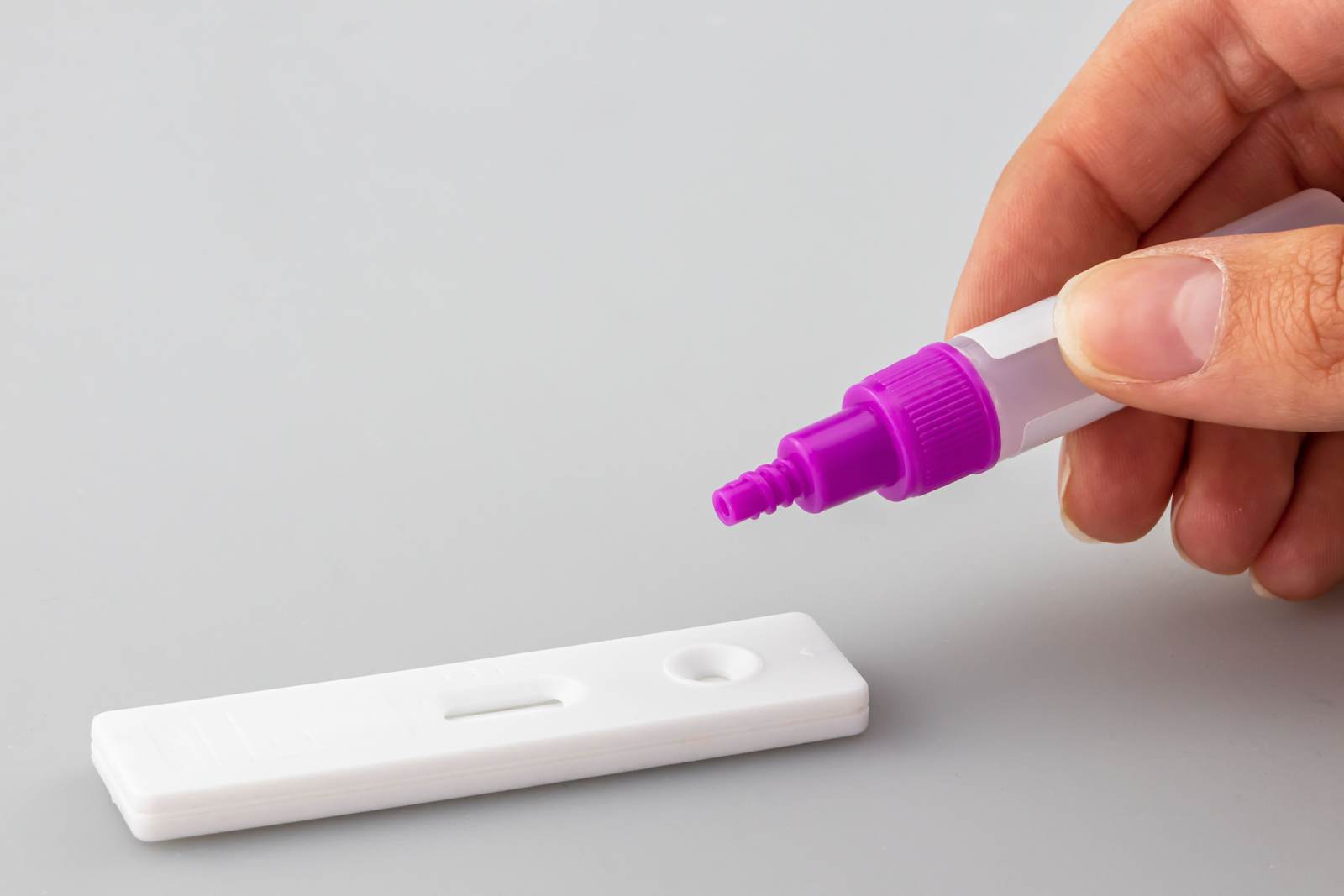
The waiver is earned with flex studies. You deliberately stress the system — wrong volumes, wrong temperatures, wrong timing, degraded reagents, interfering substances — to show that the failure modes either do not occur or announce themselves. Then untrained operators run it in real sites, with results compared against a reference. It is an engineering argument that the device fails safe, not a claim that users will follow instructions.

The same test moved from a hospital to a pharmacy meets a different population — and different predictive values.
Home Testing Proved the Model — and Proved What It Costs.
COVID-19 pushed diagnostics into homes at unprecedented scale and settled some arguments permanently: lay users can produce reliable results with well-designed devices, and demand for near-patient answers is real. It also exposed the hard parts — instructions that have to work for everyone, results that patients interpret without a clinician, reporting obligations, and performance claims meeting a population whose prevalence shifts weekly.
That last point is the one that persists. A test with excellent specificity, deployed for screening in a low-prevalence setting, generates false positives at a rate that erodes trust in the whole category. We size the claim to the setting — and design the human factors, the flex studies, and the labeling as one argument about what happens when this device is used by someone having a bad day.
A CLIA Waiver Is Earned With Data, Not Asserted in a Cover Letter.
Flex studies and untrained-user performance open the market; fail-safe design makes an invalid result a success rather than a hazard; and the setting itself changes the predictive value of a perfect test.
What a Point-of-Care Program Plans Around.
Three constraints that decide whether the product has a market.
The categorization that opens the market. Earned with flex studies and untrained-user data, not asserted.
The design principle. An invalid result is a success; a wrong result delivered confidently is the hazard.
Changes the prevalence, and therefore the predictive value of the same excellent test.
Six Failure Modes We Are Brought In to Prevent.
The device usually works. The system around the device is what fails.
Waiver assumed in the business case
A commercial model built on pharmacy distribution, and a moderate-complexity categorization that closes it.
Flex studies too gentle
Stress testing that avoids the conditions real use will produce — and a waiver request that reads as optimistic.
Untrained-user study with trained users
Site staff who have been briefed, standing in for the receptionist who will actually run it.
No invalid-result path
A device that produces a number regardless — when the safest output was “this run failed, try again.”
Instructions written by engineers
An IFU that assumes literacy, lighting, and patience that the use environment does not supply.
Screening claim in a low-prevalence setting
Excellent specificity generating mostly false positives — arithmetic that was knowable before the study.

Point-of-Care Leadership That Designs for the Worst Day.
Our leads have built flex study programs, run untrained-user studies, and taken near-patient tests through waiver.
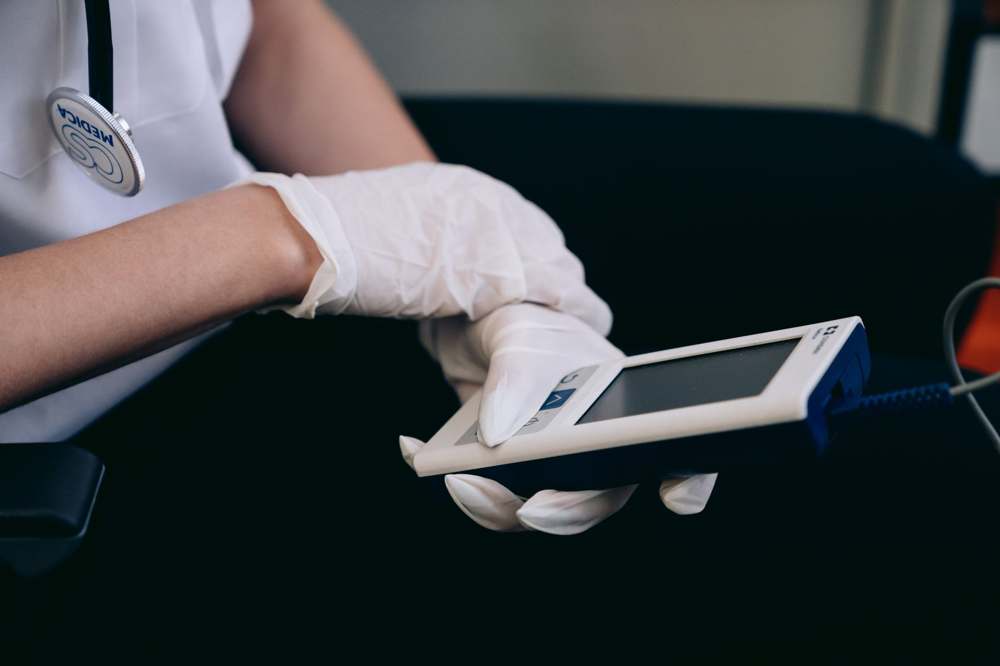

“A waived test has to survive the receptionist, the cold cartridge, and the under-filled sample. If the device only works when everything goes right, it is not a point-of-care product.”
The discipline we bring to rapid tests, handheld analyzers, and home diagnostics.
From the newsroom
The record moves. Follow it.
Regulatory News is our independent newsroom — every story sourced to the primary record, published the day it lands. These are the beats that touch this page. RegulatoryNews.com →
Building a Point-of-Care Test? Design for the Waiver From the First Sketch.
Bring senior diagnostics leadership in early — waiver is an engineering outcome, not a submission strategy.
Senior-led. Embedded in your team. No junior hand-offs.