Canada Licenses the Company Too — Not Just the Device.
Medical Device Establishment Licence strategy — the company-level licence for importers, distributors, and Class I manufacturers, with the procedures Health Canada expects behind it and the annual renewal that keeps it live.

Free proposal · three minutes
Get your free MDEL proposal
No sales call. No account. No obligation.
Which markets matter in the next 18 months?
The Licence Follows the Role, Not the Product.
Canada separates the device from the business that handles it. An establishment licence covers the company importing, distributing, or making Class I devices — and it is a different obligation from the device-level Medical Device Licence.
Handling Devices in Canada
- An importer bringing any class of device into Canada
- A distributor selling devices you did not manufacture
- A Class I manufacturer — the class that gets no device licence
- Required to hold procedures for complaints, recalls, and reporting
Licensing the Device Itself
- You manufacture Class II, III, or IV devices — that’s a device licence
- The obligation attaches to the product, not the establishment
- It rests on a valid MDSAP certificate, not just procedures
- Many companies hold both — an MDL for the device, an MDEL to import it
Both can apply at once. A Class III manufacturer that also imports its own product into Canada needs an MDL for the device and, depending on structure, an MDEL for the establishment — two licences, two clocks.
An MDEL Is Not a Registration. It’s a Set of Procedures Health Canada Can Ask to See.
Getting the licence is an attestation — but the attestation is that you hold and follow specific procedures: complaint handling, mandatory problem reporting, recall, and distribution records that let a product be traced and pulled. Health Canada can ask to see them, and “we attested” is not the same as “we run them.”
So the real work isn’t the application — it’s standing up the operational procedures that make the attestation true, and keeping the licence current through the annual renewal that, missed, stops your ability to import or distribute.
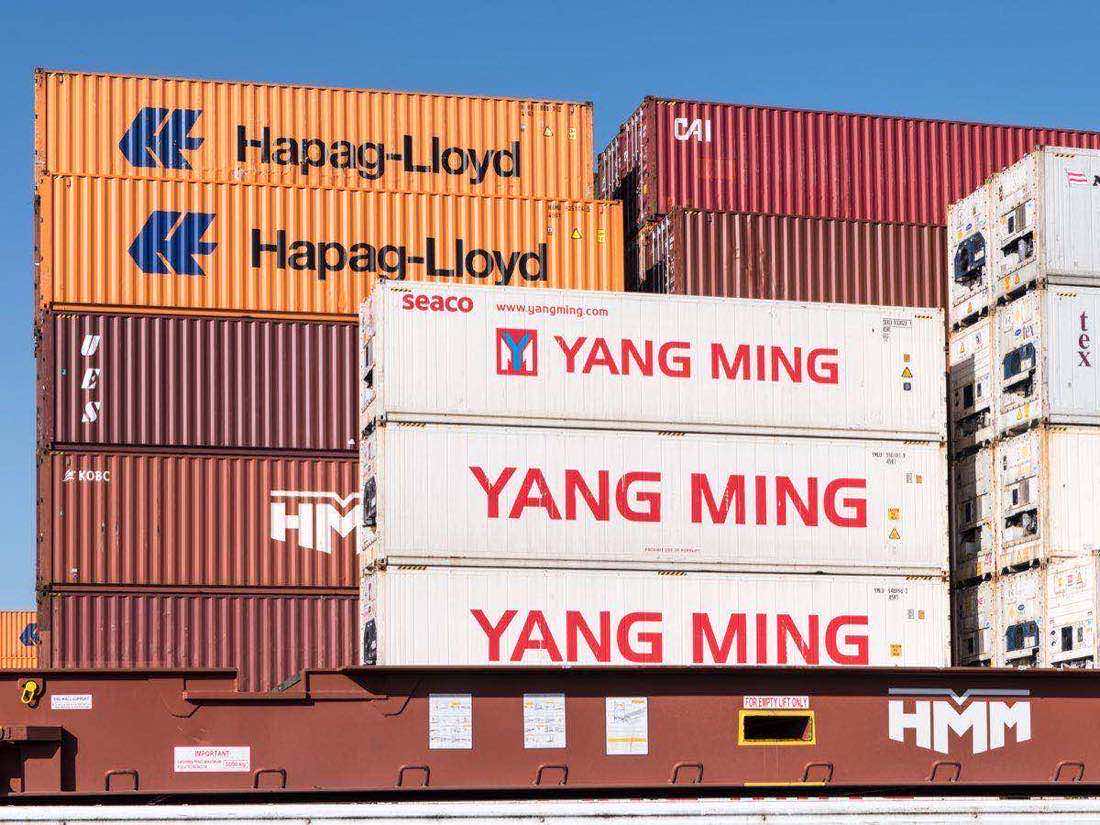
Bringing any class of device into Canada is an establishment activity — the licence covers the crossing, not the product.
Six Disciplines That Carry an MDEL.
Small application, real obligations — we build the ones the licence attests to.
Role & Scope Determination
Whether you need an MDEL, an MDL, or both — settled against how your company actually imports, distributes, and manufactures in Canada.
MDEL Application
The establishment licence application filed with the device classes and activities correctly scoped — and the attestations you can actually stand behind.
Required Procedure Set
The complaint-handling, recall, mandatory-problem-reporting, and distribution-record procedures the licence attests to — built to be run, not filed.
Distribution & Traceability
Distribution records that let a device be traced and recalled — the system that turns the recall procedure from a document into a capability.
Annual Renewal
The yearly renewal owned and filed before the deadline — the obligation that, missed, suspends your ability to import or sell.
Readiness & Reconciliation
The procedures and records ready for the day Health Canada asks — and reconciled with your device licences so the two never contradict each other.
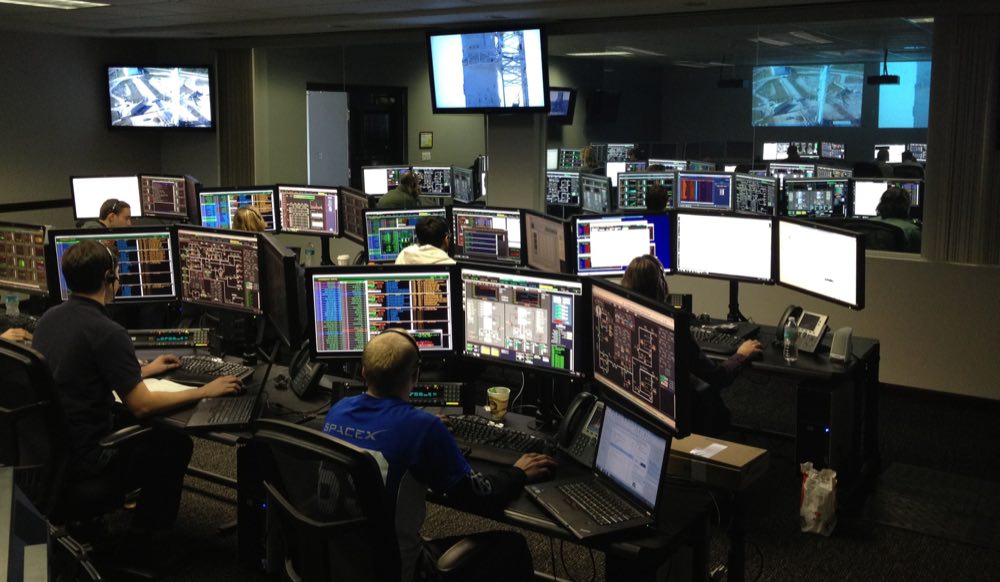
Import and distribution are licensed acts in their own right — the manufacturer's licence does not cover them.
The Company Most Likely to Miss This Thinks of Itself as ‘Just the Distributor.’
The role that most often goes unlicensed is the importer or distributor that assumes the manufacturer’s obligations cover it. They don’t. In Canada, the act of importing or distributing a device is itself a licensed activity, with its own procedures and its own renewal — regardless of who made the product.
We map every Canadian role in your supply chain to the licence it triggers, so nothing crosses the border on the assumption that someone else’s licence covers it — the same reconciliation that keeps device licences and establishment licences in agreement.
Six Failure Modes We Are Brought In to Prevent.
Most are a role nobody licensed or a procedure nobody ran.

The unlicensed importer
A company importing devices while assuming the manufacturer’s licence covers it — a role that needed its own MDEL all along.
Attested but not built
Procedures attested to on the application that don’t actually exist — until Health Canada asks to see the recall process.
The missed renewal
The annual renewal deadline missed — and a suspended licence discovered when a shipment can’t clear.
Distribution records that can’t trace
A recall procedure with no distribution records behind it — the capability that only reveals its gaps under a real recall.
MDEL and MDL confused
Filing an establishment licence when the device needed a device licence, or the reverse — and shipping against the wrong authorisation.
Class I treated as unregulated
A Class I manufacturer assuming no licence applies — when Class I is exactly the manufacturing role the MDEL covers.
Canadian Establishment Licensing, Built to Be Run.
Our operations leads have scoped Canadian roles, filed MDELs, and stood up the procedures the licence attests to.
“An MDEL is a promise about how you handle devices, not a form. We build the procedures first, so the attestation is simply true — which is exactly what Health Canada checks.”
The discipline we bring to establishment licensing.
From the newsroom
The record moves. Follow it.
Regulatory News is our independent newsroom — every story sourced to the primary record, published the day it lands. These are the beats that touch this page. RegulatoryNews.com →
- Devices510(k)s, De Novos, PMAs and EU MDR.
- FDAApprovals, clearances, letters and guidance.
- Other regulatorsTGA, PMDA, Health Canada, NMPA and the rest.
- GuidanceDraft and final guidance, as it lands.
- Industry SpotlightCompany milestones, reported in depth.
- Full archiveEvery story we have published, searchable.
Importing or Distributing in Canada? Confirm the Role Is Licensed.
A senior lead can map every Canadian role in your supply chain to the licence it triggers — and build the procedures before Health Canada asks to see them.
Senior-led. Embedded in your team. No junior hand-offs.