For a Biologic, the Process Is the Product.
BLA strategy under Section 351 of the Public Health Service Act — licensure where your manufacturing process is the thing being approved, and comparability is the discipline that keeps it that way.


Free proposal · three minutes
Get your free BLA proposal
No sales call. No account. No obligation.
Start my free proposalNot an Approval. A License — for a Product and the Plant That Makes It.
Biologics are licensed under the PHS Act, not approved under the FD&C Act, and the difference is not semantic. A license attaches to a product and the facility and process that produce it. Where a small molecule can be characterized completely, a monoclonal antibody or cell therapy is defined by how it was made — the cell line, the bioreactor, the purification train, the controls around all three.
Everything distinctive about BLA strategy follows from that. Process changes become scientific events requiring comparability evidence. The pre-license inspection carries weight no paper section can offset. And potency — the assay that proves the product does what the label says — is a years-long problem that teams routinely start too late.

Analytical comparability is the language of biologics CMC — the orthogonal methods that detect what a single assay would miss.
Every Process Change Has a Price. Comparability Is How You Pay It.
Under ICH Q5E, a manufacturing change is evaluated on whether the product remains comparable in quality, safety, and efficacy. The evidence tier scales with the risk — and the change you make in Phase 3 costs far more than the same change in Phase 1, unless a comparability protocol already set the reporting tier before you needed it.
Bioreactor scale alters shear, oxygen transfer, and residence time — which alter the glycan profile the cells produce.
Equipment, water, personnel, and environment all change at once — and the license is site-specific by design.
The most fundamental change a biologic can undergo. The product is, at the molecular level, no longer the same thing until proven otherwise.
Impurity and aggregate profiles move — and aggregates are the immunogenicity risk regulators ask about first.
Stability, extractables, and delivery performance all reopen — usually the most tractable of the set.
The ledger is a planning tool, not a rule. FDA decides the evidence tier from your product’s risk profile and the totality of your data — which is exactly why the changes get discussed with the agency before they are made, not defended after.
Six Disciplines That Carry a BLA.
Biologics programs fail in CMC far more often than in the clinic. We staff accordingly.
Process & Control Strategy
The control strategy built from the process, not bolted onto it — critical quality attributes, critical process parameters, and specifications that hold at commercial scale.
Comparability Programs
Change-by-change comparability protocols agreed with FDA before execution — so a scale-up doesn’t become an unplanned clinical bridge.
Potency & Analytical Strategy
The assay that proves biological activity, developed and qualified on a timeline that respects how long it actually takes. Started at Phase 3, it is already late.
Pre-License Inspection Readiness
The facility, the process validation, and the data systems prepared for the inspection that decides your license — because the plant is on the application.
Immunogenicity Risk
Assay strategy and risk assessment for the question every biologics reviewer asks: what happens when the patient’s immune system meets your molecule.
Biosimilar Strategy
The abbreviated licensure route: analytical similarity first, clinical pharmacology to bridge, and interchangeability as a separate ambition with its own evidence.
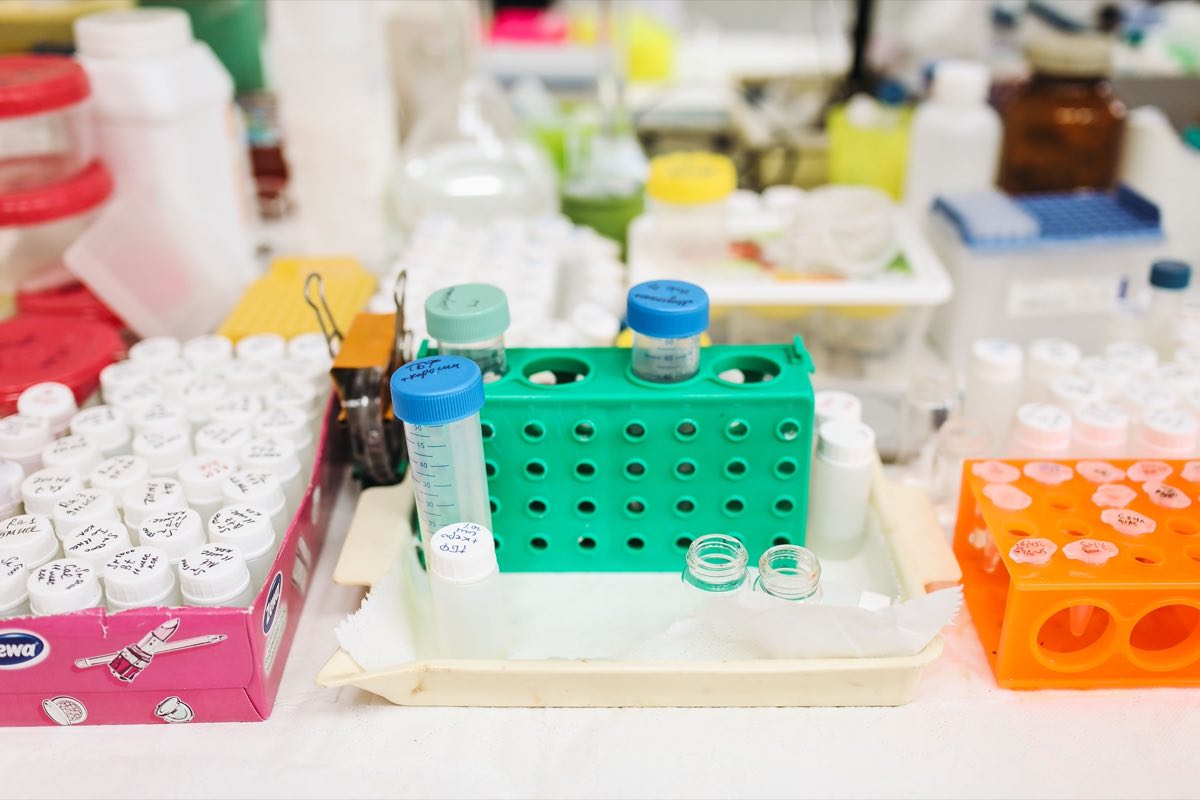
The assay that proves biological activity takes years to develop, qualify, and validate — and no amount of money compresses it at the end.
Analytics Are Not a Support Function. They Are the Filing.
A biologic is only as well understood as the methods that measure it. Every comparability argument, every specification, every stability claim, and every batch release rests on assays — and assays have development timelines, qualification requirements, and validation obligations of their own. The programs that file smoothly built their analytical package as a first-class workstream from Phase 1.
This is doubly true for cell and gene therapies, where the product may be a living cell population, potency is genuinely hard to define, and the manufacturing run is measured in patients rather than batches. Same statute, same license — a much harder analytical problem.
Six Failure Modes We Are Brought In to Prevent.
Every one of them is a CMC decision that looked like an engineering decision at the time.
The late process change
A scale-up or site move made after the pivotal trial — and a comparability package that cannot rule out a clinical bridge.
Potency assay started at Phase 3
The one timeline that will not compress. Programs discover it when the validation lot schedule collides with the filing date.
Specifications set on three lots
Acceptance criteria drawn from too little manufacturing history — then breached routinely at commercial scale, in front of an inspector.
A facility that describes well and inspects badly
The pre-license inspection reads the plant, not the module. Data integrity and environmental monitoring are where licenses actually slip.
Immunogenicity as an afterthought
Anti-drug antibody assays developed after the pivotal study — leaving the safety question unanswerable with the samples you have.
Comparability argued, not agreed
Protocols written after the change, presented as a fait accompli — instead of agreed with the agency while the design still had options.
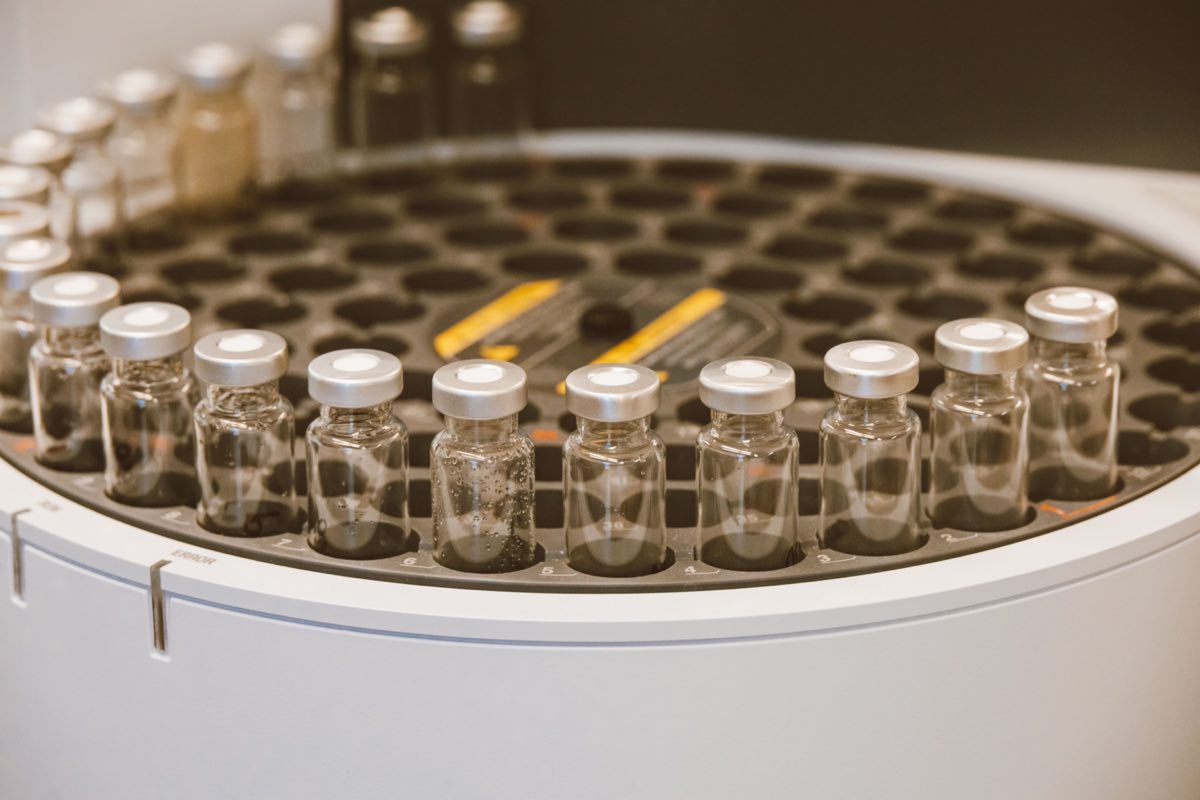
Biologics Leadership Where the Program Actually Lives.
Our biologics leads have built control strategies, negotiated comparability, and prepared plants for pre-license inspection.

“You cannot fix a biologic in the dossier. Whatever the process made, the file can only describe — which is why the process decisions are the regulatory decisions.”
The discipline we bring to licensure programs.
From the newsroom
The record moves. Follow it.
Regulatory News is our independent newsroom — every story sourced to the primary record, published the day it lands. These are the beats that touch this page. RegulatoryNews.com →
Licensing a Biologic? Decide the Process Changes Before They Decide Your Timeline.
Bring senior CMC-regulatory leadership in while comparability is still a protocol instead of a defense.
Senior-led. Embedded in your team. No junior hand-offs.