Before the Device Can Prove Anything, the Study Must Be Legal.
IDE strategy under 21 CFR 812 — the authorization that lets an unapproved device generate clinical evidence without the enterprise itself becoming the violation.
Free proposal · three minutes
Get your free IDE proposal
No sales call. No account. No obligation.
Start my free proposalSignificant Risk or Not — One Call Decides Who Approves Your Study.
The SR/NSR determination under 21 CFR 812 sets the entire compliance architecture of the investigation. It is made per study, not per device — and FDA can overrule it.
 Significant risk
Full IDE — FDA and IRB Both Say Yes
Implants, life-supporting devices, and anything presenting serious risk to health. The study cannot begin until FDA approves the IDE application and an IRB approves the protocol.
- IDE application to FDA — investigational plan, prior investigations report, manufacturing description
- 30 days — FDA’s window to approve, approve with conditions, or disapprove
- Full 812 duties — monitoring, records, reports, informed consent under Part 50
 Nonsignificant risk
Abbreviated IDE — the IRB Is the Gate
Lower-risk investigations proceed under the abbreviated requirements: no FDA application, with the IRB’s SR/NSR concurrence standing in as the approval.
- IRB approval — and the IRB’s agreement that the study is genuinely NSR
- Abbreviated duties — labeling, monitoring, records, consent still apply
- No FDA submission — but FDA can reclassify the study SR at any time
The trap is optimism. An investigation run NSR that FDA later calls SR is an unauthorized significant-risk study — with every enrolled patient as evidence. When the call is close, we take it to the agency through a Study Risk Determination Q-Sub and get it in writing — see how the sponsor, IRB, and FDA determinations interact under 812.3(m) and 812.66.
The IDE Is Where Your Pivotal Evidence Is Designed.
For a device headed to PMA or De Novo, the IDE isn’t an administrative gate — it is the moment the pivotal study design gets fixed. Endpoints, sample size, comparator, follow-up: everything the marketing application will stand on is decided here, and FDA’s IDE review is your best early read on whether that evidence will hold.
Run well, the sequence is deliberate: a Pre-Sub to align the study design, the IDE to authorize it, staged enrollment where FDA conditions it, and site discipline that survives a BIMO audit years later. Run poorly, each of those becomes a surprise with a calendar cost.
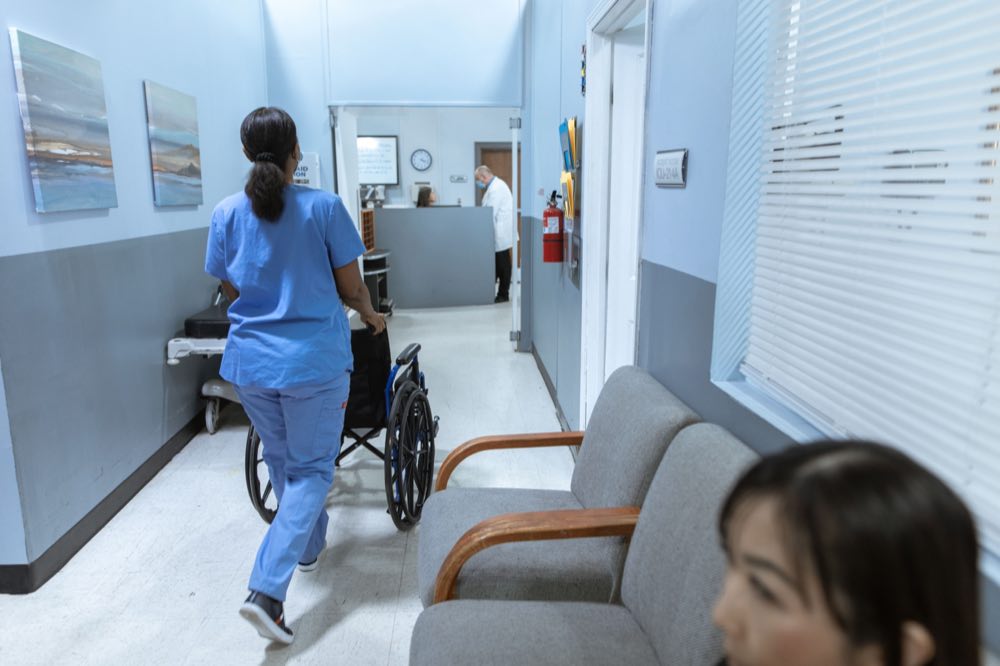
FDA judges the science; the IRB judges the protection of subjects. A pivotal program needs both to say yes — on the same protocol.
Six Disciplines That Carry a Device Study.
From the risk determination to the records an auditor reads five years later.
Risk Determination Strategy
The SR/NSR analysis documented against FDA’s guidance — and taken to the agency for a written determination when the answer is arguable.
Study Design Alignment
Endpoints, comparators, and statistical plans pressure-tested with the review division before the IDE files — the cheapest protocol amendment is the one you never need.
IDE Application Build
Investigational plan, report of prior investigations, manufacturing section — assembled to answer the 30-day review’s questions in the first pass.
Consent & IRB Architecture
Informed consent under Part 50, IRB submissions, and the sponsor-investigator agreements that keep responsibilities from falling between chairs.
Sponsor Duties & Monitoring
Monitoring plans, deviation handling, device accountability, and the adverse-event reporting clocks that run during the study.
Audit-Proof Site Discipline
Records built for the bioresearch monitoring inspection that arrives with your marketing application — when the study is long over and the sites have moved on.
Three Facts Every IDE Program Plans Around.
Each one is a design constraint, not trivia.
FDA’s IDE decision window. Silence is not consent — the study may begin only when the approval letter or the conditions say so.
SR/NSR attaches to the investigation, not the device — the same product can be NSR in one protocol and SR in the next.
The promotion prohibition: an investigational device cannot be commercialized, priced for profit, or promoted while the exemption runs.
Six Failure Modes We Are Brought In to Prevent.
All of them are visible from the protocol stage — if someone is looking.

NSR by wishful thinking
A risk determination made by the budget instead of the guidance — reclassified by FDA with patients already enrolled.
A pivotal protocol FDA never saw
Skipping the Pre-Sub to save a quarter — then losing three to an IDE approved with conditions that rewrite the study.
Consent that doesn’t match the risk
Informed-consent documents lagging protocol amendments — the finding BIMO cites most readily, per site, per subject.
The sponsor-investigator blur
Physician-initiated studies where nobody holds the sponsor’s duties — monitoring, reporting, records — until an inspection assigns them retroactively.
Investigational devices, promoted
Conference booths and pricing conversations that violate 812.7 while the study runs — a compliance problem that shadows the eventual approval.
Data the application can’t use
Deviations, unblinded assessments, and missing device accountability — discovered when the PMA statisticians try to lock the database.
Clinical-Regulatory Leadership for Device Evidence.
Our leads have written IDEs, negotiated study designs with FDA, and kept multi-site investigations inspection-ready.
“The IDE is the only FDA review you get before the money is spent. Treat it as the rehearsal for the marketing application — because that is exactly what it is.”
The discipline we bring to device clinical programs.
From the newsroom
The record moves. Follow it.
Regulatory News is our independent newsroom — every story sourced to the primary record, published the day it lands. These are the beats that touch this page. RegulatoryNews.com →
Planning a Device Study? Settle SR/NSR and the Design Before the First Site Opens.
A senior clinical-regulatory lead can pressure-test the risk determination and the protocol while both are still on paper.
Senior-led. Embedded in your team. No junior hand-offs.