One General Standard, and the Family It Pulls in Behind It.
IEC 60601 strategy for medical electrical equipment — basic safety and essential performance, plus the collateral and particular standards your device type drags along, planned before the test lab, not discovered in it.

Free proposal · three minutes
Get your free IEC 60601 proposal
No sales call. No account. No obligation.
Which markets matter in the next 18 months?
60601 Is Not One Standard. It’s a Family Your Device Type Assembles.
The general standard sets the base. Collateral standards add cross-cutting concerns; particular standards add device-specific ones. Which apply to your device is the first thing to establish — and the thing most often established too late.
The General Standard
Basic safety and essential performance for all medical electrical equipment — electrical, mechanical, thermal, and radiation hazards, and the essential performance a failure must not compromise.
Cross-Cutting Concerns
Standards that apply across device types: electromagnetic compatibility, usability, alarm systems, and the home-healthcare environment. Several usually apply at once.
Device-Specific Requirements
Standards written for a specific device type — infusion pumps, patient monitors, imaging systems, and dozens more — that modify or add to the general requirements for that class.
The scope is the strategy. Testing to the general standard and discovering a particular standard mid-program means retesting — which is why the applicable-standards analysis, not the test itself, is where 60601 programs are won.
The Expensive 60601 Mistake Is Booking the Lab Before Scoping the Standards.
A 60601 program is a long testing campaign — and testing to the wrong set of standards, or the wrong edition, means running it again. The applicable-standards analysis (which collaterals, which particulars, which edition and national deviations apply to your markets) is the cheap decision that governs the expensive one.
It also drives design. Essential performance has to be defined before you can prove a failure doesn’t compromise it; EMC and creepage-and-clearance decisions are far cheaper on the schematic than on the built unit. 60601 is a design input, not a final exam — and treating it as the latter is what turns one test campaign into three.
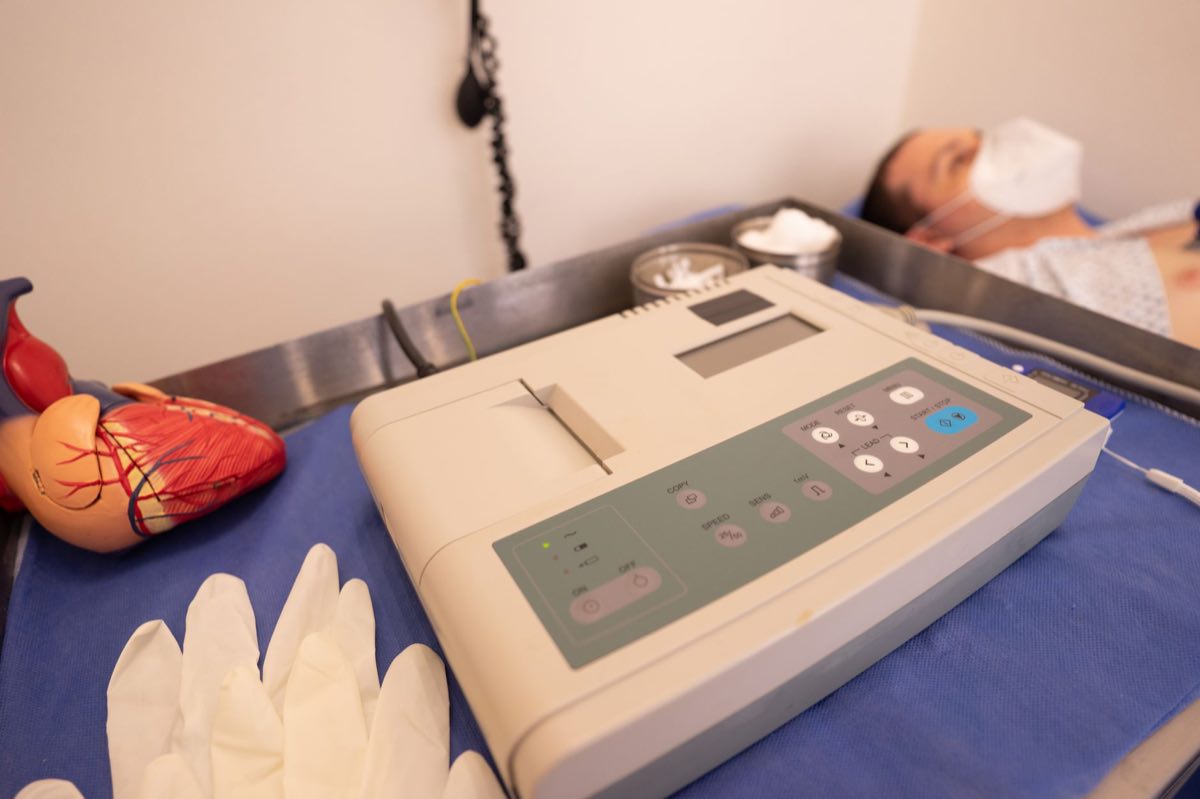
Essential performance, EMC, and clearances are cheapest on the schematic — not on the built unit at the test house.
Six Disciplines That Carry a 60601 Program.
From the applicable-standards analysis to the test-house relationship that gets you through on the first pass.
Applicable-Standards Analysis
The full set — general, collateral, and particular, with editions and national deviations for your markets — established before any testing is booked.
Essential Performance Definition
Essential performance defined from the risk analysis — the clinical functions a failure must not compromise, which the whole test plan then has to prove.
Risk-Based Design Inputs
60601 requirements pulled forward into design: creepage and clearance, means of protection, thermal and mechanical margins — decided on paper, not at the lab.
EMC & Environment Strategy
The -1-2 EMC campaign and the -1-11 home-use requirements planned for the environments your device will actually run in — the collaterals that surprise most teams.
Particular-Standard Compliance
The device-specific -2-y requirements identified and designed to — because a particular standard found late is a redesign, not a retest.
Test Planning & Lab Management
A test plan and a test-house relationship built to pass on the first submission — sample readiness, documentation, and the pre-test review that prevents surprises.

Regions adopt editions and deviations differently — the analysis has to be per-market, not per-device.
The Same Device, a Different Edition, a Different Result.
60601 evolves in editions, and markets adopt them on different timelines with their own national deviations. A device compliant to one edition in one region may not clear another — and the amendment that added a requirement you didn’t test to is exactly the finding a reviewer cites.
We map your target markets to the editions and deviations that apply, and connect the 60601 campaign to usability and risk management, so one coherent evidence set serves the electrical, usability, and risk requirements together instead of colliding.
Six Failure Modes We Are Brought In to Prevent.
Every one of them adds a test campaign that scoping would have prevented.
The missed particular standard
A device-specific -2-y standard discovered after general-standard testing — and a redesign-and-retest that costs the launch quarter.
Testing to a superseded edition
A campaign run to an old edition or without national deviations — and a market that won’t accept it.
Essential performance left vague
No clear definition of essential performance — so the test plan can’t prove a failure doesn’t compromise it, and the file has a hole.
EMC as an afterthought
The -1-2 campaign discovered late, on a design that can’t pass without changes — the collateral that reliably surprises hardware teams.
Clearances found at the lab
Creepage and clearance failures on the built unit — a schematic decision paid for as a rebuild.
60601 treated as a final exam
The standard consulted at the end instead of designed to — and a first test campaign that becomes the first of several.
60601 Strategy That Starts on the Schematic.
Our leads have scoped standards families, defined essential performance, and managed test campaigns to first-pass results.
“60601 is won in the applicable-standards analysis, not the test lab. Get the family right and the design inputs early, and the campaign is a confirmation — not a discovery.”
The discipline we bring to medical electrical safety.
From the newsroom
The record moves. Follow it.
Regulatory News is our independent newsroom — every story sourced to the primary record, published the day it lands. These are the beats that touch this page. RegulatoryNews.com →
- Devices510(k)s, De Novos, PMAs and EU MDR.
- Other regulatorsTGA, PMDA, Health Canada, NMPA and the rest.
- FDAApprovals, clearances, letters and guidance.
- GuidanceDraft and final guidance, as it lands.
- Key datesDeadlines and comment periods, in one calendar.
- Full archiveEvery story we have published, searchable.
Building Medical Electrical Equipment? Scope the Standards Before You Book the Lab.
A senior lead can establish your full 60601 family, define essential performance, and pull the requirements onto the schematic — before a missed standard becomes a second test campaign.
Senior-led. Embedded in your team. No junior hand-offs.