Good Clinical Practice for Devices — the Standard Your Trial Is Judged Against.
ISO 14155 strategy for clinical investigations of medical devices — the GCP framework your IDE study and your EU MDR clinical investigation both answer to, built into the trial from protocol to final report.


Free proposal · three minutes
Get your free ISO 14155 proposal
No sales call. No account. No obligation.
Start my free proposalGCP Is a Division of Responsibility. Blur the Lines and the Audit Finds It.
ISO 14155 assigns specific duties to the sponsor, the investigator, and the ethics committee. Every one of them is inspectable — and the study that fails an audit usually failed at a handoff between them.
The Sponsor
- Designs the investigation and owns the protocol
- Selects sites and qualifies investigators
- Monitors the study and manages the data
- Reports adverse events and device deficiencies
The Investigator
- Conducts the study per protocol and GCP
- Obtains and documents informed consent
- Protects subject safety and welfare
- Records and reports data accurately
The Ethics Committee
- Reviews and approves the protocol and consent
- Safeguards the rights and safety of subjects
- Reviews ongoing safety information
- Independent of the sponsor and investigator
One principle sits above all three: subject protection.
Every duty in ISO 14155 traces back to the safety, rights, and well-being of the subjects. A study that treats GCP as documentation misses that the documentation exists to prove people were protected — which is exactly what an inspector is checking.
Your IDE Study and Your MDR Investigation Answer to the Same GCP.
ISO 14155 is the common language of device clinical trials. An FDA IDE study and an EU MDR clinical investigation are both judged against it — which means a trial designed to ISO 14155 from the start can serve both jurisdictions, while a trial built to one regulator’s letter often has to be patched for the other.
The standard is also woven into MDR by reference: MDR’s clinical investigation requirements lean on ISO 14155 for how the study is designed, conducted, recorded, and reported. Build the trial to the standard and you build it to the regulation — and to the inspection that eventually reads both.
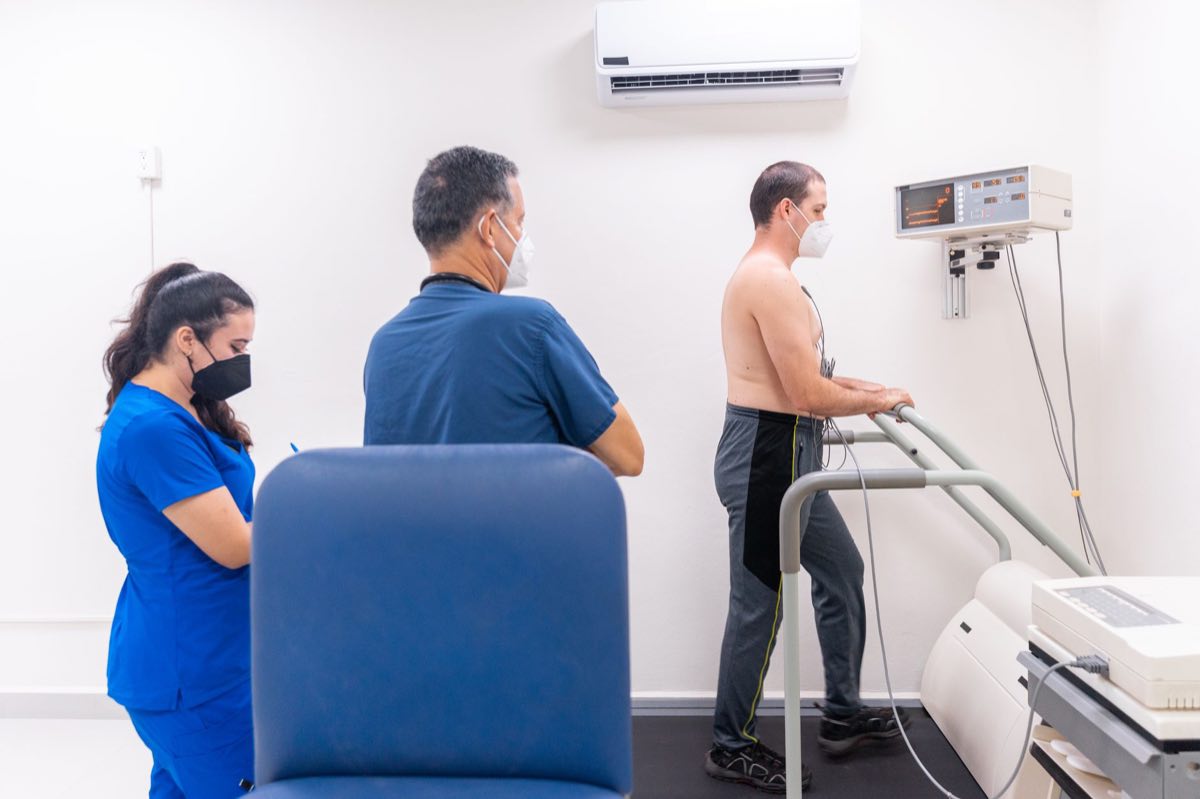
A study built to ISO 14155 can serve an FDA IDE and an EU MDR investigation at once — if it's designed that way from the start.
Six Disciplines That Carry a Device Trial.
From the protocol to the records an auditor reads years after the last subject.
Protocol & CIP Design
A clinical investigation plan built to ISO 14155 and aligned to both FDA and MDR expectations — endpoints, design, and statistics that serve the eventual submission.
Consent & Ethics Approval
Informed consent and ethics-committee submissions that hold up — the documents an inspection reads first, per site, per subject.
GCP Conduct & Monitoring
Monitoring plans, source-data verification, and the sponsor oversight that keeps sites compliant while the study runs, not after.
Safety & Deficiency Reporting
Adverse-event and device-deficiency reporting on the required clocks — the safety loop regulators watch most closely.
Sponsor / Site Responsibilities
The division of duties made explicit and documented — so nothing falls into the gap between the sponsor and the investigator.
Inspection-Ready Records
The trial master file and site records built for the inspection that arrives with the marketing application — when the study is long closed.

The inspection arrives with the submission, years later — the records have to answer for a trial no longer running.
Trials Don’t Fail Audits on the Science. They Fail on the Handoffs.
A well-designed study still fails an inspection when responsibilities blur: consent documents that lag protocol amendments, monitoring that missed a site, a sponsor-investigator boundary nobody wrote down. ISO 14155 is precise about who owns what precisely because the gaps between roles are where subject protection — and the data — break down.
We make the responsibility matrix explicit and keep the clinical quality system running throughout, so the study that reaches its marketing application is one whose records survive the BIMO or MDR inspection that reads them.
Six Failure Modes We Are Brought In to Prevent.
All of them are visible from the protocol stage — if someone is holding the GCP line.
Consent that trails the protocol
Informed-consent documents that lag protocol amendments — the single most-cited GCP finding, per site, per subject.
The sponsor-investigator blur
A study where nobody clearly holds the sponsor duties — monitoring, reporting, records — until an inspection assigns them retroactively.
Monitoring that missed a site
A monitoring plan not actually executed at the weakest site — and data an inspector can’t trust because no one verified it.
Safety reporting off the clock
Adverse events and device deficiencies reported late — the safety obligation regulators treat as non-negotiable.
A file built for one regulator
A trial designed to FDA’s letter that MDR won’t accept, or the reverse — patched late instead of built to the standard both share.
Records that can’t survive the audit
A trial master file assembled loosely — discovered when the marketing application draws the inspection and the study has long closed.
GCP Leadership for Device Evidence That Holds.
Our clinical leads have designed ISO 14155 studies, managed sites, and kept trials inspection-ready across FDA and MDR.
“ISO 14155 is a promise that the subjects were protected and the data is real. Every duty in it exists to make that promise auditable — which is exactly what the inspection tests.”
The discipline we bring to device clinical research.
From the newsroom
The record moves. Follow it.
Regulatory News is our independent newsroom — every story sourced to the primary record, published the day it lands. These are the beats that touch this page. RegulatoryNews.com →
- Other regulatorsTGA, PMDA, Health Canada, NMPA and the rest.
- ClinicalTrials, INDs, holds and study design.
- FDAApprovals, clearances, letters and guidance.
- GuidanceDraft and final guidance, as it lands.
- Regulator registerThe 36 authorities the newsroom tracks.
- Full archiveEvery story we have published, searchable.
Planning a Device Trial? Build It to the GCP Both Regulators Will Read.
A senior clinical-regulatory lead can design the study to ISO 14155 from the protocol up — so one trial serves FDA and MDR, and survives the inspection that reads it years later.
Senior-led. Embedded in your team. No junior hand-offs.