FDA Device Listing
If you ship it, you list it, and the list has to tell the truth.
Device listing under 21 CFR 807 — the record of everything you have in commercial distribution, kept in agreement with what you actually ship and what your clearance actually covers.


Free proposal · three minutes
Get your free FDA device listing proposal
No sales call. No account. No obligation.
Start my free proposalThree Records Must Agree. Listing Is Where They’re Checked.
Your device listing is not a standalone form — it is the join between what you told FDA you would sell, what you actually ship, and the marketing authorization that permits it. When those three drift apart, the listing is where an investigator notices.
What You Cleared
The 510(k), De Novo, PMA, or exemption that authorizes the device — the premarket number your listing points back to.
What You Listed
The device listing itself: product code, proprietary name, the establishments that handle it, and the premarket submission it belongs to.
What You Ship
The product actually in commercial distribution — every model, configuration, and label the listing is supposed to account for.
Two equals signs, one obligation. Keeping listing in agreement with clearance and with shipment is a reconciliation you run continuously — not a form you file once and forget.
The Listing Is a Statement of What You Sell Today.
Every device in commercial distribution has to be listed, under the right product code, tied to the establishments that make or handle it and to its premarket submission. That sounds mechanical — and it is, until the catalog moves. New models ship, old ones are discontinued, private-label versions appear, a configuration changes. Each of those is a listing event, and the record is only useful if it keeps up.
Because it lives beside establishment registration in the same FURLS system and is renewed on the same annual clock, listing is easy to treat as a once-a-year chore. Treated that way, it drifts — and the gap between the list and the loading dock becomes the finding.
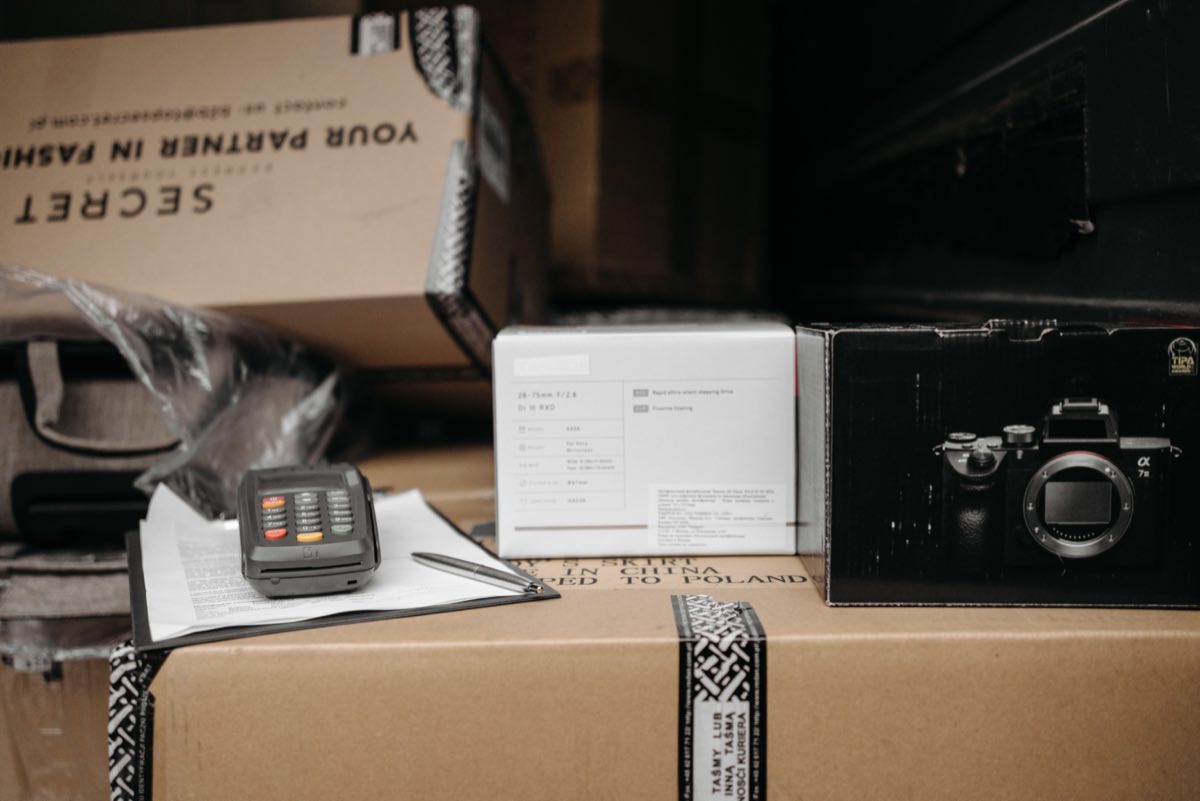
Every new model, private-label variant, and discontinued line is a listing event — the record has to move with the catalog.
The Fields That Make a Listing Right — or Wrong.
Most listing errors are a single field that stopped matching reality. These are the ones that matter.
The three-letter FDA product code that classifies the device. The wrong code mis-files the device against the wrong regulation, the wrong controls, and the wrong expectations.
The 510(k), De Novo, or PMA number the listing is tied to — the link that lets FDA confirm the device you ship is the device you were cleared to ship.
The brand and model names in distribution, including private-label versions sold under another company’s name — each one accounted for, not just the flagship.
The registered manufacturers, sterilizers, repackagers, and importers that touch the device — listing and registration cross-referencing each other.
Whether the device is in distribution, discontinued, or exempt — the field that quietly goes stale when a product is retired but never delisted.
Six Disciplines That Keep a Listing Honest.
Listing is a reconciliation, and reconciliations need an owner. We are that owner, or we build the one you keep.
Product-Code Determination
The right classification code for each device — confirmed against the regulation, not copied from a competitor’s listing, because the code carries the obligations.
Listing-to-Clearance Reconciliation
Every listing tied to a real premarket authorization, and every authorization reflected in a listing — the two-way match FDA can run in seconds.
Catalog Mapping
Your full commercial catalog — models, configurations, private-label variants — mapped to listings, so nothing ships unlisted and nothing lists unshipped.
Listing Maintenance
New products listed as they launch and retired ones delisted as they end — the ongoing upkeep that keeps the record matching the loading dock.
Change-Driven Updates
Listing updates triggered by the events that should trigger them — a new model, a label change, a discontinued line — wired into your change control.
Pre-Inspection Reconciliation
The full list-ship-clear reconciliation run before an inspection or a due-diligence review — so the answer is already known when the question comes.
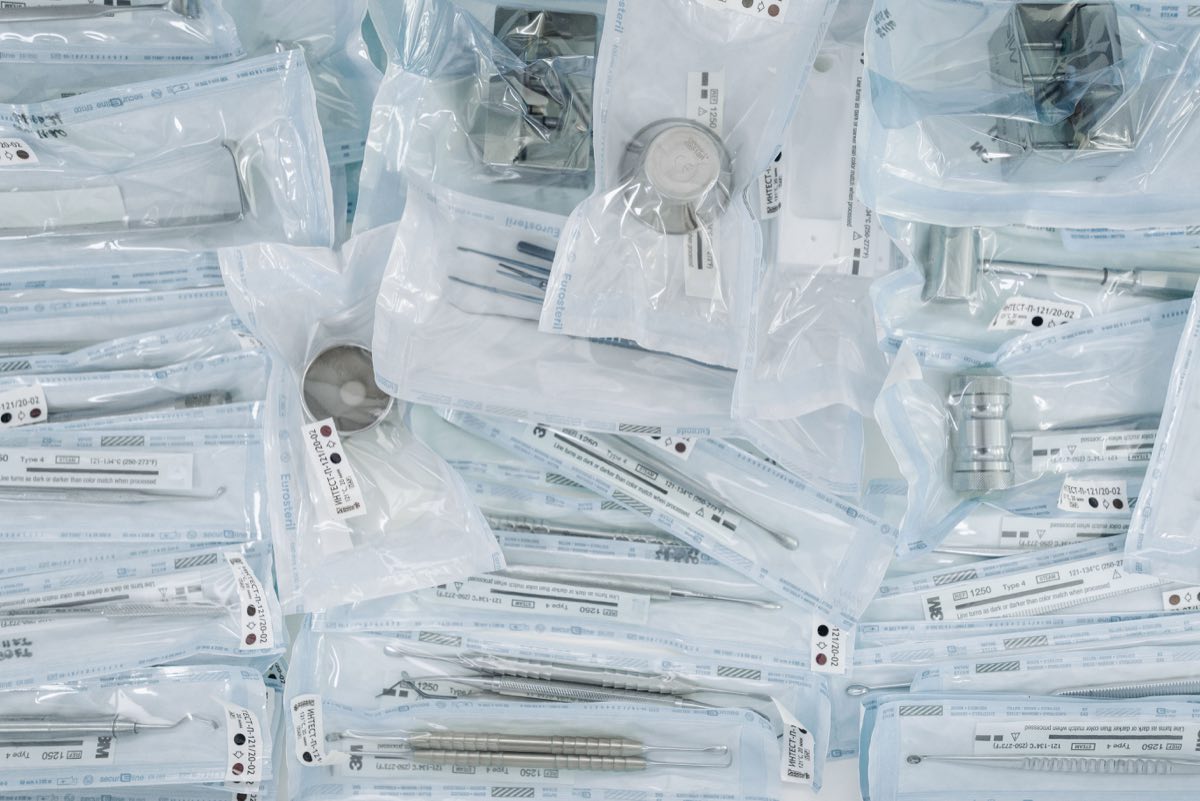
The same device sold under three brands is three listing responsibilities — and the one nobody owns is the one that lapses.
The Failure Is Almost Always a Catalog That Outran the Record.
Companies rarely get an initial listing wrong. They get the hundredth change wrong — the discontinued model still listed as active, the private-label deal that added a proprietary name nobody filed, the new configuration that shipped a quarter before anyone updated FURLS. None of these is dramatic. Together they are the pattern an investigator reads as a listing process that isn’t running.
We fix that by wiring listing into regulatory operations and change control, so a catalog change and a listing update are the same event — and by tying the record forward to UDI and GUDID, which mirror much of the same data and fail the same way when the catalog drifts.
Six Failure Modes We Are Brought In to Prevent.
Each one is a field that stopped telling the truth — and none of them announces itself.

The zombie listing
A discontinued device still listed as in distribution — the record claiming you sell something you stopped making, unnoticed for years.
The unlisted new model
A product that launched a quarter before anyone updated FURLS — shipping, lawfully cleared, and invisible on the record.
The private-label blind spot
The same device sold under another brand, its proprietary name never listed — because everyone assumed the other company handled it.
The wrong product code
A device filed under a code that carries different controls — a classification error that propagates into every downstream expectation.
Listing untied to clearance
A listing that points at no premarket submission, or the wrong one — the link FDA uses to confirm you ship what you were cleared to ship.
The once-a-year mindset
Listing touched only at annual renewal, so eleven months of catalog changes land at once — and the reconciliation is archaeology, not maintenance.
Listing Reconciliation as an Operating Discipline.
Our operations leads have reconciled listings to catalogs and clearances across broad portfolios and private-label networks.
“A device listing is a promise about what you ship. The job is making sure the promise stays true after the hundredth catalog change, not just the first.”
The discipline we bring to distribution records.
From the newsroom
The record moves. Follow it.
Regulatory News is our independent newsroom — every story sourced to the primary record, published the day it lands. These are the beats that touch this page. RegulatoryNews.com →
- Devices510(k)s, De Novos, PMAs and EU MDR.
- FDAApprovals, clearances, letters and guidance.
- GuidanceDraft and final guidance, as it lands.
- DrugsPharmaceutical approvals, labels and pathways.
- Regulator registerThe 36 authorities the newsroom tracks.
- Full archiveEvery story we have published, searchable.
When Did You Last Compare the List to the Loading Dock?
A senior operations lead can reconcile your listings against your catalog and clearances — and hand you the gaps before an investigator finds them.
Senior-led. Embedded in your team. No junior hand-offs.